
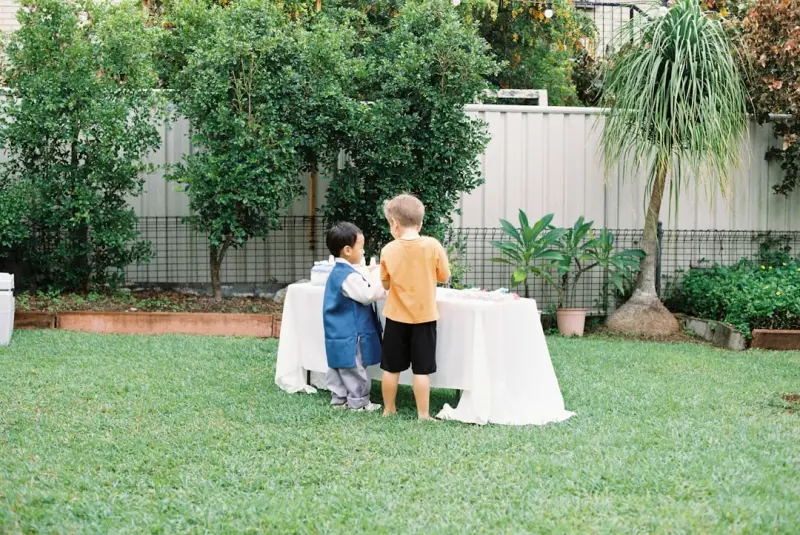
From Backyard to Classroom: Turning Your Garden into a Hands‑On Learning Lab
When I was a kid in Mumbai, the courtyard was my laboratory. We grew mango seedlings in recycled pots, measured rainwater with a broken plastic bottle, and debated whether coriander would out‑grow basil. Those muddy afternoons didn’t just teach me how to tend a plant—they taught me patience, observation, and the joy of discovery. Fast‑forward to today, living in a suburban home with a modest backyard, I’ve taken those childhood lessons and amplified them into a purposeful, family‑wide learning experience.
In a world where screens dominate attention spans, the garden can become a living classroom—a place where science, art, nutrition, and even entrepreneurship intersect. Below, I’ll walk you through a step‑by‑step blueprint to transform any outdoor space—no matter how small—into an engaging, curriculum‑friendly environment that fuels curiosity for kids and adults alike.
Why a Garden Classroom Works (And Why It’s More Than Just “Fun”)
Research consistently shows that hands‑on, experiential learning improves retention by up to 75 % compared to passive instruction. When children (or grown‑ups) dig their hands into soil, they’re not just planting seeds; they’re embedding concepts in a tangible context. Here are a few cross‑disciplinary benefits:
- Science & Math: Measuring growth rates, calculating water usage, and tracking temperature fluctuations turn abstract numbers into real‑world data.
- Nutrition & Health: Watching a carrot mature from a seed to a crunchy snack bridges the gap between farm and fork, reinforcing healthy eating habits.
- Environmental Stewardship: Understanding compost cycles, pollinator relationships, and water conservation nurtures a sense of responsibility toward the planet.
- Creativity & Storytelling: Designing garden layouts, naming plant varieties, and documenting growth journals ignite imagination and narrative skills.
And the best part? All of these lessons happen right in your own backyard, without the need for expensive lab equipment or field trips.
Step 1: Map Your Space and Define Learning Objectives
Before you break ground, take a moment to survey the area. Sketch a simple floor plan—use graph paper or a free online tool. Identify zones that receive full sun, partial shade, and full shade. Note any existing features: a raised bed, a patio, or a sloped hill. This visual inventory helps you allocate spaces for different subjects.
Next, decide on learning goals. Ask yourself:
- Do I want to teach basic botany or dive into soil chemistry?
- Should the garden support a weekly cooking class?
- Is there interest in exploring renewable energy (e.g., solar‑powered irrigation)?
Write these objectives down—think of them as a syllabus. For instance:
Week 1‑2: Plant life cycles & germination
Week 3‑4: Water budgeting & rainwater harvesting
Week 5‑6: Nutrient cycles & composting basics
Week 7‑8: From garden to plate – cooking with fresh herbs
Step 2: Choose Multi‑Purpose Plants
When selecting flora, look for varieties that serve at least two educational purposes. Here are some top picks:
- Sunflower (Helianthus annuus): Excellent for teaching geometry (angles, height measurement) and pollinator attraction.
- Cherry tomatoes: Fast growth offers quick feedback loops for tracking fruiting stages.
- Herbs like mint, rosemary, and thyme: Not only are they culinary staples, they also provide a fragrant backdrop for lessons on essential oils. For deeper insight on leveraging herbs beyond cooking, check out Botanical Boost: Turning Everyday Herbs into High‑Performance Personal Care Rituals.
- Legumes (e.g., beans, peas): Perfect for discussing nitrogen fixation and soil health.
Pair these with companion plants—like marigolds to deter pests—to illustrate symbiotic relationships.
Step 3: Integrate Data Collection Stations
Transform your garden into a data‑rich environment by installing simple measurement tools:
- Rain Gauge: Capture daily rainfall and calculate water contribution to plant growth.
- Thermometer & Soil Moisture Sensor: Record temperature and moisture levels. You can sync these with a free spreadsheet for trend analysis.
- Growth Ruler Stakes: Mark each plant with a stake that has measurement increments—students can log height weekly.
To make the data more relatable, tie it back to daily routines. For example, discuss how the timing of meals aligns with plant harvests. A great read on syncing nourishment with natural rhythms is Chrononutrition: Syncing Your Meals with Your Body Clock for Peak Performance. Use this as a springboard to explore how the garden’s calendar can guide family meals.
Step 4: Build a Mini‑Compost Hub
Composting is a hands‑on lesson in decomposition, carbon cycles, and waste reduction. Set up a small bin using a repurposed trash can with aeration holes. Teach kids to differentiate between “greens” (kitchen scraps) and “browns” (dry leaves). Over time, they’ll see the transformation from waste to fertile soil—a powerful visual of circular economics.
Encourage them to keep a “compost journal,” noting what ingredients were added, moisture levels, and the time taken to produce usable humus. This practice hones scientific observation and writing skills.
Step 5: Incorporate Art and Storytelling
Learning isn’t only about facts; it’s also about expression. Designate a corner of the garden for a storyboard wall—a weather‑proof board where families can illustrate the garden’s journey through drawings, poems, or short narratives. Invite each member to adopt a “plant mascot” and write its adventure from seed to harvest.
These creative tasks reinforce literacy while deepening emotional connections to the living environment. You’ll be surprised at how a simple sketch of a sprouting bean can spark conversations about perseverance and growth.
Step 6: Host “Garden Labs” and Community Swaps
Turn the backyard into a periodic lab space. Every Saturday, schedule a 60‑minute session focused on a specific experiment:
- pH Test Lab: Use inexpensive testing kits to compare soil pH across different zones.
- Water Conservation Challenge: Measure how many liters are saved by mulching versus bare soil.
- Flavor Profile Tasting: Harvest herbs at various growth stages and record taste differences.
Invite neighbors or friends for a “seed swap.” This not only diversifies plant genetics but also teaches negotiation, networking, and the value of shared resources. Document the swap on a communal bulletin board—another chance to practice writing and data logging.
Step 7: Link Garden Activities to Real‑World Careers
For older children, tie the garden projects to potential career pathways. Discuss roles such as agronomist, horticultural therapist, urban planner, or food scientist. Bring in guest speakers via video call—perhaps a local farmer or a sustainability consultant—to discuss how the skills they’re practicing translate into professional environments.
This approach demystifies career options and shows that the garden isn’t just a hobby—it’s a launchpad for future opportunities.
Step 8: Reflect and Iterate
At the end of each month, gather the family for a reflection circle. Review the data logs, journals, and artwork. Ask:
- What surprised us?
- Which experiments succeeded or failed, and why?
- How can we adjust the layout or plant selection for better outcomes?
Reflection turns experience into insight—a core component of lifelong learning.
Bonus: Sustainable Design Tips for a Low‑Impact Garden
While the primary goal is education, consider weaving sustainability into the design:
- Rainwater Harvesting: Install a simple barrel at the downspout to capture runoff for irrigation.
- Recycled Materials: Build raised beds from reclaimed wood or old pallets. Not only does this reduce waste, but it also provides a talking point about upcycling.
- Native Plant Mix: Incorporate species adapted to your climate. They require less water and maintenance, reinforcing lessons on ecological adaptation.
- Pollinator Support: Even if you’re not focusing solely on a pollinator‑friendly garden (see How to Create a Pollinator‑Friendly Garden That Thrives All Season), adding nectar‑rich flowers supports biodiversity and offers real‑world observation opportunities.
Putting It All Together: A Sample 8‑Week Curriculum
| Week | Theme | Key Activities |
|---|---|---|
| 1‑2 | Seed Germination & Life Cycles | Plant beans in clear containers, track sprouting times, create growth charts. |
| 3‑4 | Water Management | Install rain gauge, calculate water needed per plant, compare mulched vs. bare soil. |
| 5‑6 | Soil Health & Composting | Start compost bin, test pH, observe worm activity. |
| 7‑8 | From Garden to Kitchen | Harvest herbs, conduct flavor tasting, prepare a simple salad, discuss nutrition. |
Feel free to adjust the timeline to fit your family’s schedule. The goal isn’t rigidity—it’s to maintain momentum and curiosity.
Final Thoughts: Growing Minds Alongside Greens
Turning your backyard into a hands‑on learning lab isn’t about creating a perfect, textbook‑ready environment. It’s about embracing imperfection, asking questions, and letting the soil teach you the same lessons it imparts to your seedlings—patience, resilience, and the reward of watching something grow.
If you’re ready to start, gather a few seeds, a notebook, and a sense of wonder. Your garden will soon become the most vibrant classroom in the house, one that welcomes the buzzing of bees, the whisper of leaves, and the delighted “aha!” moments that only real‑world discovery can spark.

Sanji Patel has dedicated 25 years to the SEO industry. As an expert SEO consultant for news publishers, he emphasizes providing both technical and editorial SEO services to news publishers worldwide. He frequently speaks at conferences and events globally and offers annual guest lectures at local universities.
Related Posts
Upcycled Garden Chic: Turning Everyday Trash into Outdoor Treasures
Turn everyday waste into garden wow‑factor with creative upcycling projects, sustainable tips, and... Read More

Turn Your Home Into a Personal Wellness Retreat
Learn step‑by‑step how to craft a personal wellness sanctuary at home, using light, scent, natur... Read More
Cultivating Success: How My Green Workspace Transforms Home & Garden Living
Jimmy Damon reveals how turning a garden desk into a green workspace reshapes productivity and home ... Read More
Top Posts
Internal Networking: Turning Relationships into Career Capital
Learn a tactical playbook for building authentic internal relationships that become powerful career capital, from micro‑interactions to reverse mentorship....Read More
Ethical AI in B2B SaaS: A Playbook for Trust‑First Growth
A practical guide for SaaS leaders on building ethical AI systems—covering transparent intent, bias audits, explainability, and governance—to turn trust int...Read More
Crafting a Cozy Indoor Green Oasis for Small Spaces
Discover how to turn limited square footage into a vibrant indoor sanctuary using low‑light plants, vertical gardens, DIY hydroponics, and sustainable rainwat...Read More

Why Skills‑First Hiring Is the New Competitive Edge
A deep dive into the skills‑first hiring revolution, outlining practical steps, technology’s role, cultural benefits, and measurable outcomes for organizati...Read More
0 Comments
Post Comment
You will need to Login or Register to comment on this post!