
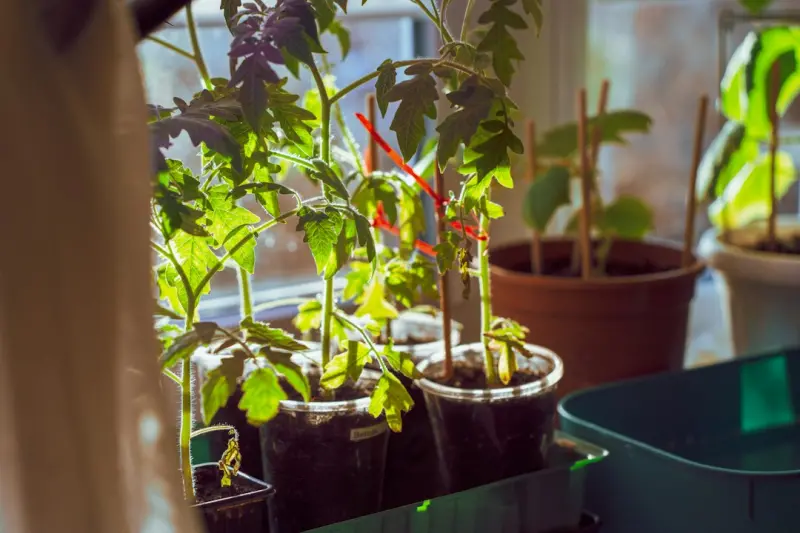
Welcome to Your Personal Green Sanctuary
When I first moved into a studio apartment in the heart of the city, the concrete walls felt relentless. I craved a breath of fresh air, a splash of colour, and a quiet corner where I could reset after a demanding day of remote consulting. That’s when I discovered the transformative power of indoor gardening. Not just a hobby, but a design philosophy that reshapes how we experience our living spaces.
Why Indoor Gardens Deserve a Spot on Your Vision Board
There’s a growing body of research linking indoor plants to reduced stress, improved focus, and better indoor air quality. But beyond the science, the aesthetic impact is undeniable. A well‑placed pot of foliage can turn a bland hallway into a gallery, a kitchen windowsill into a seasonal showcase, and a bedroom corner into a tranquil retreat.
Key benefits at a glance:
- Psychological calm: Greenery triggers the brain’s relaxation response, lowering cortisol levels.
- Air purification: Species like Sansevieria and Spider Plant naturally filter volatile organic compounds.
- Design flexibility: From hanging macramé planters to sleek ceramic pots, plants adapt to any décor style.
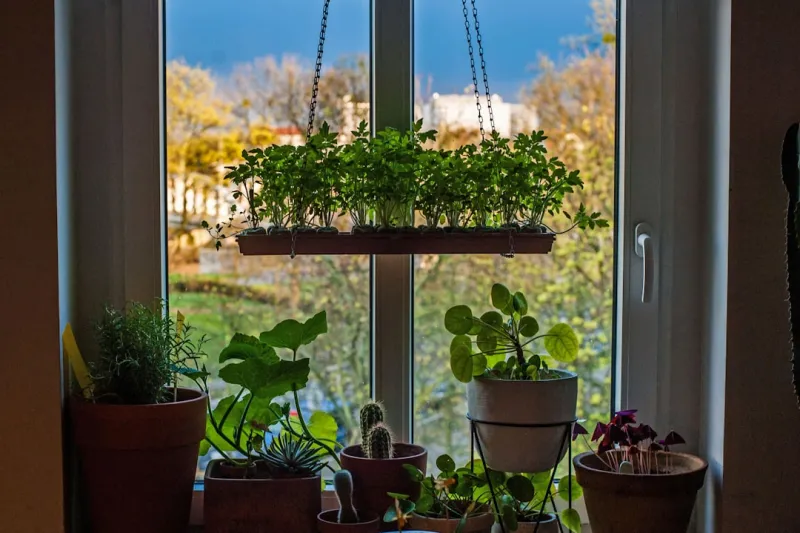
- Food production: Herbs on the windowsill give you fresh flavor without a backyard.
Getting Started: The Minimalist’s Guide to Indoor Greenery
Even if you think you lack a “green thumb,” start small. Choose low‑maintenance varieties that thrive on indirect light and occasional watering. Here’s a quick starter list:
- Pothos (Epipremnum aureum): Tolerates low light, trailing vines add visual interest.
- ZZ Plant (Zamioculcas zamiifolia): Almost indestructible, perfect for beginners.
- Snake Plant (Sansevieria trifasciata): One of the best air‑purifying plants; thrives on neglect.
- Herbs (basil, mint, thyme): Keep them on a sunny sill for culinary perks.
When selecting containers, think about both function and form. Terracotta breathes, while glazed ceramics retain moisture. If you’re limited on floor space, consider vertical solutions—wall‑mounted planters or a tiered ladder shelf.
Designing for Light: Harnessing Natural and Artificial Sources
Light is the lifeblood of any plant. Start by mapping out the light patterns in your home:
- Observe which windows receive direct sun, filtered light, or shade throughout the day.
- Group plants with similar light requirements together. This reduces the need for extra lighting fixtures.
- If natural light is scarce, supplement with full‑spectrum LED grow lights. They’re energy‑efficient and blend seamlessly into modern interiors.
Remember, the goal isn’t just survival—it’s thriving. A sunny kitchen windowsill is ideal for herbs, while a dimmer hallway can host low‑light lovers like the ZZ Plant.
Seasonal Switch‑Ups Without a Full Renovation
One of my favorite tricks is rotating plants to match the seasons, a concept I explored in refreshing your home without a full renovation. In spring, swap out deep‑green foliage for pastel blooms like African violets. Summer calls for bold tropical leaves—think Monstera or Philodendron. In autumn, introduce warm‑toned succulents, and during winter, bring out ever‑green conifers for a festive touch.
This practice not only keeps your space feeling fresh but also aligns your indoor garden with the natural rhythm outside, deepening your connection to the seasons even when you’re indoors all year.
Biophilic Design on a Budget
Biophilia—the innate human attraction to nature—doesn’t require a high‑end interior designer. Simple, intentional choices can embed natural elements throughout your home:
- Texture: Use woven baskets, rattan chairs, and wooden trays to echo organic materials.
- Colour palette: Greens, earth tones, and muted blues create a calming backdrop.
- Natural patterns: Incorporate leaf‑shaped wall art or stone coasters.
Integrating these elements alongside your indoor garden amplifies the feeling of a cohesive, nature‑infused environment.
From Balcony to Living Room: Expanding Your Green Footprint
If you have a balcony, don’t let it sit idle. Treat it as an extension of your indoor garden—a place to experiment with larger specimens, trailing vines, or even a miniature herb spiral. When transitioning plants from balcony to interior, gradually acclimate them to lower light levels to avoid shock.
For those without outdoor space, consider a “window garden” system: a series of shallow trays that sit on a sill, each hosting a different herb or salad green. This creates a vertical harvest wall that’s both functional and decorative.
Creating a Multi‑Sensory Garden Experience
Plants engage more than just sight. Think about incorporating:
- Fragrance: Lavender, rosemary, and scented geraniums provide aromatic benefits that can boost mood.
- Texture: Succulents with plump leaves, ferns with feathery fronds, and grasses that sway with a breeze.
- Sound: Small water features or wind chimes add a soothing auditory layer.
By layering these senses, your indoor garden becomes a mini‑retreat, a place to unwind after a marathon Zoom call.
Smart Care: Tech‑Enhanced Plant Parenting
While the charm of low‑tech gardening is undeniable, a sprinkle of technology can simplify maintenance. Moisture sensors that sync with your phone send alerts when it’s time to water. Automated drip systems can keep your herbs consistently hydrated, especially during hot summer months. For the tech‑savvy, a smart plug paired with a grow light can be scheduled to mimic sunrise and sunset, promoting healthier growth cycles.
Connecting Your Indoor Oasis to the Outdoors
If you’re already nurturing a pollinator‑friendly garden outside, mirror some of those species indoors. For instance, planting bee‑attracting herbs like thyme or oregano inside can create a subtle bridge between your interior and exterior ecosystems. Even if you don’t have a yard, you can invite pollinators with a small balcony container of flowering annuals.
DIY Projects: Personalizing Your Plant Displays
Personal projects add sentiment to your green space. Try these easy ideas:
- Upcycled Tin Can Planters: Clean and paint old cans, then line with moss for a rustic herb garden.
- Macramé Hangers: Learn a few basic knots and suspend trailing vines for a boho vibe.
- Reclaimed Wood Shelf: Mount a reclaimed pallet horizontally and use it as a tiered plant display.
These projects not only recycle materials but also give your garden a unique story.
Maintaining Momentum: Habit‑Forming Routines
Consistency is key. Set aside a 10‑minute “plant check‑in” each morning. During this time, water as needed, rotate pots for even light exposure, and wipe dusty leaves with a damp cloth. Over time, this ritual becomes a mindful pause—your personal moment of grounding before diving into the day’s tasks.
Conclusion: Your Home, Your Sanctuary
Indoor gardening isn’t just about aesthetics; it’s a lifestyle upgrade that blends health, sustainability, and personal expression. Whether you have a sprawling loft or a compact studio, the right plants, thoughtful design, and a sprinkle of technology can turn any space into a calming sanctuary. So roll up your sleeves, get a pot, and let your home blossom from the inside out.

Amanda is a passionate writer exploring a kaleidoscope of topics from lifestyle to travel and everything in between.
Related Posts
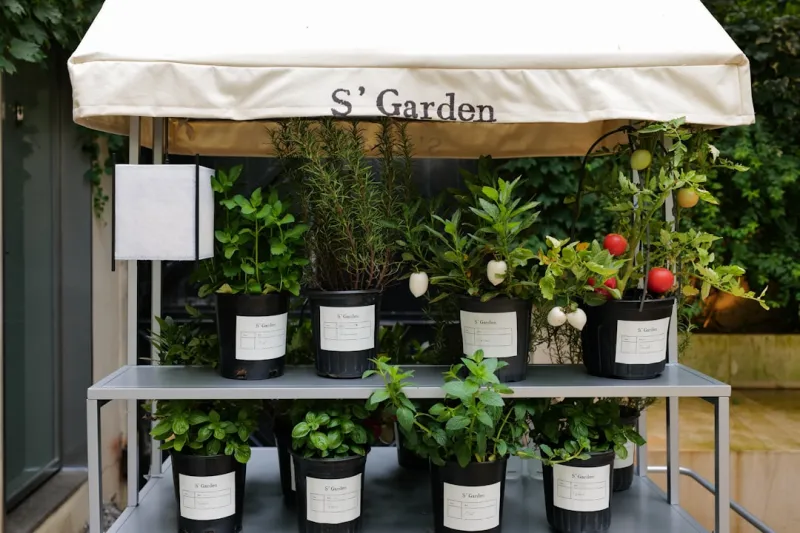
Why My Garden Desk Is the Hottest Home & Garden Trend of 2024
Jimmy Damon shares his personal journey turning a backyard into a productivity‑boosting garden des... Read More
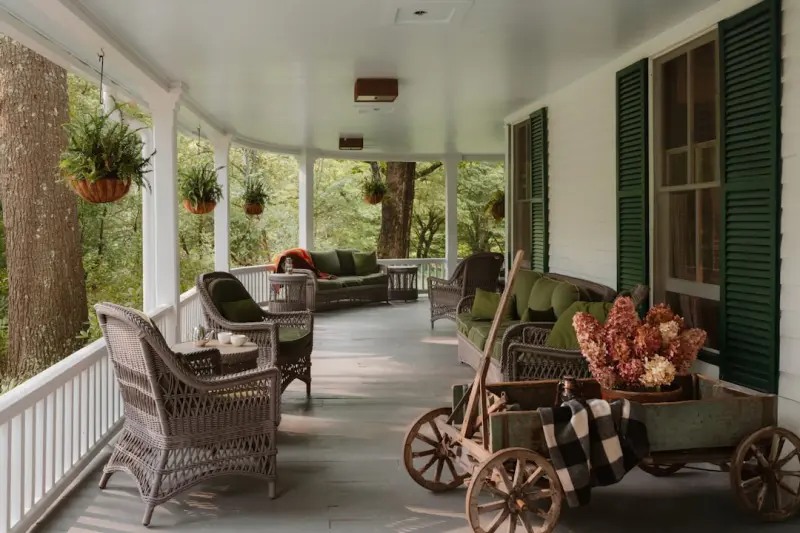
Seasonal Porch Makeovers: Refresh Your Home’s First Impression
Learn how to revitalize your front porch with seasonal décor swaps, sustainable textures, smart lig... Read More
From Backyard to Boardroom: How My Garden Desk Revolutionized Home Life
Jimmy Damon shares his journey of turning a simple garden desk into a thriving outdoor office, boost... Read More
Top Posts

The Quiet Power of Employee Advocacy: Turning Your Workforce Into a Growth Engine
Employee advocacy goes beyond simple social sharing; it aligns purpose, empowers staff with the right tools, and creates a recognition loop that drives real bus...Read More
From Cubicle to Garden: How an Outdoor Desk Revitalized My Home Life
A personal journey from office cubicle to garden desk reveals how outdoor workspaces boost productivity, wellness, and home harmony—plus step‑by‑step tips...Read More
The Art of Seasonal Switch‑Ups: Refreshing Your Home Without a Full Renovation
A practical guide to refreshing your home each season with simple swaps, layout tweaks, and sustainable touches that boost comfort and style without costly reno...Read More
Cultivating Calm: How to Design a Home Sanctuary That Nourishes Body and Mind
Learn how to transform everyday spaces into calming sanctuaries with intentional plant choices, tactile textures, soothing scents, and mindful layout, creating ...Read More
0 Comments
Post Comment
You will need to Login or Register to comment on this post!