
Embracing the Forgotten Art of Seasonal Scent Curation
When we think about home décor, color and texture often steal the spotlight, yet scent is an equally powerful, though under‑utilized, design element. By aligning fragrances with the natural rhythm of the seasons, you can transform each room into a living, breathing story that evolves throughout the year. In spring, citrusy bergamot and fresh-cut grass notes awaken the senses, while summer welcomes the lightness of jasmine and sea‑salt breezes. Autumn invites the comforting warmth of cinnamon‑spiced apple, and winter settles into the deep, resinous tones of pine and frankincense. This intentional approach not only elevates mood but also subtly cues our bodies to the changing environment, fostering a sense of harmony between interior space and the world outside.
Designing a Backyard Wildlife Corridor
Most gardens are designed with aesthetics in mind, but a truly resilient outdoor space considers the creatures that share it. A wildlife corridor is a purposeful pathway of native plants, stone, and mulch that guides pollinators, birds, and beneficial insects across your property. Start by mapping a low‑traffic route that connects sunny sunny patches to shaded refuges, planting nectar‑rich flowers like coneflower and bee balm alongside seed heads for birds. Incorporate water features—such as a shallow birdbath or a pebble‑lined mini‑stream—to provide hydration year‑round. Over time, the corridor becomes a living artery, encouraging biodiversity and rewarding you with the gentle hum of bees and the flutter of butterflies, turning an ordinary backyard into a thriving ecosystem.
Crafting DIY Natural Wall Art with Botanical Prints
Gallery‑ready prints often come with a hefty price tag, but you can create your own botanical masterpieces using pressed flowers and sustainable framing methods. Gather a selection of fresh blooms—think lavender, eucalyptus, or vibrant marigolds—and press them between parchment and heavy books for two weeks. Once flattened, arrange the specimens on reclaimed wood or recycled canvas, adhering them with a natural glue made from flour and water. Seal the composition with a thin layer of beeswax for a subtle sheen that protects the delicate petals. This hands‑on project not only adds a personal touch to your walls but also brings a piece of nature indoors, reinforcing the connection between your living space and the garden outside.
Reviving Heirloom Varieties in the Modern Kitchen Garden
Today's grocery aisles are dominated by uniform, mass‑produced vegetables, but heirloom seeds hold stories of centuries‑old flavors and resilience. By planting varieties like purple carrots, striped tomatoes, or the fragrant 'Chioggia' beet, you invite a palette of taste and color that can transform everyday meals. Heirloom plants often require slightly different care—some thrive in cooler soils, while others prefer a longer growing season—so a bit of research pays off in richer harvests. Swap seed packets with neighbors, or join a local seed‑saving circle, to keep these genetic treasures circulating. The result is a kitchen garden that not only feeds the body but also preserves culinary heritage for future generations.
Optimizing Indoor Light for Houseplant Health
Much like humans, houseplants thrive when their lighting needs are met with precision. Instead of a one‑size‑fits‑all approach, assess each plant’s native habitat: low‑light tropical ferns flourish in filtered shade, whereas sun‑loving succulents demand bright, direct exposure. Use a simple light meter app on your smartphone to measure foot‑candles in various rooms, and position plants accordingly. For darker corners, supplement with energy‑efficient LED grow lights set on a timer that mimics natural daylight cycles. This tailored strategy reduces leggy growth and promotes robust foliage, turning every indoor nook into a thriving green oasis.
Creating a Multi‑Sensory Outdoor Seating Nook
A garden bench is more than a place to sit; it can become a sanctuary for the senses. Begin by selecting a location that offers a view of water, trees, or a blooming border. Add a cushioned seat made from weather‑resistant fabric in earthy tones, and drape a soft throw for cooler evenings. Incorporate auditory elements like a wind chime tuned to gentle, melodic tones, or a small water feature that provides a calming ripple. Surround the area with aromatic herbs—such as mint, rosemary, or lemon verbena—so that each exhale carries a fresh, uplifting scent. This holistic design encourages mindfulness, allowing you to unwind while fully engaging sight, sound, touch, and smell.
Integrating Recycled Materials into Garden Pathways
Pathways guide foot traffic and define garden zones, yet they often rely on new, resource‑intensive materials. By repurposing items like reclaimed brick, broken pottery shards, or even old wine corks, you can craft unique, eco‑friendly walkways that tell a story of sustainability. Lay a base of compacted sand and gravel, then arrange the recycled pieces in a mosaic pattern, securing them with a natural sand‑cement mixture. The irregular textures add visual interest and invite tactile exploration, while the use of reclaimed objects reduces waste and showcases creativity. Over time, the pathway weathers gracefully, becoming a testament to the beauty of thoughtful reuse.
Seasonal Food Preservation in the Home Kitchen
Preserving the bounty of your garden extends the pleasure of fresh produce long after the harvest. Techniques such as fermentation, drying, and pickling not only lock in flavor but also boost nutritional value. For instance, fermenting carrots with sea salt and ginger creates a probiotic‑rich snack that supports gut health. Drying herbs on a low‑heat dehydrator preserves their essential oils, making them ready for culinary use year‑round. Pickling cucumbers, radishes, or even watermelon rind in a vinegar‑spice brine adds tangy accents to meals. By establishing a simple preservation routine, you reduce food waste, cut grocery costs, and keep seasonal flavors alive throughout the colder months.
Building a Tiny Greenhouse for Year‑Round Growing
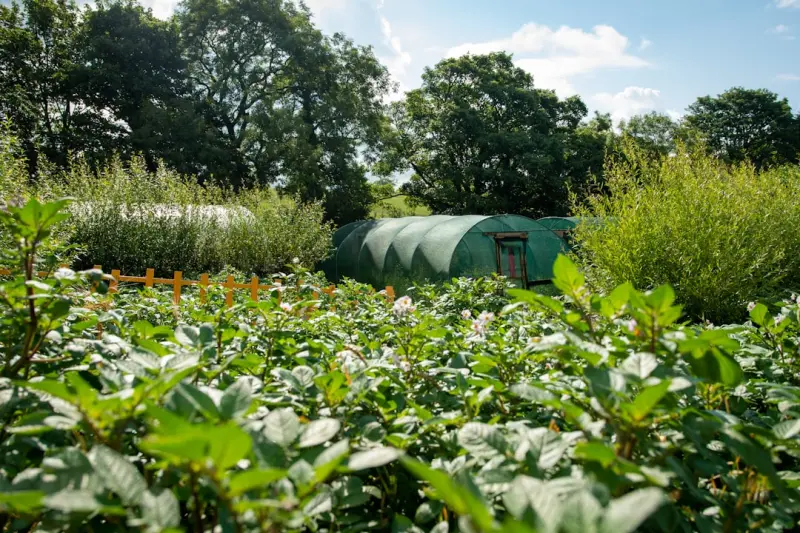
A compact greenhouse can turn a modest balcony or shed into a productive, all‑season growing space. Choose a structure with clear polycarbonate panels to maximize light diffusion while providing insulation against temperature swings. Inside, arrange shelves made from reclaimed pallets, and incorporate a passive heating system—such as a water barrel painted black and placed in sunlight—to store heat during the day and release it at night. Add a small ventilation flap to regulate humidity and prevent fungal issues. With this modest setup, you can nurture seedlings, propagate cuttings, or even grow hardy herbs during winter, ensuring a continuous supply of fresh greens.
Mindful Decluttering of Outdoor Tools and Supplies
Much like the interior, the outdoor workspace can become a source of stress when cluttered with unused tools, broken pots, and tangled hoses. Begin by emptying the shed onto a clean surface, then sort items into three categories: keep, repair, and discard. For tools that are still functional but rarely used, store them in clearly labeled, stackable bins to free up floor space. Repurpose broken pots by turning them into decorative planters for succulents, or use them as garden edging. Finally, install a wall‑mounted pegboard to hang frequently used implements, keeping them within easy reach. This mindful approach to organization not only improves efficiency but also restores a sense of calm to your garden routine.

Lauren Miller is a true outdoors enthusiast who has found her passion in the trades. When she's not working hard on the job, you can find her writing, camping, fishing, and exploring all that nature has to offer. A dedicated partner to her wife Beth, Lauren loves nothing more than spending quality time together and experiencing the great outdoors side by side.
Related Posts

Cultivating Success: How My Garden Desk Transformed Home Life and Productivity
From sunrise brainstorming to seasonal décor, learn how a garden desk turned my backyard into a pro... Read More

Edible Blooms: Turning Your Backyard Into a Flavorful Gallery
Learn to cultivate edible flowers that serve as striking garden decor and fresh culinary ingredients... Read More
Jimmy Damon’s Green Workspace: How My Garden Desk Redefines Home & Garden Living
Jimmy Damon shares his personal journey of turning a garden desk into a thriving, eco‑friendly wor... Read More
Top Posts

Why Portfolio Careers Are the New Normal for Modern Professionals
Portfolio careers combine multiple short‑term gigs, freelance projects, and internal assignments into a single, flexible professional identity. This article e...Read More

From Code to Canvas: How Generative AI is Redefining Creative Collaboration in the Enterprise
Generative AI is shifting from a tool to a collaborative partner, enabling faster ideation, cross‑medium remixing, and data‑informed creativity while mainta...Read More

The Future‑Ready Home: Blending Tech, Sustainability, and Style
Explore a fresh approach to home living that merges technology, green practices, and design, turning any space into a sustainable, stylish sanctuary....Read More

Personalized Hydration: Turning Data into Daily Water Wisdom
Explore a data‑driven approach to hydration, using wearables and smart bottles to tailor daily water intake for improved focus, health, and longevity....Read More
0 Comments
Post Comment
You will need to Login or Register to comment on this post!