
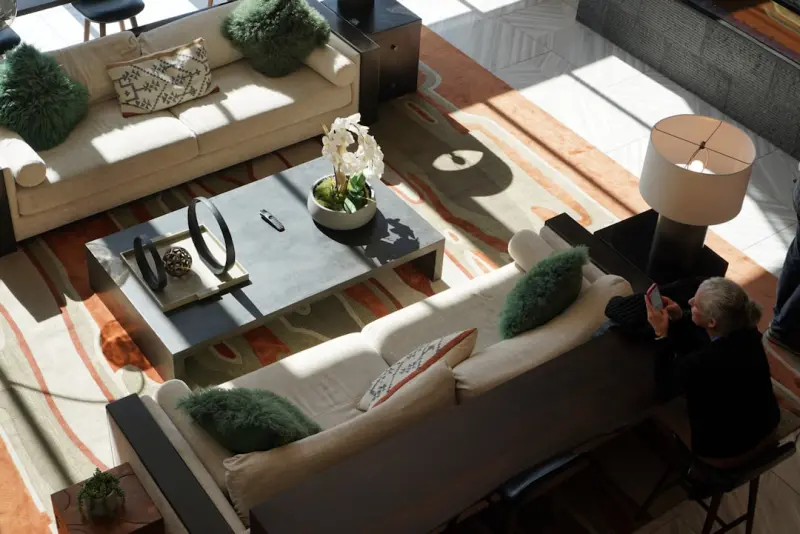
Strategic Home Zoning: Designing Purposeful Micro‑Spaces for Work, Rest, and Play
Ever walked into your living room and felt an undercurrent of chaos, even though the floor is spotless? That uneasy buzz is often the result of a space that’s trying to wear too many hats at once. When a single area is expected to host Zoom calls, family movie nights, yoga stretches, and the occasional impromptu dinner, the mental load piles up—without you even realizing it.
In this post, I’ll walk you through a step‑by‑step framework for carving out distinct micro‑zones inside the same room, each tuned to a specific activity. The goal isn’t to rebuild your home; it’s to rearrange, repurpose, and re‑think what you already have, turning everyday corners into intentional sanctuaries that support focus, relaxation, and fun. By the end, you’ll have a clear action plan, practical design hacks, and a deeper appreciation for how spatial psychology shapes our daily rhythm.
Why Micro‑Zoning Works: The Science Behind Spatial Segmentation
Human brains are wired for context. When we step into a space that looks and feels like a “work” environment, our cognitive circuitry ramps up alertness, dopamine, and the ability to concentrate. Conversely, soft lighting, plush textures, and calming colors cue the parasympathetic nervous system, signaling it’s time to unwind.
Research in environmental psychology shows that environmental cues can improve task performance by up to 23% when the setting aligns with the activity. By creating visual and tactile boundaries—whether a simple bookshelf, a floor rug, or a change in lighting—you give your brain the shorthand it craves: “I’m here to work,” “I’m here to relax,” “I’m here to play.”
Step 1: Audit Your Existing Layout
Before you start moving furniture, take a moment to map out how you currently use each part of the room. Grab a notebook or a digital note app and answer these prompts:
- What activities happen here? List everything from checking email to watering houseplants.
- Which activities clash? For example, video calls can be disrupted by noisy play areas.
- What natural “zones” already exist? Look for architectural features—like a window ledge, a built‑in shelf, or a change in floor material—that can serve as a starting point.
Sketch a quick floor plan (even a rough doodle) and note the flow of foot traffic. This visual will become your blueprint for micro‑zoning.
Step 2: Define Your Core Zones
Most households benefit from three core zones:
- The Focus Zone – A spot for concentrated work, study, or creative projects.
- The Chill Zone – A comfortable area for reading, meditating, or simply decompressing.
- The Play Zone – A lively corner for games, hobbies, or family interaction.
Depending on your lifestyle, you may add a fourth “Transition Zone” near the entryway to store shoes, coats, and daily essentials, keeping the main zones uncluttered.
Step 3: Choose Visual Anchors to Separate Zones
Visual anchors are the unsung heroes of micro‑zoning. They can be as subtle as a change in rug color or as bold as a floor‑to‑ceiling bookshelf. Here are five low‑cost ideas:
- Rugs and Mats – A patterned rug instantly signals a distinct area. Pair a sleek, low‑pile rug for the Focus Zone with a plush, high‑piled rug for the Chill Zone.
- Lighting Layers – Use task lighting (a focused desk lamp) in the work area, while opting for warm floor lamps or string lights in the relaxation corner.
- Room Dividers – Open‑frame screens, tall plants, or even a row of bookshelves can create a physical barrier without sacrificing openness.
- Color Coding – Paint or apply removable wall decals in muted tones for the work side, and soothing pastels for the chill side.
- Furniture Placement – Position a sofa with its back to the work desk; the backrest acts as a natural visual cutoff.
These anchors also help hide the inevitable clutter that accumulates in each zone, keeping the overall aesthetic tidy.
Step 4: Optimize Acoustics for Each Zone
Sound is the invisible layer that can make or break a zone’s effectiveness. The Focus Zone thrives on minimal background noise, while the Play Zone can tolerate a bit of liveliness. Simple acoustic tweaks can dramatically improve each area’s performance.
Consider adding sound‑absorbing tricks like hanging decorative wall tapestries, placing a bookshelf filled with soft‑cover books, or laying down acoustic panels that double as art pieces. For the Chill Zone, a small tabletop fountain or a white‑noise machine can mask external disturbances, creating a cocoon of calm.
Step 5: Curate Functional Storage Solutions
Every zone needs a designated stash spot for its tools. Here’s how to keep things organized without sacrificing style:
- Focus Zone: Install a slim wall‑mounted desk organizer for pens, notebooks, and chargers. Use a rolling cart for larger items like a printer or extra monitors, which can be tucked away when not in use.
- Chill Zone: Opt for woven baskets or low coffee tables with hidden compartments for blankets, magazines, and remote controls.
- Play Zone: Use clear acrylic bins labeled with icons (puzzle pieces, game controllers, art supplies) so everyone knows where things belong.
When storage blends with décor—think vintage crates or decorative trunks—you add personality while staying organized.
Step 6: Add Sensory Touchpoints That Reinforce Purpose
While we’re steering clear of “sensory sanctuary” territory, we can still harness the power of texture and scent to reinforce each zone’s intent. Here are subtle enhancements:
- Focus Zone: Keep the surface crisp with a smooth mouse pad and a matte desk mat. A faint citrus diffuser (lemon or bergamot) can boost alertness without being overpowering.
- Chill Zone: Swap a hard chair for a plush bean bag or a recliner. Soft blankets, knitted throws, and a hint of lavender or chamomile scent can signal relaxation.
- Play Zone: Introduce vibrant, tactile elements like a woven rug, colorful floor cushions, or a small indoor hammock for a playful vibe.
These sensory cues are subconscious nudges that help your brain transition smoothly between tasks.
Step 7: Leverage Smart Tech to Seamlessly Switch Modes
If you’re comfortable with a dash of technology, smart plugs and voice‑controlled lighting can automate the shift between zones. For instance:
- Program a “Work Mode” scene that dims the Chill Zone lights, turns on a focused desk lamp, and silences the living‑room speakers.
- Set a “Relax Mode” that warms the lighting, activates a gentle fan, and plays a curated playlist of ambient sounds.
- Use a motion sensor near the Play Zone to brighten the area only when activity is detected, conserving energy.
Automation removes the friction of manual adjustments, letting you glide from one mindset to another with a single voice command.
Step 8: Test, Tweak, and Iterate
After you’ve arranged the zones, live in them for a week. Pay attention to friction points: Does the laptop glare off a window? Is the Play Zone noisy enough to distract a conference call? Keep a small journal of observations and make incremental tweaks—perhaps adding a privacy screen, swapping a rug, or adjusting the height of a bookshelf.
The beauty of micro‑zoning is its flexibility. As family needs evolve, you can reassign a corner from play to work or swap the Chill Zone’s furniture for a new purpose without a full‑scale renovation.
Real‑World Example: A One‑Room Apartment Turned Multifunctional Hub
Meet Jess, a freelance graphic designer who lives in a 500‑sq‑ft studio. She struggled with constant interruptions: her cat lounging on her laptop, the TV blaring while she tried to draft proposals, and her partner’s yoga mat spilling into her desk area.
Following the micro‑zoning framework, Jess:
- Mapped her daily activities and identified three core zones.
- Placed a narrow, reclaimed‑wood desk against the window (Focus Zone) and added a floor lamp with a cool‑white bulb.
- Installed a tall, leafy monstera plant as a natural divider, creating a visual buffer between work and rest.
- Swapped a small side table for a low‑profile futon (Chill Zone) with a soft, earth‑tone throw.
- Set up a corner rug and a compact, stackable gaming console station (Play Zone) near the kitchen.
- Added a smart plug to the desk lamp and programmed a “Work” routine that turns off the TV and brightens the desk area.
Within two weeks, Jess reported a 30% increase in productive hours, a noticeable drop in stress, and a happier cat (who now enjoys the plant’s shade). Her story illustrates how thoughtful micro‑zoning can transform even the tightest spaces into functional, harmonious environments.
Bonus: Integrating a Mini‑Home Office Without a Separate Room
Many readers ask how to fit a full‑blown home office into an open‑plan living area. The secret is to keep the office components mobile and discreet. Consider these tips:
- Folding Desks: A wall‑mounted, fold‑down desk can be tucked away when not in use, freeing floor space for family activities.
- Rolling Chair: Choose a compact, ergonomic chair on casters that slides under the couch or a sideboard.
- Portable Storage: Use a rolling file cabinet that doubles as a nightstand in the Chill Zone.
- Dual‑Purpose Furniture: A coffee table with a removable top can serve as a drafting surface.
By keeping the office elements adaptable, you preserve the room’s overall flow while still meeting professional demands.
Conclusion: Make Your Space Work for You, Not the Other Way Around
Micro‑zoning isn’t a one‑size‑fits‑all solution; it’s a mindset that encourages intentional design and mindful living. By dissecting your room into purpose‑driven pockets, leveraging visual and acoustic cues, and adding subtle sensory touches, you empower yourself to transition between work, rest, and play with ease.
If you’re ready to dive deeper into the productivity side of things, check out turn your living room into a work‑friendly zone. For a quieter, calmer atmosphere, explore sound‑absorbing tricks that can make each micro‑zone feel like its own sanctuary.
Remember, the goal isn’t to overhaul your home but to fine‑tune it—one thoughtful adjustment at a time. Happy zoning!

Miranda Murphy: Experienced freelance writer with a decade of storytelling expertise. Let's create something amazing together!
Related Posts
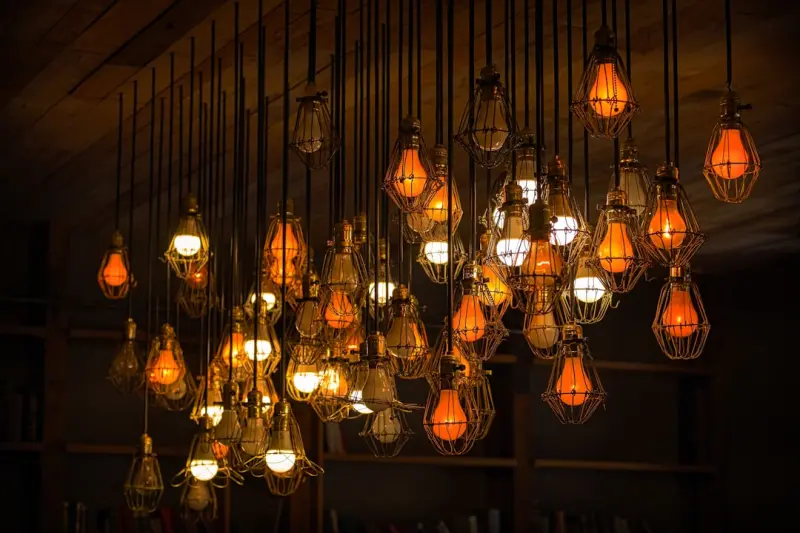
Smart Lighting Hacks to Boost Mood & Productivity
Explore practical smart lighting strategies—from layering fixtures to syncing with your sleep cycl... Read More
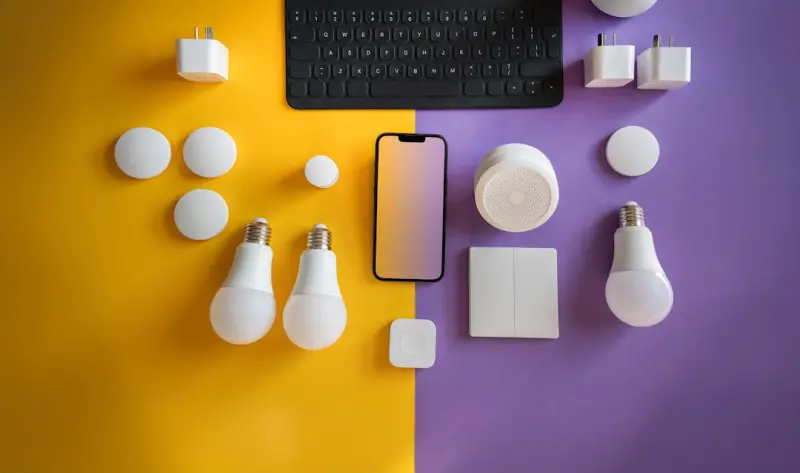
Revamp Your Home with Smart Lighting Hacks for Mood & Savings
A practical guide to using smart lighting for better mood, sharper focus, and lower bills, featuring... Read More
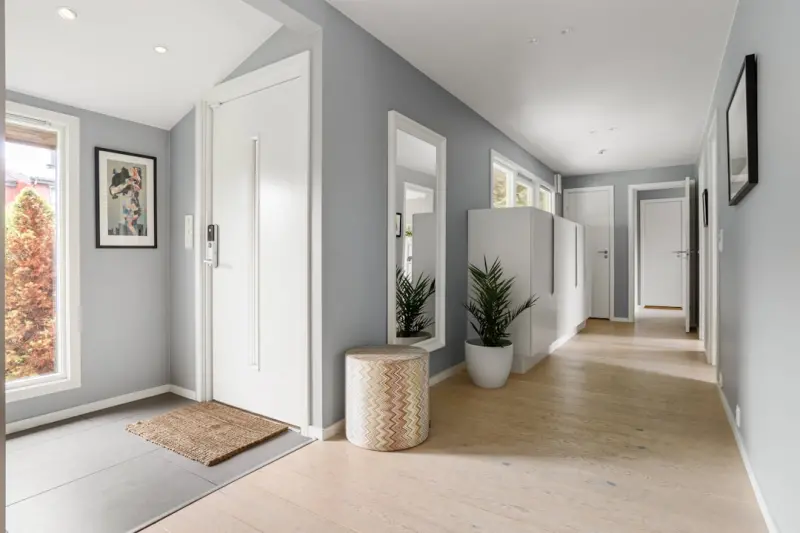
Transform Your Entryway into a Stress‑Free Welcome Hub
A step‑by‑step guide to turning a chaotic foyer into a serene welcome hub, featuring practical z... Read More
Top Posts

Why Transparent Employment Contracts Are the Future of Work
A deep dive into why static employment contracts are obsolete and how living, transparent agreements can transform trust, retention, and agility for both employ...Read More

The Internal Gig Economy: Redefining Careers Within the Same Company
Discover why internal gig marketplaces are reshaping employment, offering employees project‑based flexibility while keeping them within the same organization,...Read More

Beyond the Guidebook: How Uncharted Transit Hubs Are Redefining Travel
Explore the untapped potential of regional airports and modest train depots as gateways to genuine cultural immersion, local cuisine, and sustainable tourism....Read More

Unlocking Career Acceleration Through Employee Resource Groups
Explore the untapped power of Employee Resource Groups as a strategic tool for skill building, networking, and rapid career progression....Read More
0 Comments
Post Comment
You will need to Login or Register to comment on this post!