

Why Your Gut Might Be the Missing Piece in Workplace Wellness
When I first started digging into the science of gut health, I expected a laundry list of probiotics and fermented foods. What I found instead was a complex, two‑way conversation between the trillions of microbes living in our intestines and the very way we think, feel, and perform at work. As someone who spends her days toggling between Zoom calls, data dashboards, and the occasional sprint planning session, I’ve realized that the health of my gut is directly tied to my ability to stay focused, manage stress, and bounce back from setbacks.
The Microbiome‑Brain Axis: A Quick Primer
Researchers now refer to the gut‑brain axis as a high‑speed information superhighway. It’s not just about hormones; it’s about neurotransmitters, immune signals, and even electrical impulses traveling via the vagus nerve. In fact, roughly 90% of the body’s serotonin—the “feel‑good” neurotransmitter—is produced in the gut. When the microbial community is balanced, it helps regulate mood, cognition, and even the stress response.
- Diverse microbiota = better mood stability.
- Low diversity = higher anxiety and poorer focus.
- Inflammatory microbes = increased fatigue and brain fog.
For remote or hybrid teams, where the line between “office” and “home” blurs, these subtle shifts can have a noticeable impact on collaboration, creativity, and overall productivity.
What’s Driving Microbial Imbalance in the Modern Workplace?
While diet is the most obvious factor, several workplace‑related habits are quietly reshaping our gut ecosystems:
- Irregular eating windows: Late‑night snacks after a marathon meeting can disrupt circadian rhythms, which in turn affect gut motility.
- Stress‑induced cortisol spikes: Chronic stress can increase gut permeability (“leaky gut”), allowing unwanted molecules to trigger inflammation.
- Sedentary posture: Prolonged sitting slows digestion, creating an environment where harmful bacteria can thrive.
- Excessive caffeine: While a cup of coffee jump‑starts a morning, too much can alter the gut’s pH balance.
Understanding these triggers is the first step toward a proactive strategy that doesn’t just treat symptoms, but builds a resilient microbiome from the ground up.
Three Simple, Science‑Backed Practices to Nurture Your Microbiome at Work
1. Adopt a “Micro‑Meal” Rhythm
Instead of the classic three‑big‑meals model, try micro‑meals—smaller, nutrient‑dense plates every 3–4 hours. This steady flow of fuel keeps blood sugar stable, reduces cortisol spikes, and gives beneficial bacteria a consistent supply of prebiotic fiber.
Practical tip: Keep a portable snack box on your desk with a mix of raw nuts, sliced apple, and a spoonful of chia seeds. Pair it with a glass of water infused with lemon to aid digestion.
2. Move Your Microbiome With Micro‑Movements
We all know the benefits of a 5‑minute stretch, but what if each movement was also a gut‑friendly stimulus? Simple standing‑up‑and‑sit‑down cycles every 45 minutes stimulate peristalsis—the wave‑like muscle contractions that push food through the intestines.
- Set a timer: Stand, stretch, and do 10 deep breaths before sitting again.
- Incorporate gentle core twists to massage abdominal organs.
- Consider a short “desk‑walk” to the kitchen for a glass of kefir or a probiotic‑rich drink.
These micro‑movements not only improve circulation but also give your gut a gentle nudge that supports regularity.
3. Curate a Micro‑Biome‑Friendly Sensory Environment
Our surroundings shape stress levels, which cascade down to gut health. While you might have seen articles on visual hygiene and the calming power of soundscapes for self‑care, there’s a subtle layer that’s often missed: the olfactory and tactile cues that signal safety to the gut.
Try integrating:
- Natural aromatics like lavender or rosemary using a low‑dose diffuser—these scents have been shown to reduce cortisol.
- Soft textures such as a woven mouse pad or a fabric-backed chair that encourage a relaxed posture, indirectly aiding digestion.
- Ambient humidity (around 40‑50%) to keep mucosal linings hydrated, which supports barrier function against leaky gut.
Food Hacks That Double as Team‑Building Activities
When I introduced a weekly “Ferment Friday” in my department, the results were surprising. Not only did our collective gut health improve (as measured by reduced sick days), but we also cultivated a sense of shared purpose.
Here are a few low‑effort, high‑impact ideas:
- DIY Kombucha Workshops: Send kits to remote workers, schedule a virtual brewing session, and discuss the science of SCOBYs while sipping the finished product.
- Prebiotic Potluck: Encourage team members to bring dishes rich in prebiotic fibers—think chicory root, dandelion greens, or Jerusalem artichokes. Share recipes on a communal Slack channel.
- Gut‑Health Book Club: Pick a short, evidence‑based read (e.g., “The Good Gut”) and meet monthly to discuss actionable takeaways.
These activities create a culture where health isn’t an isolated task but a collaborative, enjoyable journey.
Tracking Progress Without Obsessing Over Data
Many SaaS teams love dashboards, but when it comes to gut health, the goal is to use data as a gentle guide, not a strict monitor. Here are three low‑tech metrics that give you insight without causing anxiety:
- Morning Energy Scale (1‑10): Rate your wake‑up vigor each day. Notice patterns related to meal timing or stress.
- Stool Consistency Log using the Bristol Stool Chart (a quick visual reference). It’s a discreet way to monitor digestion health.
- Stress Check‑In via a 2‑minute mindfulness app, then note any gut-related sensations (e.g., “tight chest,” “butterflies”).
Over weeks, trends emerge. If you see a dip in the energy scale after a period of back‑to‑back meetings, it might be time to reassess your micro‑meal schedule or introduce an extra movement break.
Integrating Gut‑Friendly Practices into Existing Wellness Programs
Most organizations already have wellness perks—gym memberships, mental‑health days, or meditation apps. Adding a gut‑health layer is often a matter of framing and timing:
- Audit Current Offerings: Identify gaps (e.g., no nutrition component) and propose a gut‑focused pilot.
- Leverage Existing Platforms: Use your company’s learning portal to host short videos on prebiotic foods, or embed a weekly reminder about micro‑movements.
- Partner with Food Vendors: Negotiate discounts on probiotic‑rich snacks for the office kitchen or remote‑delivery kits.
When you tie gut health to measurable outcomes—like reduced absenteeism or higher engagement scores—you’ll quickly gain executive buy‑in.
Addressing Common Myths
Before you dive in, let’s debunk a few misconceptions that often stall progress:
- “I need an expensive probiotic supplement.” – Whole foods (yogurt, kimchi, miso) provide diverse strains at a fraction of the cost.
- “Gut health is only about digestion.” – It influences immunity, mood, and even skin health.
- “I can’t change my gut overnight.” – Small, consistent tweaks lead to measurable improvements within weeks.
Future Outlook: The Role of AI and Personalized Nutrition
While my focus here is on actionable, low‑tech steps, the intersection of AI and gut health is already emerging. Predictive algorithms can analyze stool microbiome data to recommend individualized meal plans. As the technology matures, we might see AI‑driven narratives that translate complex microbial data into simple daily actions.
For now, the best approach is to combine evidence‑based habits with a curiosity about how your body responds. Your gut is a living ecosystem—treat it with the same attention you give to your codebase, and you’ll notice fewer bugs in both body and mind.
Take the First Step Today
Pick one of the three practices above and commit to it for the next seven days. Whether you set a timer for micro‑movements, swap a midday pastry for a prebiotic snack, or diffuse a calming scent at your desk, you’ll create a ripple effect that extends beyond your own health to the wellbeing of your entire team.
Remember: the most powerful health interventions are the ones that become part of your daily rhythm. Your gut isn’t just a passive organ; it’s a dynamic partner in achieving sustainable performance, creativity, and happiness at work.

Lauren Miller is a true outdoors enthusiast who has found her passion in the trades. When she's not working hard on the job, you can find her writing, camping, fishing, and exploring all that nature has to offer. A dedicated partner to her wife Beth, Lauren loves nothing more than spending quality time together and experiencing the great outdoors side by side.
Related Posts

Micro‑Outdoor Moments: Small Nature Breaks for Big Health Gains
Micro‑outdoor moments are short, intentional interactions with nature that can be integrated into ... Read More

Harnessing Natural Light to Reset Your Body’s Clock and Boost Health
Learn practical ways to use sunrise, midday sun, and evening darkness to synchronize your circadian ... Read More
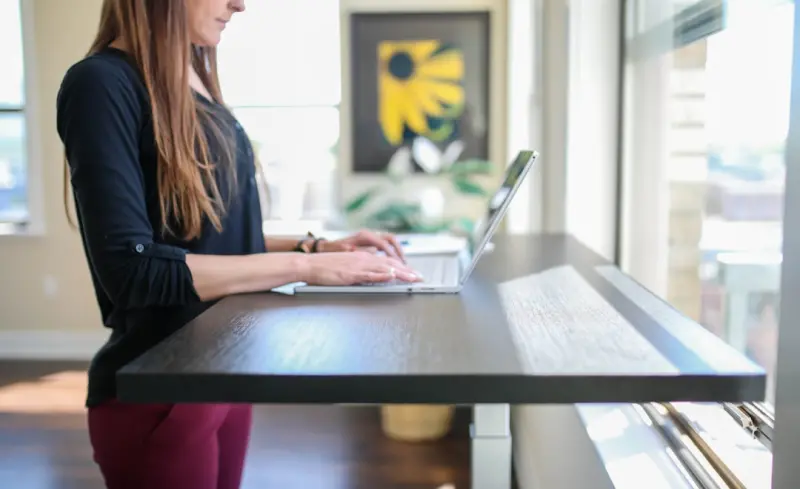
Micro‑Movement: Small Shifts for Big Desk‑Side Health
A personal guide to integrating brief, purposeful movements into your remote workday, combining post... Read More
Top Posts
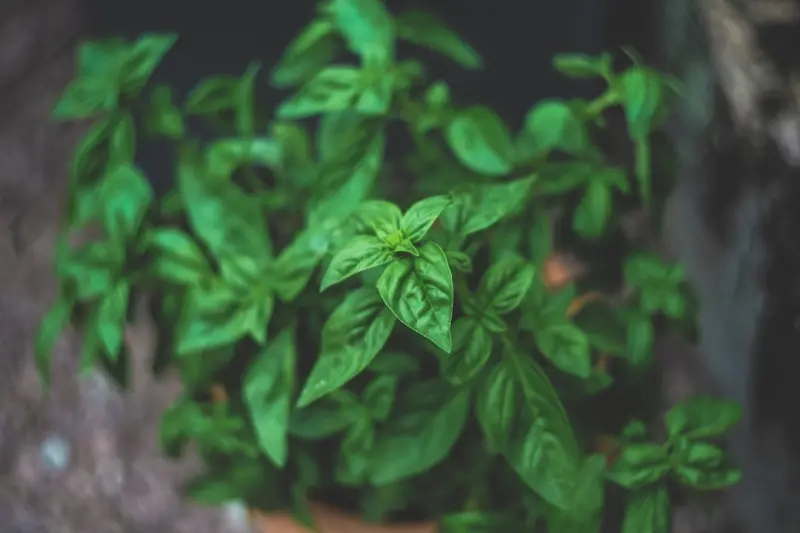
Cultivating a Kitchen Herb Oasis: Fresh Flavors and Everyday Calm
Learn step‑by‑step how to turn your kitchen into a thriving herb oasis, from selecting the right plants and containers to harvesting and integrating greener...Read More

Quiet Home, Productive Mind: Acoustic Hacks for Every Room
A step‑by‑step guide to making your home quieter and more calming, using affordable materials, smart placement, and simple DIY tricks to improve acoustic co...Read More
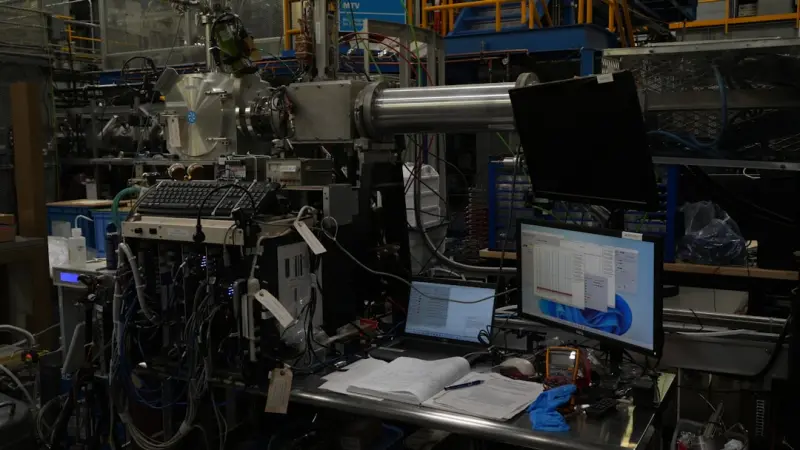
AI Experimentation Labs: Fast‑Track Innovation Inside Your Company
AI experimentation labs turn data noise into actionable insight, enabling rapid, low‑cost testing of ideas across product, pricing, and customer experience, w...Read More

Digital Declutter: A Fresh Path to Mental Calm
A practical guide to shedding digital overload, this post shows how intentional unplugging, analog habits, and mindful media choices can rejuvenate your mind an...Read More
0 Comments
Post Comment
You will need to Login or Register to comment on this post!