
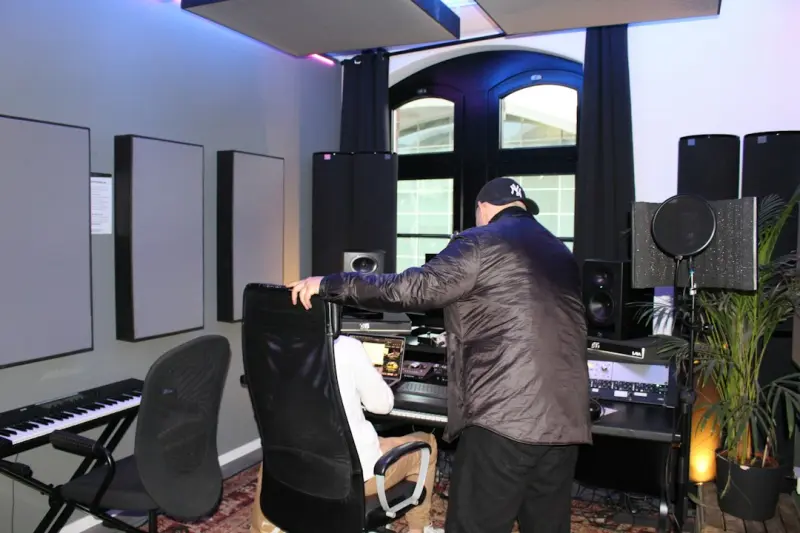
Why Auditory Design Belongs in Your Personal Care Playbook
When most of us think about personal care, the mind drifts to skin, hair, and maybe a quick meditation. Rarely does it wander into the realm of sound. Yet every brushstroke, every splash of water, every moment you stare at the mirror is accompanied by an invisible soundtrack—whether it’s the hum of your HVAC, the chatter of a passing street, or the silence you’re trying hard to conjure. I’ve spent the past few months treating my bathroom, my desk, and even my nightstand like a studio, and the results have been nothing short of transformative.
The Neuroscience Shortcut: How Sound Rewires Mood in Seconds
Our brains are wired to respond to auditory cues faster than visual ones. A sudden chirp can jolt us awake; a soothing chord can coax our heart rate down. Studies show that specific frequencies—especially those in the 40‑to‑80 Hz range—can stimulate the vagus nerve, a key player in stress reduction. Pair that with the release of dopamine when you recognize a favorite melody, and you have a rapid, low‑effort lever to shift your internal state.
Building a Personal Sound Library That Serves You
Think of a sound library as a wardrobe for your ears. It should have:
- Foundation tracks: Low‑key ambient drones or gentle rain that create a baseline of calm.
- Focus boosters: Binaural beats or alpha‑wave music that sharpen concentration without feeling “cheesy.”
- Energy lifts: Up‑tempo instrumental pieces that get you moving without the lyrical distraction of pop hits.
- Wind‑down lullabies: Slow tempos, natural night sounds, or soft choral pads to cue your body for rest.
Start small—maybe a 30‑minute “Morning Reset” playlist and a “Evening Unwind” list. Over time, you’ll notice which sounds make the shave smoother, the facial routine less rushed, or the post‑lunch slump less pronounced.
Embedding Sound into Everyday Care Moments
Below is a walk‑through of how I’ve layered audio into four core parts of my day. Feel free to remix the order, the genre, or the duration to match your own rhythms.
1. The Wake‑Up Splash
Instead of the blaring alarm, I set a gentle crescendo of ocean waves that fades into a subtle melodic pattern. As the water hits the sink, the soundscape shifts to a bright, mid‑tempo instrumental that mirrors the feeling of stepping into a fresh day. The auditory cue signals my brain: “It’s time to transition from sleep mode to productivity mode.”
2. Midday Refuel (Desk‑to‑Desk Hygiene)
When I’m stuck at my desk, a quick 3‑minute hand‑washing ritual is accompanied by a focused binaural beat set (around 14 Hz, the theta range). The beat subtly entrains my brainwaves, making the mundane act of scrubbing away germs feel like a mini‑mindfulness session. The result? Cleaner hands, clearer thoughts.
3. Pre‑Meeting Power‑Prep
Before a high‑stakes video call, I cue a 5‑minute “confidence boost” track—an instrumental with a steady, uplifting rhythm. The sound nudges my sympathetic nervous system just enough to raise alertness without spiking cortisol. I’ve found that I enter meetings with a steadier voice and a more relaxed posture.
4. Nightly Unwind
My bedtime routine now includes a 10‑minute sound bath of low‑frequency tones mixed with distant thunder. The deep vibrations stimulate my parasympathetic response, while the natural ambience signals my brain that daylight is over. I pair this with a quick facial cleanse, and the combination of tactile and auditory cues sends a clear “sleep now” message.
Technology That Amplifies the Experience
If you’re already using connected devices for health tracking, you’re only a step away from an integrated auditory care system. The Smart Personal Care movement has introduced Bluetooth‑enabled speakers that sync with your calendar, automatically launching the appropriate playlist when you schedule a grooming session. Imagine a smart mirror that not only adjusts lighting but also fades in a calming soundscape as you apply moisturizer.
Even without high‑end gear, a simple voice assistant can serve as an “audio cue manager.” Program phrases like “Start my morning splash” or “Begin evening unwind,” and let the assistant handle the rest. The key is consistency: the brain learns to associate the verbal command with a physiological response.
Beyond the Playlist: Using Sound as a Personal Care Anchor
Sound can also act as a mental anchor for habit formation. When you consistently pair a specific sound with a care activity, the brain creates a Pavlovian link. Over weeks, just hearing that cue can trigger the associated behavior—making it easier to stay consistent even on low‑motivation days.
For example, I use a soft chime every time I finish brushing my teeth. After a month, the chime alone is enough to remind me to floss, even if I’m halfway through a Netflix binge.
Practical Tips for Getting Started
- Start with one routine: Choose the part of your day you’re most likely to stick with—morning or bedtime.
- Curate, don’t overwhelm: Keep playlists under 30 minutes to avoid decision fatigue.
- Test frequencies: Experiment with low‑bass drones for relaxation and higher‑frequency beats for focus.
- Leverage existing tools: Use your phone’s “Do Not Disturb” mode to silence notifications while your soundscape runs.
- Iterate: Track how you feel after each session. Adjust tempo, genre, or volume based on the data.
Measuring Impact: The Personal Care Feedback Loop
To know if your auditory upgrades are paying off, set up a simple feedback loop:
- Before each sound‑enhanced routine, note your baseline mood (scale of 1‑10).
- After the routine, record the same metric.
- After a week, calculate the average delta.
- If the improvement is marginal, swap out a track or adjust the volume.
This quantifiable approach mirrors the experimental mindset we champion in Creative Personal Care, but with a focus on auditory variables instead of visual aesthetics.
Future Trends: Sound‑Centric Personal Care Ecosystems
Looking ahead, I anticipate three developments that will make sound a core pillar of personal care:
- AI‑Generated Soundscapes: Algorithms that tailor frequencies to your biometric data in real time.
- Biofeedback‑Driven Speakers: Devices that adjust volume and frequency based on heart‑rate variability.
- Multi‑Sensory Pods: Compact units that combine scent‑less aromatherapy, subtle vibration, and curated sound for a full‑body reset.
When these technologies mature, we’ll be able to step into a “self‑care pod” that reads our stress levels and instantly deploys the perfect auditory—and tactile—environment to bring us back to balance.
Final Thoughts: Make Sound Your Silent Personal Care Partner
Personal care isn’t just about what you put on your skin; it’s also about the invisible layers that shape your internal state. By intentionally designing the soundscape around your grooming, meditation, and sleep rituals, you give yourself a low‑cost, high‑impact tool for better focus, deeper relaxation, and a more enjoyable daily routine. Try it for a week, track the changes, and you might find that the most powerful product in your self‑care arsenal has been humming in the background all along.

Seth Samual is a name that's quickly becoming synonymous with compelling and insightful writing. As a freelance writer, Seth has carved a niche for himself by delivering high-quality content across a diverse range of subjects.
Related Posts
Fermented Skincare: The DIY Revolution Transforming Your Daily Routine
Explore the science and sustainability of fermented skincare, learn easy DIY recipes, and see how la... Read More
Adaptive Skincare Tech: Turning Routine Into Real‑Time Personal Care
Adaptive skincare technology transforms static personal care habits into responsive rituals, using s... Read More
Cultivating a Living Skin Microbiome: DIY Probiotic Fermentation for Personal Care
Explore a fresh, sustainable approach to skincare by creating probiotic fermented serums that feed y... Read More
Top Posts

Regenerative Travel: Turning Vacations into Ecological Healing
Regenerative travel goes beyond sustainability by actively restoring ecosystems and empowering local communities. Learn how to design trips that leave places be...Read More

Why the 48‑Hour City Sprint Is the Future of Business Travel
A 48‑hour city sprint blends focused work with intentional cultural immersion, delivering fresh ideas, valuable contacts, and higher well‑being—making eve...Read More

Why Garden Desks Are the Future of Employment: A Rose DesRochers Perspective
Rose DesRochers reveals why garden desks are revolutionizing work in 2024—boosting productivity, sustainability, and employee well‑being—all from a person...Read More
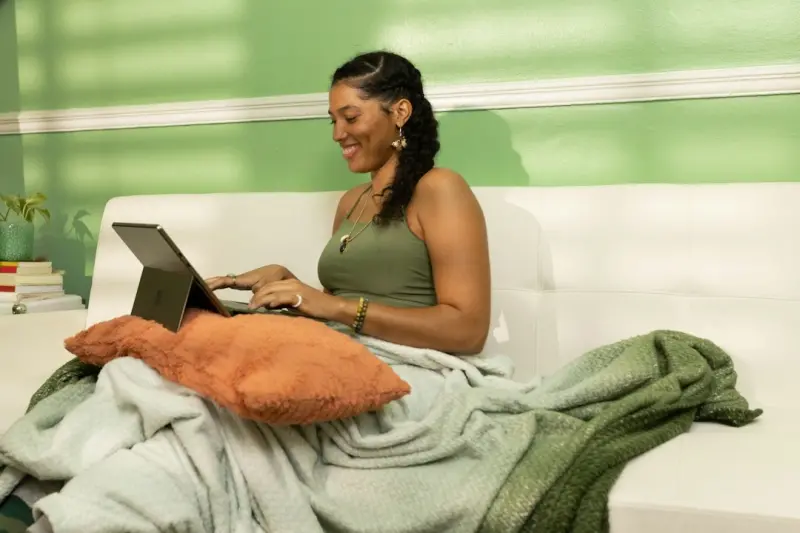
Digital Wellness at Home: Tame Tech for a Healthier Living Space
Learn how to audit, declutter, and automate your home's digital environment, establishing tech‑free zones, smarter lighting, and healthier habits for a more b...Read More
0 Comments
Post Comment
You will need to Login or Register to comment on this post!