
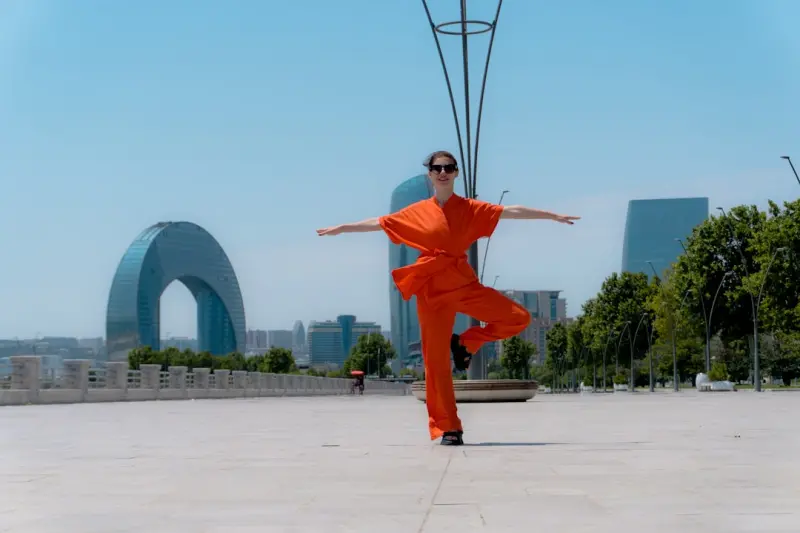
Why Moving to Joy Can Be Your Most Effective Health Habit
When I first walked into a local dance studio out of sheer curiosity, I expected a sweaty workout and maybe a few missteps. What I didn’t anticipate was the profound cascade of mental clarity, emotional release, and physical vitality that unfolded with every beat. Since that moment, I’ve been on a mission to prove that dance isn’t just an art form—it’s a daily health prescription that anyone can integrate into a hectic schedule.
The Science Behind Rhythm and Well‑Being
Researchers have long known that music influences the brain’s reward centers, releasing dopamine, oxytocin, and endorphins. When you pair those neurochemicals with full‑body movement, you create a synergistic effect that amplifies stress reduction, improves cardiovascular health, and even supports neuroplasticity. A recent study from the Journal of Movement Science showed that participants who engaged in 30 minutes of moderate dancing three times a week experienced a 20% reduction in cortisol levels compared to a control group.
What makes dance uniquely powerful is its multisensory integration. Unlike isolated cardio or strength training, dance simultaneously engages:
- Auditory pathways – the rhythm guides timing and coordination.
- Proprioceptive feedback – you become acutely aware of body position and movement.
- Emotional expression – the freedom to improvise unlocks a safe outlet for feelings.
When these systems work in concert, the brain forms new neural pathways, making it easier to handle stress, regulate mood, and even improve memory.
Beyond the Gym: How Dance Beats Traditional Exercise for Stress Relief
Traditional cardio can be a chore, especially when motivation wanes. Dance, however, taps into intrinsic motivation by aligning movement with music you love. This alignment triggers the brain’s pleasure loop, making it easier to maintain consistency.
Consider these three stress‑reduction mechanisms that dance uniquely offers:
- Embodied Mindfulness – By focusing on foot placement and rhythm, you naturally practice a form of mindfulness that anchors you in the present moment.
- Social Connection – Group classes, flash mobs, or even a virtual dance party create a sense of community, releasing oxytocin and fostering belonging.
- Emotional Catharsis – The freedom to move without judgment encourages the release of pent‑up emotions, a therapeutic effect often missing from more structured workouts.
Choosing the Right Dance Style for Your Lifestyle
Not every dance style suits every personality or schedule. Below is a quick guide to help you match your goals and time constraints with the perfect rhythm.
- Hip‑Hop or Street Dance – High‑energy, great for cardio and confidence building. Ideal for short, intense 20‑minute sessions.
- Ballroom or Social Dance – Emphasizes partner connection and graceful movement; perfect for building relationships and low‑impact cardio.
- Contemporary or Modern – Focuses on fluidity and emotional expression; excellent for stress relief and flexibility.
- Zumba or Latin Fusion – Combines aerobic moves with infectious beats; a fun way to burn calories while smiling.
Experimentation is key. Try a free trial class, watch tutorial videos, or simply put on a favorite playlist and improvise in your living room. The goal is to discover a style that makes you want to move again tomorrow.
Integrating Dance into a Busy Day: Practical Tips
Even the most dedicated health enthusiast can feel overwhelmed by a packed calendar. Here are five actionable strategies to slip dance into any routine without sacrificing productivity.
- Micro‑Sessions: Set a timer for 5‑minute “dance breaks” between meetings. A quick shimmy to a catchy chorus can reset focus.
- Commute Choreography: If you use public transit, stand up and sway (safely) to the rhythm of the station announcements.
- Morning Warm‑Up: Replace static stretching with a 10‑minute dance routine to wake up both mind and body.
- Digital Dance Parties: Schedule a weekly virtual dance‑off with friends or colleagues; the shared experience boosts morale.
- Integrate with Household Tasks: Put on music while cooking, cleaning, or gardening—turn chores into a rhythmic workout.
Dance as a Complement to Other Health Practices
While dance can stand alone as a powerful health tool, it becomes even more effective when paired with complementary habits.
Pairing with Sleep Chronotypes
Understanding your natural chronotype can help you schedule dance sessions at times when your body is primed for activity or recovery. For “morning larks,” a sunrise dance routine can amplify alertness. “Night owls” might find an evening groove helps unwind without disrupting sleep architecture.
Connecting with Nature
While my favorite studio playlists provide a controlled environment, stepping outside adds another layer of benefit. forest bathing has proven to lower blood pressure and improve immune function. Combine a slow, mindful walk through trees with rhythmic footwork, and you get a hybrid of movement and nature immersion that supercharges wellbeing.
Mindful Nutrition
After a vigorous dance session, your body craves nutrient‑dense fuel. Focus on balanced meals rich in protein, complex carbs, and healthy fats to replenish glycogen stores and support muscle recovery. Think of your plate as a “post‑dance recovery cocktail.”
Addressing Common Barriers
Many people shy away from dance due to self‑consciousness, lack of skill, or perceived time constraints. Let’s debunk these myths:
- “I’m not a dancer.” – Dance is a spectrum; you don’t need flawless technique to reap health benefits. Embrace the beginner’s mindset.
- “I don’t have space.” – Even a 4‑foot by 4‑foot area suffices for most styles. Use a mirror or a smartphone for feedback.
- “It’s too expensive.” – Free online tutorials, community classes, and YouTube channels provide cost‑effective options.
Success Stories: Real‑World Transformations
Here are three brief anecdotes that illustrate dance’s far‑reaching impact.
- Maria, a remote project manager struggled with burnout. She instituted a 10‑minute hip‑hop warm‑up each morning. Within a month, her stress scores dropped by 30% and her team reported higher morale.
- James, a 58‑year‑old retiree was diagnosed with mild hypertension. He joined a weekly ballroom class, which not only helped lower his blood pressure but also gave him a vibrant social circle.
- Leila, a college student faced anxiety during exam season. She created a “study break dance playlist” and took 5‑minute dance pauses, resulting in improved focus and a higher GPA.
Future Trends: The Evolution of Dance‑Based Wellness
The convergence of technology and movement is already reshaping how we experience dance. Wearable sensors can now track heart rate variability, movement symmetry, and even emotional response during a session. Imagine a future where an app suggests a personalized dance routine based on your stress level, sleep quality, and nutritional intake. While we’re just scratching the surface, these innovations hint at a more data‑driven, individualized approach to rhythmic health.
Getting Started Today
If you’re ready to make dance a cornerstone of your health regimen, follow this starter kit:
- Pick a song that instantly lifts your mood.
- Set a timer for 5 minutes.
- Move freely—no choreography required. Let your body respond to the beat.
- Reflect on how you feel after. Notice any shifts in energy, mood, or clarity.
Repeat daily, gradually increasing session length and exploring new styles. Over time, you’ll likely discover that dance has become less of a “task” and more of an instinctual celebration of life.
Conclusion: Dance Your Way to a Healthier You
In a world saturated with quick fixes and regimented fitness programs, dance offers a refreshing, holistic alternative. It merges physical exertion, emotional expression, social connection, and cognitive stimulation—all wrapped in the joy of music. By weaving rhythmic movement into the fabric of your everyday life, you empower yourself to navigate stress, boost vitality, and cultivate a deeper sense of self‑acceptance. So, turn up the volume, let go of perfection, and dance your way toward lasting health.

Melanie Wilson, Freelance writer with a flare for everything. I am passionate about topics I write crafting stories and compelling content that connect with audiences. Journeying through the realms of creativity as a freelance creator. #WriterLife #ContentCreator
Related Posts
Why Micro‑Posture Breaks Are the Unsung Heroes of Workplace Health
Micro‑posture breaks—brief, intentional stretches every 10‑15 minutes—reset circulation, red... Read More
The Breath Reset: How Intentional Breathing Can Rewire Your Immune System
Intentional breathwork, especially slow exhalations, activates the parasympathetic system, reducing ... Read More

Timing Your Meals for Better Health: The Power of Chrononutrition
Learn how aligning your eating schedule with your body’s natural clock can enhance metabolism, imp... Read More
Top Posts

Screen Time & Skin: Uncovering the Hidden Connection and How to Reset
Explore the unseen ways screen exposure damages skin and get actionable habits—blue‑light filters, movement snacks, and a digital sunset routine—to protec...Read More
Why Garden Desks Are the Future of Employment
Garden desks blend nature with work, offering a fresh boost to productivity, creativity, and well‑being—turning any backyard into a powerful career catalyst...Read More

Harvesting Harmony: Building a Vertical Herb Wall in Your Urban Home
Discover how a simple vertical herb wall can transform a small apartment into a thriving green oasis, offering fresh herbs, cleaner air, and a daily dose of wel...Read More

Beyond the Checklist: Turning Travel Into a Personal Innovation Playground
Explore how treating each journey as an experiment can boost creativity, develop new habits, and turn travel into a powerful engine for personal and professiona...Read More
0 Comments
Post Comment
You will need to Login or Register to comment on this post!