
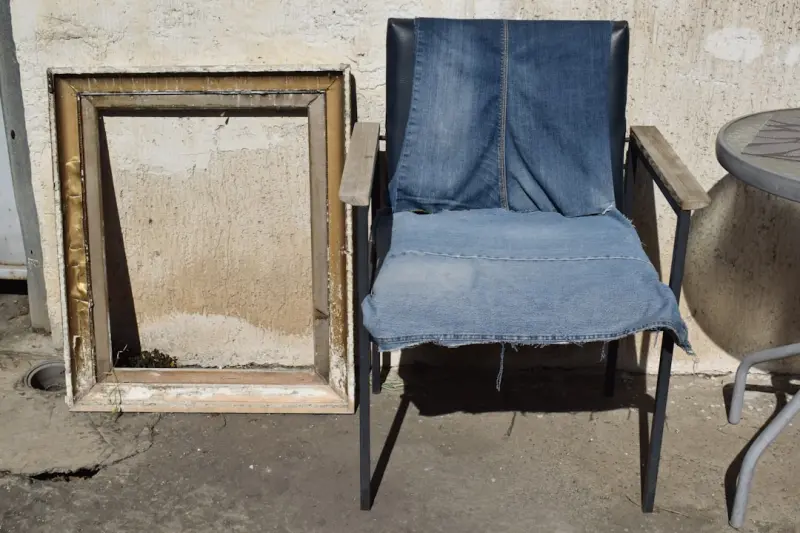
Why Upcycling is the New Home‑Improvement Mantra
When you look at the piles of cardboard, reclaimed wood, and vintage fabrics gathering in a corner, you’re actually holding a treasure trove of design possibilities that can transform a house into a home with personality and purpose. Upcycling doesn’t just divert waste from landfills; it also slashes renovation costs while delivering one‑of‑a‑kind pieces that tell a story you can’t buy off the shelf. By treating each discarded item as a raw material, you invite creativity to flourish, turning the mundane into the marvelous, and you’ll notice that every reclaimed element adds a layer of authenticity that mass‑produced décor simply can’t replicate.
Choosing the Right Materials for a Sustainable Refresh
The first step is to inventory what you already have and then scout for locally sourced, reclaimed, or recycled materials that complement your aesthetic vision. Think reclaimed barn wood for accent walls, salvaged metal brackets for industrial‑style shelving, and repurposed glass bottles turned into pendant lighting. These choices not only reduce your carbon footprint but also create visual interest through texture, patina, and history, making every corner feel intentionally curated rather than cookie‑cutter.
Planning Small‑Scale Projects with Big Impact
Even the tiniest small projects can ripple through an entire living space, especially when you target high‑visibility areas like the entryway, kitchen island, or bathroom vanity. Start by sketching a simple layout, noting dimensions, and visualizing how each upcycled piece will function and flow with existing elements. A reclaimed wooden bench with hidden storage, for instance, can serve as both seating and a tidy spot for shoes, while a set of repurposed wine crates transformed into wall-mounted spice racks adds practicality and charm in one breath.
Reviving Old Furniture: A Step‑by‑Step Guide
Give your heirloom chairs a second chance by stripping away old finishes, sanding rough spots, and applying a fresh coat of low‑VOC paint or natural oil that highlights the grain. Replace outdated hardware with brushed‑nickel handles or reclaimed brass knobs for an instant update. When you finish with a protective seal, the piece not only looks brand new but also stands ready for daily use, proving that sustainability can be stylish without sacrificing durability.
Creative Wall Treatments Without Breaking the Bank
Instead of pricey wallpaper, consider using reclaimed pallet boards to craft a warm, textured accent wall that exudes rustic elegance. Arrange the planks in a staggered pattern, secure them with hidden brackets, and finish with a matte sealant for a polished yet organic look. For a pop of color, mount a collage of vintage frames—each containing family photos, botanical prints, or abstract art—creating a gallery wall that feels personal and curated.
Lighting Solutions That Celebrate Reuse
Lighting is the soul of any room, and you can make it eco‑friendly by converting old mason jars into pendant lights or repurposing industrial pipe fittings as sleek floor lamps. Pair these fixtures with energy‑efficient LED bulbs to cut electricity use while casting a warm, inviting glow. The combination of reclaimed materials and modern technology showcases how sustainability and design can coexist harmoniously, turning everyday illumination into a conversation starter.
Flooring Options That Blend Beauty and Responsibility
If you’re itching to replace tired carpet, look to reclaimed hardwood or recycled rubber tiles that provide durability and a low‑impact footprint. Reclaimed hardwood brings character through its natural wear patterns, while rubber tiles offer a resilient surface ideal for home gyms or playrooms. Installing these options not only elevates the visual appeal but also reduces the demand for virgin resources, aligning your flooring choice with a broader commitment to environmental stewardship.
Integrating Green Practices Into Everyday Maintenance
Once your upcycled upgrades are in place, maintain them with natural cleaners—vinegar, baking soda, and essential oils—to keep surfaces shining without harsh chemicals. Rotate seasonal décor made from repurposed items to keep the space feeling fresh, and periodically assess which pieces might be ready for another round of transformation. This cyclical approach nurtures a mindset of continuous renewal, ensuring that your home remains a dynamic, evolving showcase of sustainable style.
Showcasing Your Success and Inspiring Others
Document your journey through before‑and‑after photos, short video tours, or a dedicated Instagram highlight, and consider linking to related inspiration like the Five‑Sense Garden Oasis for readers who crave a holistic, sensory home experience. Sharing the process not only celebrates your achievements but also empowers friends and neighbors to embark on their own upcycling adventures, creating a ripple effect of creativity, cost savings, and environmental responsibility throughout the community.

When it comes to the world of blogging and writing, Rose DesRochers is a name that stands out. Her passion for creating quality content and connecting with her audience has made her a trusted voice in the industry. Aside from her skills as a writer and blogger, Rose is also known for her compassionate nature.
Related Posts
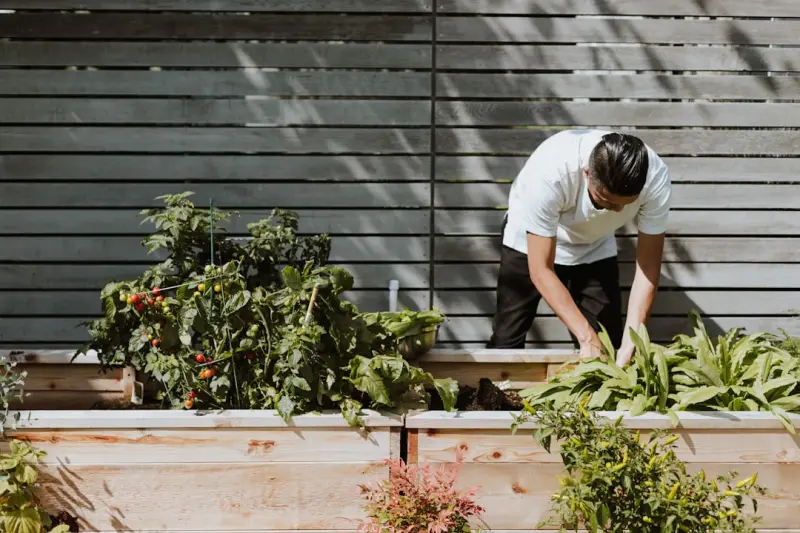
Vertical Edible Gardens: Harvesting Freshness on Your Home Walls
A step‑by‑step guide to building a vertical edible garden in compact homes, blending practical d... Read More
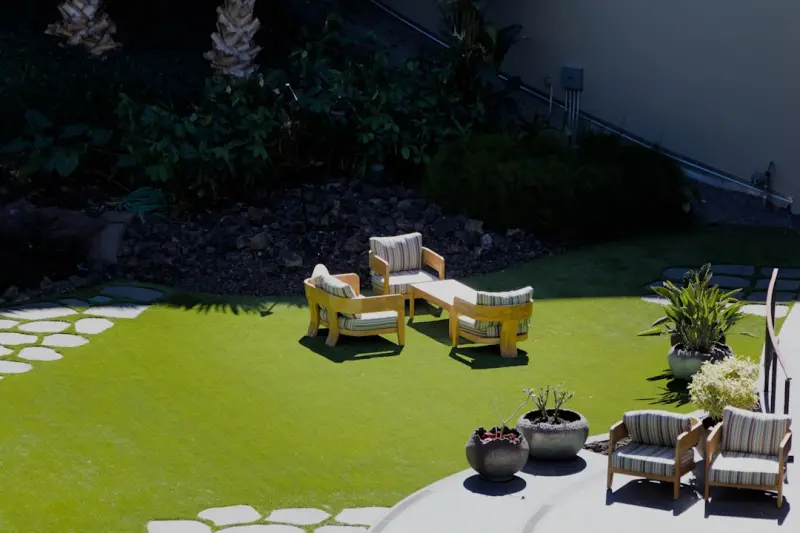
Creating a Multi‑Generational Outdoor Oasis: Design Tips for Every Age
Discover practical tips for building a backyard haven that grows with your family—flexible furnitu... Read More
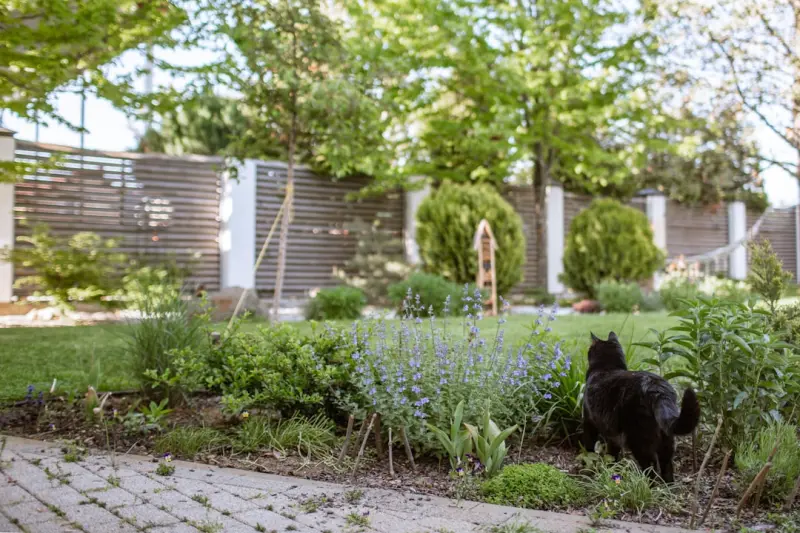
Elevate City Living with a Rooftop Herb Garden
Turn your under‑used rooftop into a fragrant herb haven. Learn practical steps, plant picks, and d... Read More
Top Posts

Scent, Sound, and Skin: Crafting a Multi‑Sensory Personal Care Routine for the Modern Professional
Learn to build a concise, multi‑sensory personal care routine that leverages aroma, audio, and tactile cues to improve focus, lower stress, and enhance overal...Read More

Beyond the Tourist Trail: Crafting Meaningful Journeys Through Unseen Cities
Discover a fresh approach to travel that priorit on cultural immersion, authentic connections, and ethical impact, turning every trip into a meaningful journey....Read More
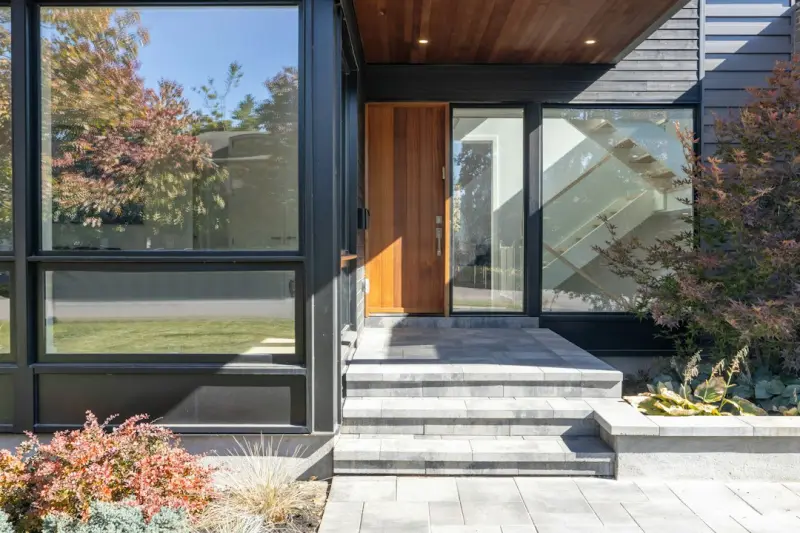
Reclaiming the Front Porch: A Modern Sanctuary for Home & Garden
Discover a step‑by‑step guide to reviving your front porch, turning it into a functional, beautiful extension of your home with sustainable materials, layer...Read More
From My Garden Desk: Jimmy Damon’s Blueprint for the New Era of Employment
Jimmy Damon reveals the secrets behind turning a garden into a high‑productivity, cozy home office—perfect for the modern remote worker seeking balance and ...Read More
0 Comments
Post Comment
You will need to Login or Register to comment on this post!