

When I first heard the phrase “micro‑movement,” I imagined a tiny robot doing a dance in my living room. Turns out, the concept is far more human—and far more powerful. It’s about harvesting the subtle motions we already perform throughout the day and turning them into intentional, health‑boosting actions. No gym membership, no fancy equipment, just a fresh lens on the mundane.
Why Micro‑Movements Matter
Our bodies are built for motion. Evolution wired us to walk, stretch, reach, and recover constantly. Yet modern life has turned many of those natural motions into static habits: sitting at a desk for hours, scrolling on a phone, or binge‑watching a series without a break. The result? muscle stiffness, reduced circulation, and a sluggish metabolism. By re‑introducing micro‑movements, we restore that ancient rhythm, prompting:
- Improved joint lubrication that reduces wear and tear.
- Enhanced blood flow, delivering oxygen and nutrients to muscles and the brain.
- Boosted metabolic signaling, which helps regulate blood sugar and appetite.
- Better posture through frequent, gentle activations of stabilizing muscles.
Think of micro‑movements as a series of tiny “reset buttons” for your nervous system. Each one briefly shifts the balance from sympathetic (stress) to parasympathetic (recovery) mode, giving you a subtle but cumulative health upgrade.
The Science Behind the Tiny
Research in kinesiology and occupational health consistently shows that breaking up prolonged sitting with brief bouts of movement can offset the negative impacts on cardiovascular health and musculoskeletal integrity. A 20‑minute sit‑to‑stand cycle, for example, can improve endothelial function—a key factor in preventing hypertension. Moreover, intentional breathing techniques paired with gentle stretches amplify oxygen delivery, supporting cellular repair and even boosting immune response.
Mapping Micro‑Movements Into Your Day
Below is a practical map that you can overlay onto any routine. The goal isn’t to add extra time but to re‑engineer existing moments.
- Morning wake‑up (0–5 min): While still in bed, perform a spinal roll‑down. Hinge at the hips, let your spine curve, then articulate each vertebra back up. This wakes up the spinal fluid and primes the nervous system.
- Coffee break (5 min): Stand, roll your shoulders back, and do three sets of 10 calf raises. The calf muscle pump is a powerhouse for venous return, especially after a morning of desk work.
- Mid‑afternoon slump (5 min): Incorporate a desk squat. Place a chair behind you, lower into a squat, pause for three seconds, then rise. This activates the glutes and quads, counteracting the “chair‑butt” effect.
- Evening wind‑down (10 min): Dim the lights, engage a sound‑optimized sleep environment, and perform a series of gentle hip circles and thoracic twists. This signals the body that it’s time to transition into restorative mode.
Notice how each micro‑movement is paired with an existing habit—no extra calendar entries required.
Micro‑Movements for Better Sleep
Sleep is the ultimate health metric. Poor sleep ripples into mood, cognition, and metabolic health. While many focus on bedtime rituals, they often overlook the pre‑sleep kinetic preparation. Light, intentional movement before bed can lower heart rate variability, making the descent into sleep smoother.
Try this 7‑minute “pre‑sleep flow”:
- Lie on your back, knees bent, and perform 10 slow “pelvic tilts”.
- Transition to a tabletop position and do 8 “cat‑cow” stretches, syncing breath with motion.
- Finish with 30 seconds of “leg swings”—alternating each leg, gently moving the hips.
Couple the flow with a digital‑free zone for at least 30 minutes before lights out. The combination of micro‑movements and reduced blue‑light exposure creates a powerful cascade toward deep, restorative sleep.
Integrating Micro‑Movements Into the Workplace
Many of us spend the bulk of our waking hours in an office or home‑office setup. Companies are increasingly aware of the cost of sedentary work, but the solutions often feel forced—mandatory yoga classes, standing desks, or “move‑it‑breaks” that feel like interruptions.
Micro‑movements, however, can be woven seamlessly into the workflow:
- Phone calls: Stand up, do a quick set of shoulder rolls before dialing. While on speaker, perform subtle ankle circles.
- Email bursts: Every 20 emails, pause for a 30‑second “desk stretch”—reach overhead, interlace fingers, and gently pull.
- Meeting marathons: Between agenda items, lead a 15‑second “wall slide” where you press your forearms against a wall and slide them up and down.
These tiny gestures keep muscles engaged without breaking concentration. Over time, they contribute to a noticeable reduction in neck tension and lower‑back discomfort.
Micro‑Movement Tools You Already Own
You don’t need a fancy app or a new gadget. Here’s a list of everyday items that become allies in your micro‑movement practice:
- Water bottle: Use it as a light weight for bicep curls while waiting for your brew to steep.
- Phone stand: Position it at eye level, then perform “neck extensions” by gently looking up and down.
- Office chair: Engage the core by sitting tall, then perform “seated leg extensions” one leg at a time.
- Stairs: Instead of the elevator, take one flight, pause at the landing, and do a set of “step‑ups” with the opposite leg.
By repurposing these objects, you reinforce the mindset that health is a series of choices, not a separate activity.
Tracking Progress Without Obsession
If you’re tempted to log every micro‑movement, pause. The beauty of this approach is its low‑maintenance nature. However, a simple check‑in can help you stay accountable:
- At the end of each day, note the number of “movement triggers” you activated (e.g., coffee break, phone call).
- Reflect on any differences you notice—better focus, reduced stiffness, or smoother sleep.
- Adjust the triggers that feel forced; the goal is fluid integration, not a checklist.
Over a few weeks, you’ll likely see a subtle shift: tasks feel less draining, you bounce back quicker after long meetings, and the evening wind‑down becomes genuinely calming.
Beyond the Body: Mental Benefits of Micro‑Movement
Movement is a language the brain understands instinctively. Even a 10‑second stretch can trigger the release of brain‑derived neurotrophic factor (BDNF), a protein that supports neural plasticity. Coupled with the intentional breathing techniques we discussed earlier, micro‑movements become a dual‑action protocol for mental clarity.
Think of it as a “brain‑reset button.” You’re not only loosening tight muscles; you’re also resetting the neural pathways that keep you stuck in stress loops. The result? A more resilient mind that can pivot between focus and creativity with ease.
Personal Story: From Desk‑Bound to Micro‑Movement Advocate
Two years ago, I was the poster child for chronic back pain. My daily routine consisted of a laptop, a coffee mug, and a mountain of spreadsheets. I tried everything—ergonomic chairs, standing desks, even a pricey massage subscription. Nothing stuck.
One rainy afternoon, while waiting for a video to load, I noticed my foot tapping unconsciously. That tiny motion sparked a thought: What if I could amplify that subconscious rhythm? I started setting tiny reminders—every time I heard a notification ping, I’d do a shoulder roll. Within a month, the constant ache in my lower back faded, and I felt a surprising lift in mood.
Now, I’m the unofficial “micro‑movement champion” at my company. I host a 5‑minute “movement huddle” every Thursday, where we share our favorite triggers. The feedback has been overwhelming—colleagues report less eye strain, better sleep, and even a reduction in afternoon cravings. It’s proof that small actions, when consistently applied, can ripple into major health benefits.
Getting Started: Your First Week Blueprint
Ready to test the waters? Here’s a 7‑day plan that blends the concepts above into a manageable routine:
| Day | Micro‑Movement Trigger | Duration |
|---|---|---|
| Monday | Morning spinal roll‑down | 2 min |
| Tuesday | Phone‑call shoulder rolls | 5 min |
| Wednesday | Desk squat before lunch | 3 min |
| Thursday | Pre‑sleep flow | 7 min |
| Friday | Stair step‑up pause | 4 min |
| Saturday | Outdoor walk with ankle circles | 10 min |
| Sunday | Digital‑free zone + sound‑optimized sleep | 30 min+ |
Keep a simple journal—just a line per day noting how you felt. By the end of the week, you’ll have tangible evidence of the impact.
Final Thoughts: The Ripple Effect of Tiny Choices
Micro‑movements remind us that health isn’t a distant destination reserved for the elite. It’s a series of tiny, intentional choices that we can embed into the very fabric of our daily lives. By honoring the body’s innate need for motion, we unlock better posture, deeper sleep, sharper focus, and a resilient mind.
So next time you reach for your coffee, pause. Give your shoulders a roll, stretch your spine, or simply stand and feel the ground beneath you. Those seconds may seem trivial, but they are the building blocks of a healthier, more vibrant you.

Jessica Gills is a freelance writer carving a niche for herself by empowering others through her words. With a focus on careers, self-development, and business, she helps readers navigate the complexities of the modern professional landscape.
Related Posts

Breathing Into Balance: A Pragmatic Guide to Everyday Autonomic Mastery
Explore practical breathwork techniques that activate the parasympathetic nervous system, enhance re... Read More
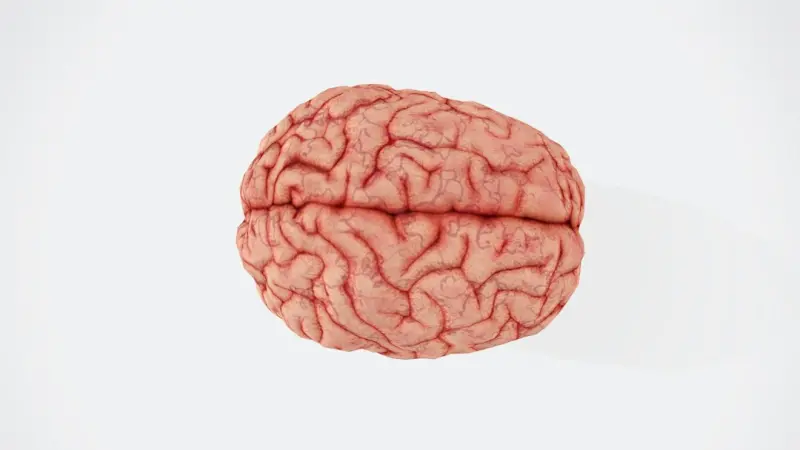
Rebooting Your Brain: The Rise of Cognitive Nutrition for Everyday Health
Learn to treat information like food by curating high‑quality sources, scheduling digestion breaks... Read More
Why Light Is the Missing Piece in Remote‑Work Health
A deep dive into how proper light exposure reshapes circadian rhythms, improves gut health, and elev... Read More
Top Posts

Crafting a Multisensory Personal Care Ritual for Everyday Balance
Discover a fresh approach to personal care that blends light, sound, scent, touch, and breath into a cohesive daily ritual, enhancing relaxation, productivity, ...Read More

Reverse Mentoring: How Younger Employees Can Drive Innovation and Accelerate Their Careers
Explore the power of reverse mentoring—where junior staff guide senior executives—unlocking fresh insights, driving innovation, and accelerating career traj...Read More

Blossoming Careers: How I Turned My Garden Into a Flexible Home Office
Rose shares her journey of turning a backyard garden into a productive, flexible home office, offering practical tips for thriving in today’s remote‑work er...Read More
Micro‑Internships: A Fast‑Track Blueprint for Modern Talent Acquisition
Micro‑internships combine short‑term, project‑focused work with real business impact, offering companies a low‑risk way to assess talent while giving pa...Read More
0 Comments
Post Comment
You will need to Login or Register to comment on this post!