
Why Your Desk Might Be the Quietest Saboteur of Your Gut Health
When I first walked into my new co‑working space, the sleek glass walls and ergonomic chairs felt like a promise of peak productivity. I set up my laptop, opened a spreadsheet, and, without thinking, reached for the same stale bagel I’d been munching on for weeks. It was only weeks later—after a bout of inexplicable bloating and low energy—that I realized my office environment was silently influencing my gut microbiome.
The Microbiome‑Office Connection: A Science‑Backed Overview
The human gut hosts trillions of microbes that regulate digestion, immunity, mood, and even cognition. While diet, sleep, and genetics are well‑known influencers, emerging research shows that the physical environment where we spend most of our waking hours can shift microbial diversity in subtle yet meaningful ways. Here’s a quick snapshot of the mechanisms at play:
- Air Quality: Poor ventilation introduces volatile organic compounds (VOCs) and airborne microbes that can alter the gut‑lung axis, potentially triggering inflammatory gut responses.
- Lighting: Blue‑rich artificial light suppresses melatonin, which not only disrupts sleep but also impairs the gut’s circadian rhythm, affecting bacterial growth cycles.
- Temperature & Humidity: Consistently cool, dry offices favor skin and respiratory microbes that may indirectly influence gut flora via immune signaling.
- Surface Microbial Load: High‑touch areas—doorknobs, keyboards, coffee mugs—act as vectors for microbial exchange, sometimes introducing pathogens that upset gut balance.
- Noise & Stress: Chronic low‑level noise spikes cortisol, which can increase intestinal permeability (“leaky gut”) and shift microbial populations toward dysbiosis.
Personal Data Dive: Tracking My Office‑Induced Gut Shifts
To move beyond anecdote, I equipped myself with a wearable that monitors heart‑rate variability (HRV) and skin conductance—two reliable stress proxies. I also started a simple stool‑tracking journal, noting texture, frequency, and any unusual sensations. Over a six‑week period, I alternated between three distinct work settings:
- Open‑Plan Tech Hub – high ceiling, shared desks, constant chatter.
- Quiet Private Office – individual room, controlled lighting, air purifier.
- Home Workspace – kitchen table, natural light, pet‑friendly.
The data painted a clear picture:
- During weeks in the open‑plan hub, my HRV dipped by an average of 12 % and I reported two days of “gut‑gurgle” discomfort per week.
- In the quiet private office, HRV rose 8 % and my stool consistency settled into a consistent, healthy range (type 3–4 on the Bristol scale).
- Working from home yielded the best outcomes, likely due to flexible posture, fresh air, and the comforting presence of my dog.
These observations echo findings from a study on breathing techniques that reduce stress and boost immunity. When stress levels fall, the gut‑brain axis stabilizes, allowing beneficial microbes to flourish.
Practical Office Tweaks to Nurture Your Gut
Below are evidence‑based adjustments you can implement without a full office redesign. Each tweak targets one of the mechanisms listed earlier, creating a cumulative protective effect for your microbiome.
1. Optimize Air Flow and Purification
• Introduce plants. Spider plants, snake plants, and peace lilies are natural air filters that absorb VOCs and release oxygen.
• Use a portable HEPA filter. Position it near your desk to capture airborne microbes and dust.
• Schedule regular window breaks. Even 5‑minute “air vents” each hour can refresh indoor CO₂ levels, which correlates with better gut motility.
2. Tame the Light Spectrum
• Invest in a tunable desk lamp. Shift from cool blue in the morning to warm amber in the evening to support melatonin production.
• Apply a low‑blue screen filter after 3 PM. Many software tools let you adjust color temperature automatically.
• Consider a light‑therapy box. If your office lacks natural windows, a 10‑minute session in the morning can reset circadian cues for both brain and gut.
3. Balance Temperature & Humidity
• Maintain indoor humidity between 40–60 %. Small humidifiers or moisture‑balancing plants can prevent overly dry air that irritates mucosal linings.
• Dress in layers. A lightweight cardigan lets you adapt to subtle temperature shifts, avoiding prolonged exposure to cold air that can stress the gut.
• Try brief “cold exposure” breaks. A quick 30‑second cold splash at the desk, inspired by cold therapy research, can boost circulation without causing the prolonged chill that harms digestion.
4. Reduce Surface‑Based Microbial Transfer
• Sanitize high‑touch items daily. Use alcohol‑based wipes on keyboards, mice, and phone screens.
• Adopt a “no‑hand‑to‑face” rule. Simple mindfulness reduces ingestion of unwanted microbes.
• Bring personal, antimicrobial desk accessories. Bamboo mats and copper pen holders naturally limit bacterial growth.
5. Manage Noise and Stress
• Leverage noise‑cancelling headphones. Curate playlists of ambient sounds (rain, low‑frequency hum) to mask office chatter.
• Integrate micro‑movement breaks. A 2‑minute stretch or a few deep diaphragmatic breaths every hour lowers cortisol spikes.
• Practice “grounding” techniques. Standing on a rug and feeling the texture can activate the parasympathetic nervous system, soothing gut nerves.
Food Choices in the Office: More Than Calories
Even with a pristine environment, the foods you bring to work can either support or sabotage the microbial community you’re trying to protect. Here are three gut‑friendly strategies that fit a busy professional schedule:
- Prebiotic Snacks. Opt for raw carrots, chicory root chips, or a small serving of oats. Prebiotics feed beneficial bacteria, especially important when stress reduces their natural food sources.
- Fermented Mini‑Meals. A portable kefir bottle or a few slices of tempeh add live cultures directly to your gut.
- Polyphenol‑Rich Beverages. Green tea, hibiscus, and even a splash of dark‑fruit juice deliver antioxidant compounds that modulate microbial diversity.
The Role of Social Interaction: Microbial Exchange Among Colleagues
Human contact is a double‑edged sword for the gut. While close proximity can spread pathogens, it also facilitates the exchange of beneficial microbes. Studies show that coworkers who share meals or engage in brief “wellness circles” (standing together for a 5‑minute guided breathing session) experience a modest rise in microbial diversity. The key is intentionality—choose low‑risk, high‑reward interactions.
Designing a “Gut‑Friendly” Workspace: A Mini‑Blueprint
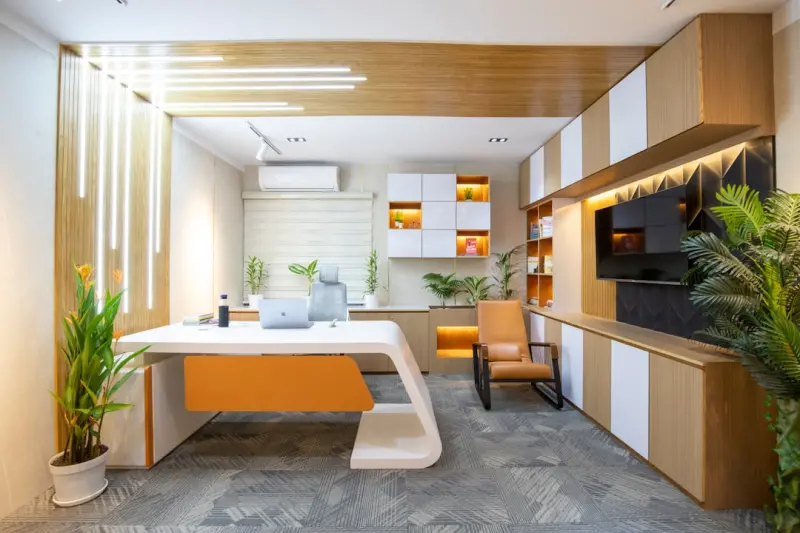
Imagine walking into a room that feels like a quiet forest clearing, not a sterile cubicle farm. Below is a simplified layout that aligns with the microbiome principles discussed:
| Zone | Feature | Microbiome Benefit |
|---|---|---|
| Desk Area | Adjustable sit‑stand desk + HEPA filter | Improves circulation, reduces airborne irritants |
| Lighting Corner | Tunable LED lamp + small daylight lamp | Supports circadian rhythm, melatonin production |
| Plant Cluster | Snake plant, peace lily, small herb pot | Purifies air, adds natural microbiota |
| Hydration Station | Filtered water pitcher + probiotic tea options | Encourages prebiotic fluid intake |
| Quiet Nook | Noise‑cancelling headphones + soft rug | Reduces stress‑induced gut permeability |
Measuring Success: What Metrics Matter?
Implementing these changes can feel abstract without tangible feedback. Here are three practical metrics you can track:
- HRV Trends. Use a wearable to monitor nightly averages; a rise of 5‑10 % often signals reduced stress.
- Stool Consistency Log. Consistency (Bristol scale) and frequency reflect gut health; aim for type 3–4, 1–2 times daily.
- Energy & Mood Rating. A simple 1‑10 self‑assessment each afternoon can highlight subtle improvements linked to microbiome balance.
When you see upward trends across these markers, you have empirical proof that your office environment is becoming a gut‑friendly ally.
Future Outlook: The Rise of Microbiome‑Aware Offices
Forward‑thinking companies are already piloting “bio‑adaptive” workspaces. Sensors that detect CO₂, humidity, and even microbial load feed data into smart HVAC systems, adjusting ventilation in real time. Some startups are developing “microbiome‑friendly” office furniture coated with antimicrobial yet probiotic‑supporting materials. While widespread adoption may take years, early adopters gain a competitive edge—healthier employees are more focused, creative, and resilient.
Takeaway Checklist
- Audit air quality: add plants, use HEPA, schedule window breaks.
- Adjust lighting: shift from blue to amber in the afternoon.
- Balance temperature/humidity: keep humidity 40‑60 % and dress in layers.
- Sanitize surfaces: daily wipes, personal antimicrobial accessories.
- Manage noise: headphones, ambient sound, micro‑movement breaks.
- Choose gut‑friendly snacks: prebiotic, fermented, polyphenol‑rich.
- Foster low‑risk social microbiome exchange: shared meals, brief wellness circles.
- Track HRV, stool consistency, and mood to gauge progress.
By treating your office as an extension of your body rather than an isolated workstation, you can transform a hidden stressor into a catalyst for thriving gut health. The next time you settle into that ergonomic chair, remember: the air you breathe, the light you see, and the microbes you touch all whisper to your gut. Listen, adjust, and watch your wellbeing take root.

Tyler Johnson is a seasoned freelance writer with a keen eye for detail and a passion for crafting compelling narratives. His years of experience have honed his ability to adapt his style to suit diverse client needs and project requirements.
Related Posts

How Pocket Forests in the Office Reset Stress and Boost Performance
A deep dive into the health benefits of pocket forests at work, with practical steps, tech integrati... Read More

Nurturing Your Inner Ecosystem: A Fresh Take on Gut Health
Explore a fresh perspective on gut health, from feeding beneficial bacteria to debunking myths, and ... Read More

Nurturing Your Gut Microbiome for Better Mood and Energy
Learn how a balanced gut can enhance mood, energy, and creativity through simple dietary swaps, mind... Read More
Top Posts
AI Decision‑Fatigue Antidote: Streamline Your Choices
Learn how AI can act as a personal curator, reducing decision fatigue by pre‑filtering choices, automating low‑level decisions, and freeing mental bandwidth...Read More

Creating a Backyard Fire Pit Lounge: Design, Safety, and Atmosphere
Discover step‑by‑step design, safety, and styling tips to turn any yard into a welcoming fire‑pit lounge perfect for year‑round gatherings....Read More

Why Sabbaticals Could Be Your Company’s Secret Weapon
A deep dive into how offering paid sabbaticals can improve retention, unleash new ideas, and strengthen employer brand, with practical steps to design and measu...Read More

Harvesting Harmony: Building a Vertical Herb Wall in Your Urban Home
Discover how a simple vertical herb wall can transform a small apartment into a thriving green oasis, offering fresh herbs, cleaner air, and a daily dose of wel...Read More
0 Comments
Post Comment
You will need to Login or Register to comment on this post!