
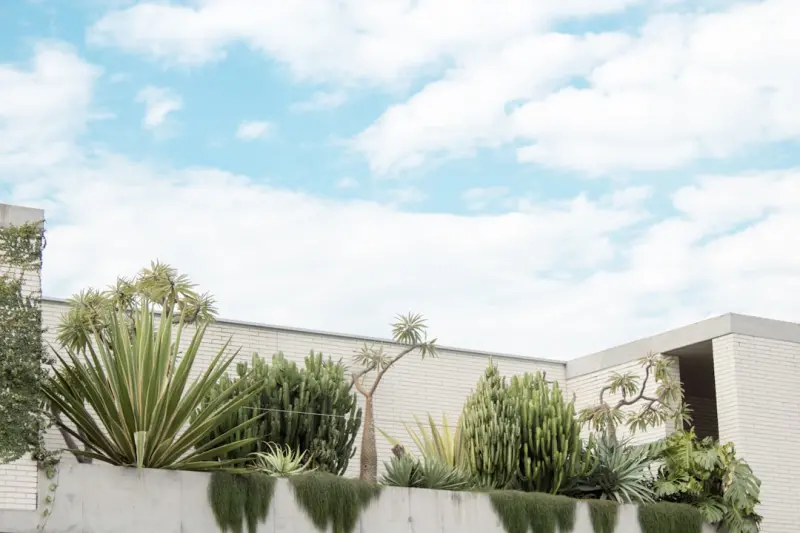
Finding Freedom in a Minimalist Garden
When I first stepped onto a lawn that looked like a curated white‑board, I felt an unexpected surge of calm. The absence of visual noise invites the mind to breathe, turning a simple patch of earth into a sanctuary for the senses. Minimalism in the garden isn’t about stripping away life; it’s about curating each element so it earns its place, much like a well‑edited paragraph that says exactly what it means. By embracing this philosophy, homeowners can transform overgrown chaos into a purposeful, serene backdrop that supports both mental wellness and aesthetic clarity.
Start With Intent: Defining the Garden’s Purpose
The first step toward a minimalist outdoor space is to ask yourself a single, guiding question: what do I want this garden to do for me? Whether it’s a quiet reading nook, a low‑maintenance herb corner, or a place for kids to explore safely, the answer will shape every decision that follows. Write this purpose down and keep it visible; it becomes a compass when you’re tempted to add decorative trinkets that don’t serve a functional or emotional role. By anchoring the design in intention, you naturally prune away superfluous plants, ornaments, and pathways, allowing the garden to breathe and evolve organically.
Curating a Simple Plant Palette
A minimalist garden thrives on a restrained palette of plants that complement each other in texture, form, and seasonal interest. Choose a handful of native species that demand minimal water, resist local pests, and return to the soil year after year. For example, ornamental grasses such as Calamagrostis offer airy movement, while low‑grown succulents like Sedum provide subtle foliage contrast. Pair these with a single flowering accent—perhaps a clump of Echinacea—to introduce color without overwhelming the senses. This curated approach reduces maintenance, encourages biodiversity, and creates a cohesive visual rhythm that feels intentional rather than accidental.
Layout: Geometry Meets Negative Space
In minimalist design, layout is as important as the plants themselves; it’s the invisible hand that guides the eye. Employ simple geometric shapes—rectangles, circles, or even a single long line—to delineate planting beds, pathways, and gathering spots. Use negative space deliberately; a patch of bare soil can be as powerful as a blooming bed, offering a visual pause that accentuates surrounding elements. Below is a quick checklist to keep the design disciplined:
- Define one primary axis that runs through the garden.
- Limit pathways to two or three clean lines.
- Reserve at least 30% of the area as open, unplanted space.
- Repeat shapes or material motifs to reinforce unity.
By adhering to these principles, you create a garden that feels ordered yet inviting, where each element has room to be noticed without competing for attention.
Soil, Mulch, and the Art of Subtle Texture
Even the most restrained garden benefits from thoughtful ground cover. A light layer of coarse bark mulch or river rock not only suppresses weeds but also adds texture that complements the sleek plant forms above. Consider using a thin, permeable geotextile under the mulch to improve drainage while keeping the soil structure intact—a subtle detail that pays dividends during wet seasons. When you choose soil amendments, opt for organic compost that enriches the earth without introducing aggressive nutrients that could spur unwanted growth. This balanced approach ensures that the garden’s foundation remains as calm and predictable as the design above it.
Integrating Functional Features Without Overcrowding
Functionality should be woven into the garden’s fabric, not tacked on as an afterthought. A modest bench made of reclaimed wood, placed at the end of a straight pathway, offers a place to pause while reinforcing the geometric theme. Water features, if desired, should be simple—a shallow stone basin with a subtle recirculating pump can provide the gentle sound of flowing water without dominating the space. Lighting, too, can be kept low‑key: install warm LED strips along the edges of pathways or spotlights that highlight a single sculpture. Each addition must answer the “why” you asked earlier, ensuring that the garden remains purposeful and uncluttered.
Smart, Sustainable Practices for a Minimalist Yard
Even the most minimalist garden can benefit from technology that enhances sustainability without adding visual complexity. A modest smart irrigation system can deliver water directly to the root zones of your selected plants, cutting waste and reducing the need for frequent manual watering. Pair this with rain barrels positioned discreetly behind a low fence to capture runoff for later use, further decreasing reliance on municipal water. These subtle systems operate quietly in the background, allowing the garden’s visual simplicity to remain untouched while still embracing eco‑friendly practices.
Vertical Solutions When Ground Space Is Precious
For urban homes or small yards, vertical gardening offers a graceful way to add greenery without expanding the footprint. Rather than a sprawling trellis, consider a sleek, wooden slat wall that supports a few carefully chosen climbers—think fragrant lavender or compact clematis. This approach adds height and interest while keeping the garden’s horizontal lines clean and organized. If you need inspiration on how to integrate vertical elements without disrupting the minimalist aesthetic, the guide on vertical gardening provides practical tips and design ideas that align perfectly with a restrained style.
Maintenance Mindset: Caring for Simplicity
Maintaining a minimalist garden is less about constant labor and more about mindful stewardship. Schedule a quarterly check‑in to prune back any wayward growth, refresh mulch, and assess soil health—this brief ritual keeps the space tidy without overwhelming you. Embrace the philosophy that “less is more” in your maintenance routine: a single, well‑timed trim can preserve the garden’s shape better than frequent, hasty cuts. As you tend to the garden, notice how the reduced clutter invites deeper observation and a slower pace, turning a simple outdoor area into a daily practice of calm and clarity. When you let the garden mirror your intention, it becomes a living extension of the minimalist lifestyle you cherish.

When it comes to the world of blogging and writing, Rose DesRochers is a name that stands out. Her passion for creating quality content and connecting with her audience has made her a trusted voice in the industry. Aside from her skills as a writer and blogger, Rose is also known for her compassionate nature.
Related Posts
From Drab to Dreamy: Turning Your Backyard Shed Into a Creative Oasis
A step‑by‑step guide shows how to convert a neglected shed into a bright, multi‑functional oas... Read More
Turning Your Backyard Into a Productive Sanctuary
Explore how a simple garden desk can revitalize your home, blend work with nature, and enhance healt... Read More
From Trash to Treasure: Upcycling Everyday Items into Garden Art and Function
Learn practical, budget‑friendly ways to turn discarded objects into beautiful, functional garden ... Read More
Top Posts

The Mini‑Movement Method: Boosting Health One Small Step at a Time
Learn the Mini‑Movement Method, a practical approach that uses short, purposeful activity bursts throughout the day to improve circulation, metabolism, and me...Read More

The Art of Sensory Travel: Mapping Memories Beyond Photos
Learn to travel with all five senses, creating a sensory diary that captures smell, sound, taste, touch, and sight for richer, lasting memories....Read More

Your AI Decision Coach: Turning Choices into Confidence
Learn how an AI decision coach can ease decision fatigue, tailor suggestions to your life, and blend human intuition with machine insight for smarter everyday c...Read More
Cultivating an Outdoor Reading Oasis: Garden Book Nook Ideas
Learn to transform any garden corner into a cozy outdoor reading oasis with tips on placement, seating, plant choices, weather‑proofing, lighting, and persona...Read More
0 Comments
Post Comment
You will need to Login or Register to comment on this post!