
The Mini‑Movement Method: Boosting Health One Small Step at a Time
When I first started logging my days, I was shocked to see that I spent roughly nine‑plus hours sitting. It wasn’t just the office chair; it was the couch, the car, even the bed where I’d scroll mindlessly before sleeping. The numbers were a wake‑up call, but the solution felt overwhelming. “Exercise more,” the experts said, as if a single 45‑minute gym session could counteract a day’s worth of inertia.
That’s where the Mini‑Movement Method entered my life. Instead of chasing marathon‑length workouts, I began to sprinkle intentional, bite‑sized bursts of movement throughout my day. The result? A noticeable lift in energy, sharper focus, and a calmer mind—without the guilt of “missing a workout.” Below is the science, the mindset, and the step‑by‑step playbook that turned my sedentary routine into a kinetic tapestry.
Why Tiny Movements Matter
Modern research increasingly shows that the human body thrives on regular, low‑intensity activity. When we sit for long periods, several physiological processes stall:
- Blood flow slows, especially to the lower extremities, increasing the risk of clot formation.
- Insulin sensitivity drops, nudging us toward metabolic syndrome if the pattern persists.
- Neurotransmitter release—especially dopamine and norepinephrine—diminishes, which can exacerbate feelings of fatigue and low motivation.
- Brain‑derived neurotrophic factor (BDNF) production dips, reducing the brain’s capacity for plasticity and learning.
Brief activity spikes—think 30‑second standing stretches, a quick hallway march, or a set of desk‑side squats—reactivate these systems without demanding a full‑blown training session. The cumulative effect is a steady stream of physiological “reset buttons” that keep the body and mind humming.
Science Backs the Mini‑Movement Model
Several peer‑reviewed studies have examined the “fidget‑factor.” A 2019 Journal of Applied Physiology paper found that three minutes of light activity every hour restored glucose metabolism to baseline levels seen in continuously active participants. Another investigation published in Psychology of Sport and Exercise linked short movement breaks to a 12% boost in immediate cognitive performance, measured by reaction‑time tasks.
In practice, this translates to a simple formula:
Movement minutes per hour × Number of active hours = Daily movement dose
Even a modest 2‑minute burst every 30 minutes yields 16 minutes of movement—a figure that, while far from the traditional 150‑minute weekly recommendation, still delivers measurable health dividends.
Building Your Mini‑Movement Routine
Below is a flexible framework you can adapt to any environment—office, home, co‑working space, or even a crowded café. The key is consistency, not intensity.
- Desk‑Anchored Activation (Every 45‑60 minutes)
- Stand, roll shoulders back, and reach overhead for 30 seconds.
- Do 10 calf raises while waiting for a download to finish.
- Perform a set of 8–10 body‑weight squats.
- Hallway Sprint (Twice a day)
- Walk briskly to the kitchen, then return, adding a light jog for the first 10 meters.
- If you have stairs, climb them twice—up and down—at a comfortable pace.
- Kitchen Dance Break (During coffee prep)
- Put on a favorite 45‑second song snippet and sway, twist, or shimmy while the kettle boils.
- This not only moves muscles but also lifts mood via music‑induced dopamine.
- Window‑Side Stretch (After a meeting)
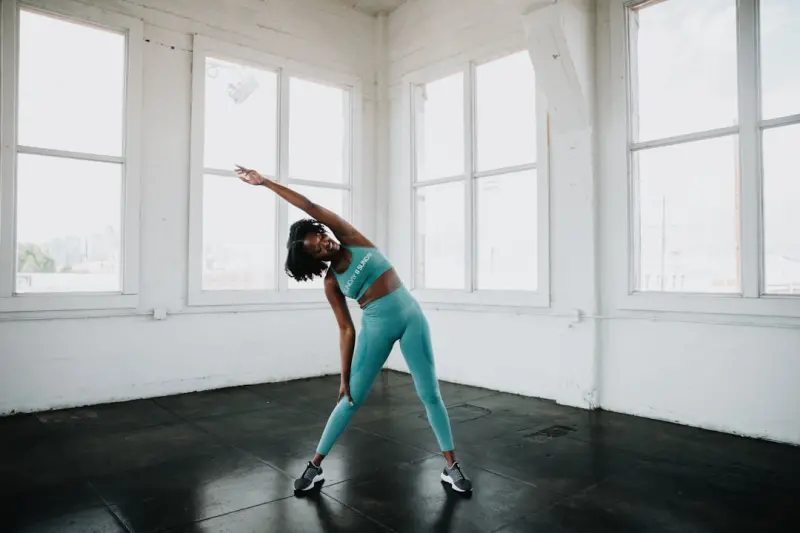
- Step to a window, inhale deeply, and stretch arms overhead, feeling the chest open.
- Hold for five breaths, then fold forward to release the lower back.
- Evening Wind‑Down Circuit (Before bed)
- Five gentle yoga poses—Cat‑Cow, Child’s Pose, Seated Forward Fold, Supine Twist, and Legs‑Up‑The‑Wall.
- This sequence signals the nervous system to shift into parasympathetic mode, easing into sleep.
Notice the pattern: each movement is purposeful, brief, and anchored to a routine cue (e.g., “after a meeting”). Cue‑based habits are far more likely to stick, as they piggy‑back on existing behaviors.
Mind‑Body Synergy: Pairing Movement with Mental Practices
Movement alone is powerful, but when paired with mental resets, its impact compounds. Two practices I’ve woven into my day are deliberate digital breaks and structured daydreaming. Here’s how they intersect with mini‑movements:
- Digital Break + Stretch: Every time you step away from the screen, stand, roll your shoulders, and take three deep breaths. The physical shift interrupts the visual overload and reduces eye strain.
- Daydreaming + Walk: While you’re strolling down the hallway, let your mind wander to a problem you’re solving. Research shows that light physical activity frees the default mode network, enhancing creative insight.
These combos create a feedback loop: movement refreshes the nervous system, which then allows mental practices to flow more freely, and the resulting mental clarity encourages you to move more.
Customizing for Different Workstyles
Not everyone works at a traditional desk. Remote freelancers, field technicians, and creative artists all have unique constraints. Below are adaptation tips:
- Remote Freelancer (Home Office)
- Place a yoga mat in front of your monitor. Every time you finish a client call, do a 2‑minute floor flow.
- Set a timer on your phone for “movement alerts” and pair it with a quick stretch routine.
- Field Technician (On‑Site)
- Use equipment set‑up and takedown as natural movement opportunities—add a calf raise each time you lift a tool.
- During travel between job sites, park a few spots farther away and walk the extra distance.
- Creative Artist (Studio)
- Integrate “paint‑while‑you‑move” moments: walk around the canvas, stretch your arms wide, and let the motion inspire brush strokes.
- Play ambient music at a low volume and sync body sways to the rhythm during brainstorming sessions.
Tracking Progress Without Obsession
Many of us are tempted to use fitness trackers to count steps. While data can be motivating, the Mini‑Movement Method thrives on qualitative awareness rather than quantitative perfection. Here’s a low‑tech tracking approach:
- Movement Log: Keep a simple notebook with timestamps and brief notes (e.g., “10:30 am – hallway sprint, felt energized”).
- Energy Check‑In: At the end of each day, rate your overall energy on a 1‑10 scale. Over weeks, you’ll see a trend upward as movement accumulates.
- Weekly Review: Identify the cues that worked best and refine those that didn’t. This iterative loop ensures the habit stays aligned with your workflow.
Addressing Common Concerns
“I don’t have time.” The method is built for time‑starved schedules. Each burst is under a minute—less than the time it takes to scroll a social feed.
“I’m not athletic; I’ll look foolish.” Mini‑movements are private and low‑key. A simple calf raise in a conference room is hardly noticeable, yet it delivers physiological benefits.
“Will this replace my regular workouts?” No. Think of mini‑movements as a foundation that keeps your body primed for more structured exercise. If you can add a 30‑minute jog on the weekend, you’ll notice you recover faster thanks to the daily activation.
Beyond the Body: Social Ripple Effects
When you start moving more, you often inspire colleagues or family members. A quick “stand‑up stretch” in a meeting can become a cultural norm, reducing collective fatigue. In my own office, we now have a “move‑minute” at the top of every hour—no agenda, just a collective stretch. The atmosphere shifted from “tired” to “engaged.”
Wrapping Up: Your Invitation to Try the Mini‑Movement Method
Health isn’t a single event; it’s an accumulation of tiny choices. By integrating purposeful, brief bursts of activity into the rhythm of your day, you create a cascade of benefits—better circulation, sharper cognition, steadier mood, and a more resilient metabolism. Pair these movements with mental resets like deliberate digital breaks and structured daydreaming, and you’ll discover a synergy that transforms how you feel, think, and perform.
So set that timer, stand up, stretch, and let each mini‑movement be a reminder that your health is always within reach—one small step at a time.

Paul Flynn is a versatile freelance writer equipped with a diverse skillset and a portfolio that reflects his wide-ranging interests and expertise. From crafting compelling website copy and engaging blog posts to delivering in-depth articles and meticulously researched reports, Flynn demonstrates a remarkable ability to adapt his writing style to suit various audiences and purposes.
Related Posts
Unlocking Health: How Simple Breathwork Can Transform Your Daily Well‑Being
A practical guide to using conscious breathing for stronger immunity, calmer mind, and higher daily ... Read More

Playful Prescriptions: How Fun Fuels Health and Performance
A fresh look at health shows that playful activities aren’t just child’s play—they’re powerf... Read More

Recharging Your Body’s Bio‑Circuit: Light, Motion, and Sound for Everyday Resilience
Discover a practical framework that blends daylight exposure, micro‑movement habits, and soothing ... Read More
Top Posts
Chronobiology Meets Personal Care: Syncing Your Routine with Your Body Clock
Discover how to tailor cleansing, hydration, and active treatments to your body’s natural rhythms, turning daily routines into science‑backed self‑care ri...Read More

Cultivating Productivity: Rose DesRochers’ Guide to the Garden Desk Revolution
Rose DesRochers shares her personal journey, design tips, and future trends for garden desks, showing how green workspaces boost creativity and balance home lif...Read More

How Jet Lag Can Supercharge Your Creativity and Decision‑Making
Jet lag isn’t just a hassle; it’s a brain‑reset that can spark fresh ideas. Learn how to use the temporary disorientation of crossing time zones to boost ...Read More
Natural Air Refresh: Simple DIY Strategies for a Healthier Home
Learn practical, low‑cost ways to improve indoor air quality using plants, herb infusions, DIY charcoal filters, and seasonal scent rotations for a fresher, h...Read More
0 Comments
Post Comment
You will need to Login or Register to comment on this post!