
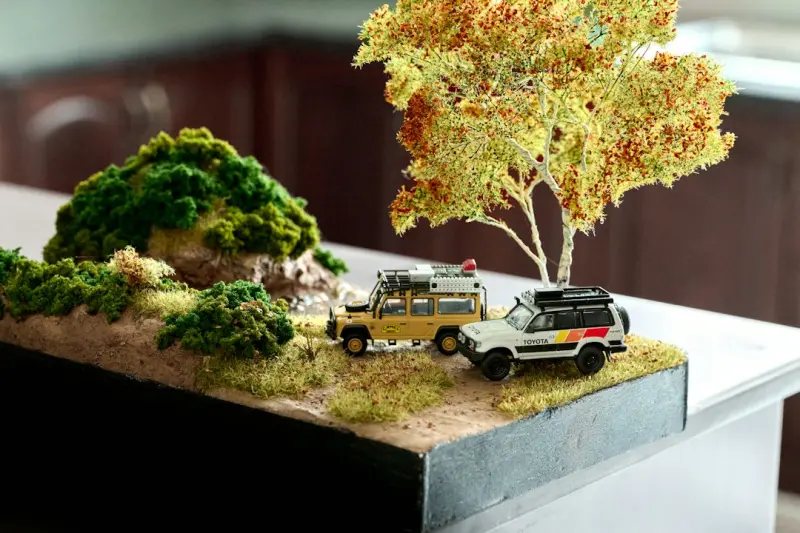
Why a Miniature Indoor Forest Could Be Your Next Home Upgrade
When I first walked into a friend’s apartment and saw a wall draped in lush, emerald moss, I felt an instant pull. It wasn’t just the visual impact; there was a subtle scent of earth, a faint whisper of humidity, and a feeling that the space had been given a breath of life. That moment sparked a fascination that has grown into a full‑blown project: creating a miniature indoor forest that works even in the coziest city flats. In this post, I’ll walk you through the why, the what, and the how of building your own indoor forest—right from selecting the right substrates to curating a palette of textures that keep the space thriving year after year.
The Science Behind Bringing the Outdoors In
Before we dive into the design details, it helps to understand why indoor greenery does more than just look pretty. Studies show that exposure to natural elements can lower cortisol levels, improve concentration, and even boost creativity. The concept, often called “biophilic design,” taps into our innate desire to connect with nature. By recreating a slice of a forest inside your home, you’re not only adding aesthetic value—you’re also crafting a personal sanctuary that supports mental clarity and emotional balance.
Choosing the Right Canvas: Walls, Shelves, or Freestanding Frames?
The first decision is where your forest will live. Each option has its own set of advantages:
- Vertical wall panels: Ideal for maximizing green space in small rooms. A single wall can become a living artwork.
- Shelf installations: Perfect if you enjoy a modular approach. You can rearrange pots and mosses as seasons change.
- Freestanding frames: Great for renters who need something that can be moved without leaving marks.
My personal favorite is a shallow, reclaimed wooden frame that leans against a corner. It’s low‑maintenance, portable, and adds a rustic touch that resonates with my love for repurposed materials.
Substrate Secrets: The Foundation of a Healthy Forest
Unlike traditional houseplants that thrive in potting mix, a moss wall or miniature forest often relies on a specially formulated substrate. Here’s a simple recipe that works for most indoor species:
- Mix one part peat moss with one part coconut coir. This blend holds moisture without becoming soggy.
- Add a handful of perlite to improve aeration.
- Incorporate a thin layer of activated charcoal to prevent odor buildup.
- Finish with a top layer of fine decorative stones for visual texture.
Spread the mixture evenly across your chosen canvas, keeping the depth between 1½ and 2 inches. Too deep, and water will pool; too shallow, and the plants won’t anchor properly.
Selecting Your Forest Residents
When building a miniature indoor forest, diversity is key. Mix low‑light tolerant species with those that enjoy a bit more sunshine to create depth and interest. Below are some of my go‑to choices:
- Sheet moss (Hypnum spp.) – The classic star of any moss wall; it spreads quickly and offers a velvety backdrop.
- Club moss (Selaginella) – Adds delicate, fern‑like fronds that bring a sense of motion.
- Fiddle‑leaf fig cuttings – For a splash of bold, architectural foliage.
- Air plants (Tillandsia) – Perfect for vertical accents; they don’t need soil and can be attached directly to the substrate.
- Miniature ferns (Nephrolepis) – Provide a soft, feathery texture that contrasts nicely with the dense moss.
When selecting plants, consider the light levels in the room. If you have a north‑facing window, stick to shade‑loving species. For brighter spaces, you can introduce a few light‑hungry plants and use a low‑intensity LED grow light to balance the spectrum.
Lighting: Mimicking Dappled Sunlight
One of the biggest challenges in indoor forest design is reproducing the gentle, dappled sunlight that a forest floor receives. A full‑spectrum LED strip placed a few inches above the substrate can create a soft wash of light. Set the timer to mimic natural daylight cycles—about 10‑12 hours of light, gradually dimming in the evening. This not only keeps your plants healthy but also adds a calming ambiance that shifts with the time of day.
Watering Wisely: The Art of Mist and Moisture
Over‑watering is a common pitfall. Instead of a traditional watering can, opt for a misting bottle. Light, frequent misting keeps the moss hydrated without drowning the roots. As a rule of thumb, aim for a mist once daily during the first two weeks, then taper off to every 2‑3 days once the ecosystem stabilizes. If you notice any brown patches, it’s a sign of dryness—just increase the mist frequency.
Integrating Natural Elements: Stones, Driftwood, and Beyond
To truly capture the essence of a forest floor, incorporate natural accessories:
- River stones: Varying sizes add visual interest and help retain moisture.
- Driftwood slices: Offer a rustic touch and act as mini trellises for climbing vines.
- Hand‑crafted terracotta pots: Use them as focal points for larger plant specimens.
These elements also create micro‑habitats for beneficial insects like springtails, which help control mold and keep the ecosystem balanced.
Maintenance Routine: Keeping the Forest Thriving
Maintaining a miniature indoor forest isn’t a set‑and‑forget project. A simple weekly routine will keep your green sanctuary vibrant:
- Inspect: Look for any signs of mold, pests, or discoloration.
- Trim: Gently prune overgrown fronds to maintain shape and airflow.
- Re‑mist: Adjust misting based on ambient humidity.
- Refresh substrate: Every six months, lightly loosen the top layer and add a thin sprinkle of fresh peat moss.
Think of this as a meditative ritual—something you can look forward to after a busy day.
Creating a Narrative: Storytelling Through Plant Placement
One of the most rewarding aspects of an indoor forest is the opportunity to tell a story with your plants. I like to arrange my moss in a sweeping “river” that winds around a cluster of ferns, symbolizing a hidden woodland stream. Then I place a single, striking fiddle‑leaf fig cutting as a “tree” that stands tall above the understory. This narrative approach transforms a simple green wall into a living illustration that invites curiosity and conversation.
Technology Meets Nature: Smart Sensors for the Modern Gardener
Even though I’m championing a low‑tech, nature‑first approach, a discreet humidity sensor can be a game‑changer. Devices that sync with your phone can alert you when the environment drifts outside the optimal range (40‑60% humidity). Pair this with an automated misting system that activates only when needed, and you have a hybrid solution that respects both the organic rhythm of the forest and the convenience of modern living.
Budget‑Friendly Alternatives: DIY Projects That Won’t Break the Bank
Not everyone wants to splurge on specialty substrates or high‑end LEDs. Here are a few cost‑saving tips:
- Use reclaimed wood pallets as the base frame—many are available for free at local stores.
- Harvest moss from shaded areas of your own yard (with permission) and rinse it before use.
- Swap out expensive grow lights for a string of warm‑white LED bulbs placed on a nearby shelf.
- Collect rainwater in a small container for misting; it’s softer than tap water and often free.
These tweaks keep the project accessible while still delivering that immersive forest feel.
Bringing the Whole Home Into the Forest Experience
Once your indoor forest is established, consider extending the vibe to adjacent spaces. A simple DIY air‑purifying hack can amplify the health benefits, while a seasonal decor rotation can keep the environment fresh and aligned with the changing outdoors.
Final Thoughts: Your Personal Green Retreat
Building a miniature indoor forest is more than a decorative trend; it’s an invitation to nurture a living, breathing piece of nature within the confines of your home. The process teaches patience, rewards consistency, and ultimately offers a quiet sanctuary you can retreat to at any moment. Whether you live in a high‑rise apartment or a suburban cottage, a small forest can fit seamlessly into your space, providing a daily dose of calm, beauty, and connection to the natural world.

Melanie Wilson, Freelance writer with a flare for everything. I am passionate about topics I write crafting stories and compelling content that connect with audiences. Journeying through the realms of creativity as a freelance creator. #WriterLife #ContentCreator
Related Posts
Why Your Backyard Needs a Garden Desk Now
Explore the rise of garden desks and how they blend work, nature, and design to create a vibrant, pr... Read More

Cultivating a Backyard Wildlife Oasis: Simple Steps for Every Homeowner
Discover a step‑by‑step guide to transforming a modest backyard into a vibrant wildlife oasis, u... Read More
Designing an Outdoor Living Room That Feels Like an Indoor Retreat
Discover how to turn any patio into a year‑round outdoor living room with modular furniture, smart... Read More
Top Posts
Seasonal Home Refresh: Simple Swaps to Keep Your Space Fresh
Learn how to effortlessly revitalize your home each season with smart lighting, textile rotations, natural scents, and sustainable DIY updates....Read More

The Future of Work: Navigating the Shift towards Remote and Flexible Employment
The traditional 9-to-5 office job is no longer the only option. With technological advancements and shifting societal values, remote and flexible work arrangeme...Read More

Rewiring the Routine: How Sound, Scent, and Sensation Elevate Personal Care
Learn to integrate sound, scent, and touch into everyday personal care, turning routine moments into sensory mini‑retreats that improve mood, focus, and overa...Read More

Turning Your Travel Bag into a Portable Creative Lab
Learn to transform your travel bag into a compact creative lab, blending exploration with on‑the‑go recording, sketching, and content creation for lasting, ...Read More
0 Comments
Post Comment
You will need to Login or Register to comment on this post!