
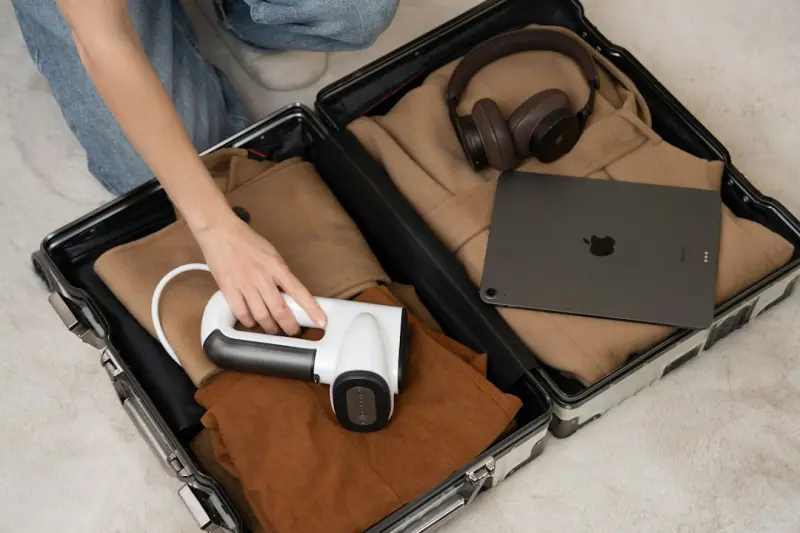
Turning Your Suitcase into a Mobile Creative Lab
Travel has always been a catalyst for fresh ideas, but for me, the real magic begins when the plane lands and the suitcase rolls onto the floor of a new city. I’ve stopped treating my luggage as a mere container for clothes and toiletries; it’s become a compact studio, a brainstorming hub, and a portable archive of everything I encounter on the road. In this post, I’ll walk you through the philosophy behind a “creative travel bag,” the essential gear that fits in a carry‑on, and the rituals that keep the spark alive when you’re far from home.
The “Creative Lab” Mindset: Why It Matters
Most travelers think of packing in terms of comfort and convenience. I flip that script. My goal is to design every trip as a learning experiment—a chance to capture sights, sounds, textures, and ideas before they evaporate like mist. When you approach a journey as a series of intentional creative moments, the ordinary transforms into extraordinary. A bustling market isn’t just a place to buy spices; it’s a live soundscape begging for a field recording. A quiet café becomes a sketching station where the aroma of fresh brew fuels a burst of illustration. By re‑framing travel as a series of mini‑workshops, you unlock a deeper layer of engagement that standard itineraries rarely provide.
Essential Gear for the Portable Studio
Below is my curated list of tools that balance functionality, weight, and the ability to spark inspiration. All of these items fit comfortably in a medium‑sized carry‑on, ensuring you stay nimble at the airport and on the street.
- Compact Audio Recorder: Something the size of a deck of cards—think Zoom H1n or similar—captures high‑fidelity ambient sound without the bulk of a DSLR microphone.
- Multi‑Surface Sketchbook: A 120 g/m², water‑resistant sketchbook that works on the train, the beach, or a cramped hostel desk.
- Travel‑Size Watercolor Set: A palette of ten pan colors with a foldable brush, perfect for quick washes that capture the mood of a sunset.
- Portable Battery Pack: At least 20,000 mAh to keep your recorder, phone, and tablet powered through long days of exploration.
- Lightweight Laptop/Tablet: My go‑to is a 13‑inch ultrabook with a stylus, which doubles as a digital journal, sketching tool, and editing station for audio files.
- Collapsible Tripod: Small enough to slide into a side pocket, yet sturdy enough for steady video or photo shots.
- Reusable Water Bottle: Staying hydrated fuels both your body and brain—check out these hydration hacks for a quick boost.
Each piece serves a dual purpose: it supports your creative workflow while also fitting seamlessly into the typical travel routine. The key is to avoid over‑packing; every item should be able to stand on its own if you lose the rest of the kit.
Setting Up Your Mobile Workspace on the Fly
Finding a functional workspace abroad can feel like a scavenger hunt, but you can create a productive nook almost anywhere with a few simple steps:
- Scout for Ambient Light: Early morning or late afternoon offers soft, natural lighting that’s perfect for sketching and video. If you’re inside, position yourself near a window.
- Establish a “Sound Bubble”: Use your recorder’s windscreen and set it on a stable surface (the back of a café chair works wonders). Record ambient noise for 30‑seconds, then pause. This becomes the auditory backdrop for later edits.
- Digital Journaling: Open your tablet, create a new entry, and jot down the location, temperature, people you see, and any lingering thoughts. This habit turns fleeting impressions into concrete data you can reference later.
- Quick Capture Routine: Before you move on, spend five minutes either sketching a quick scene, recording a short sound bite, or snapping a photo that tells a story beyond the typical postcard.
These rituals take less than ten minutes but embed a layer of intentionality into each stop on your itinerary. Over time, the habit compounds, producing a rich archive of sensory data you can remix into blog posts, podcasts, or visual portfolios.
From Field Recordings to Storytelling: The Editing Process
When you finally have a cache of recordings, sketches, and notes, the real alchemy happens in the editing suite—whether that’s a laptop in a hostel lounge or a quiet corner of a coworking space. I start by syncing my audio clips with a simple timeline, layering ambient sounds beneath narration to give listeners a sense of place. A trick I picked up from an AI thought partner article is using AI transcription tools to quickly generate text from recorded interviews, which I then refine into article drafts.
For visual content, I select one or two sketches that best capture the atmosphere, then enhance them with digital color washes in Photoshop or Procreate. This blend of analog and digital feels authentic and preserves the rawness of the travel moment while allowing for artistic polish.
Integrating Travel with Ongoing Projects
One of the biggest advantages of treating your suitcase as a creative lab is the ability to dovetail travel with long‑term projects. Whether you’re building a personal brand, developing a portfolio for a design agency, or curating content for a corporate blog, the assets you collect on the road can directly feed those pipelines. For instance, a series of short audio snippets from street musicians can become the backbone of a podcast episode on global music cultures. Meanwhile, a collection of watercolor studies of city skylines can be compiled into an e‑book or a limited‑edition print series.
Even if you’re not a professional creator, this approach helps you return from each trip with tangible outcomes, turning wanderlust into productivity. It also aligns with the growing trend of “portfolio careers,” where freelancers showcase diverse, real‑world experiences to attract clients.
Mindful Packing: The Minimalist Approach
While the creative lab concept encourages you to bring tools, it also demands restraint. The mantra “pack light, create heavy” guides my decisions. Before each trip, I ask:
- Will this item serve multiple functions?
- Can I replace it with a digital alternative?
- Is the item essential for capturing the unique sensory aspects of my destination?
By answering these questions, I often discover that a single device—like a smartphone with a good external mic—can replace a separate recorder, or that a sketchbook can double as a journal. This reflective process not only saves space but also forces you to prioritize what truly matters in your creative practice.
Learning from Other Travelers: Community and Collaboration
No creative lab is an island. I love connecting with fellow travelers who share a similar ethos. Platforms like Instagram’s “#travelstudio” or niche Discord servers become virtual coworking spaces where you can exchange tips, critique each other's work, and even co‑create on the move. Recently, a fellow nomad from Berlin sent me a unscripted adventure guide that encouraged me to wander beyond the usual landmarks, which resulted in some of my most compelling audio recordings.
These collaborations amplify the impact of your solo efforts and can lead to unexpected opportunities—think joint exhibitions, collaborative podcasts, or even co‑authored travel guides.
Balancing Exploration and Creation
It’s easy to fall into the trap of “working while traveling” and miss the essence of the destination. My rule of thumb is the 30‑70 split: 30 % of your day is dedicated to creative work (recording, sketching, editing), while 70 % remains open for spontaneous exploration, conversation, and immersion. This balance ensures that the creative output remains authentic and not forced.
When you feel the pull to skip a landmark for a quick sketch, trust that instinct. Those moments of unplanned creativity often yield the most vivid memories, and they reinforce the notion that travel is as much about internal discovery as external observation.
Conclusion: Your Journey, Your Lab
By transforming your suitcase into a portable creative lab, you turn every trip into an incubator for ideas, stories, and art. The approach is flexible—adapt it to your medium, your interests, and your schedule. The ultimate reward is a personal archive that grows richer with each journey, providing a well‑spring of content you can draw on long after the plane lands.
So the next time you zip up your bag, think beyond shirts and socks. Pack the tools that let you capture the world’s symphonies, colors, and textures, and watch how travel becomes not just a break from routine, but a powerful engine for creative growth.

Jessica Gills is a freelance writer carving a niche for herself by empowering others through her words. With a focus on careers, self-development, and business, she helps readers navigate the complexities of the modern professional landscape.
Related Posts

Travel Sprints: Turning Mini‑Escapes into High‑Impact Growth Sessions
Learn how to treat short getaways as design sprints, using AI planning, minimalist packing, and micr... Read More

Flavor Passport: Curating a Global Culinary Journey
Learn to craft a flavor passport that maps global dishes, deepens cultural connections, and guides f... Read More
Beyond the Guidebook: Designing Travel Experiences That Nourish the Soul
Explore a fresh travel mindset that prioritizes intentional journeys, sustainable practices, and dee... Read More
Top Posts
Prompt Engineering: The New Literacy for the AI Age
Prompt engineering transforms vague queries into precise, high‑impact instructions, turning AI into a reliable business engine. Learn how to build a prompt‑...Read More

Why Employee Sabbaticals Are the Secret Weapon for Modern Companies
Explore why extended, purposeful breaks are becoming essential for companies seeking higher innovation, lower turnover, and a more engaged workforce....Read More

When AI Becomes a Cross‑Cultural Translator: Bridging Global Team Gaps
A deep dive into AI-powered cross‑cultural translation, showing how real‑time contextual intelligence can bridge communication gaps, improve global teamwork...Read More

Talent Marketplaces Inside Companies: Unlocking Peer‑to‑Peer Skill Exchange
A deep dive into internal talent marketplaces reveals how peer‑to‑peer skill exchange replaces static job titles, driving agility, engagement, and retention...Read More
0 Comments
Post Comment
You will need to Login or Register to comment on this post!