
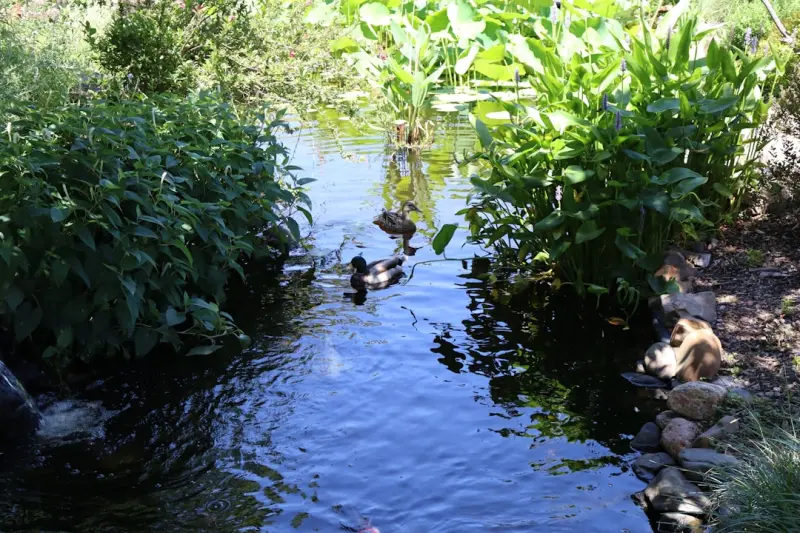
When I first moved into my modest two‑bedroom house, the backyard felt more like an afterthought than a living space. Over time, I realized that a garden isn’t just about pretty flowers or a tidy lawn—it can become a vibrant ecosystem that supports wildlife, reduces stress, and even improves the health of my home. In this post I’m sharing the step‑by‑step journey I took to transform a bland patch of soil into a buzzing wildlife oasis, and how you can replicate the magic with minimal expense and effort.
Why a Wildlife Oasis?
Most homeowners think of gardening as a solitary hobby, but the truth is that a thriving garden can act as a bustling neighborhood hub for insects, birds, and even small mammals. These visitors bring pollination, natural pest control, and a sense of connection to the broader environment. Moreover, research shows that regularly observing nature can sharpen focus and lower cortisol levels—something I’ve personally felt while sipping tea on my patio and watching bees dance among lavender.
Step 1: Survey Your Space and Set Intentions
Before buying any plants, I walked the yard at different times of day, noting sunlight patterns, wind direction, and existing soil conditions. I asked myself three questions:
- What habitats are missing? I wanted a mix of nectar sources, shelter, and water.
- Which native species thrive here? Native plants require less water and attract local pollinators.
- How much time can I realistically dedicate? My schedule is packed, so low‑maintenance options were a must.
This simple audit prevented costly trial‑and‑error and ensured every addition served a purpose.
Step 2: Choose Native, Multi‑Season Plants
Native flora is the backbone of any wildlife garden. They co‑evolve with local insects and birds, providing the exact nutrients and shelter needed. Some of my top picks include:
- Echinacea purpurea – a magnet for butterflies and hummingbirds.
- Coreopsis verticillata – drought‑tolerant and offers bright yellow blooms.
- Salvia nemorosa – attracts a variety of pollinators while staying compact.
- Artemisia tridentata – its feathery foliage offers cover for beneficial insects.
Because these plants return year after year, you’ll spend less time replanting and more time enjoying the results.
Step 3: Add Structural Habitat
Wildlife isn’t just about food; they need places to hide, nest, and rest. Here’s what worked for me:
- Log piles and rock stacks – provide safe havens for beetles, spiders, and ground‑dwelling birds.
- Bee houses – wooden blocks with drilled holes of varying diameters attract solitary bees, the unsung heroes of pollination.
- Bird nesting boxes – mount them on sturdy posts, oriented away from prevailing winds.
- Native grasses – tall, clumping varieties create shelter for small mammals and act as perches for songbirds.
These structures are inexpensive DIY projects. A few pallets, a handful of logs, and some reclaimed wood are all you need to start.
Step 4: Install a Water Feature
Water is essential, especially during dry spells. I installed a shallow, solar‑powered fountain that recirculates water, keeping maintenance low. If a fountain feels too fancy, a simple birdbath with a sloping edge works just as well. Add a few stones for insects to land on, and change the water weekly to prevent mosquito breeding.
Step 5: Embrace the Power of Mulch and Soil Health
Healthy soil is the secret sauce for any garden. I spread a thick layer of shredded bark mulch around my plants. Mulch conserves moisture, suppresses weeds, and provides a habitat for beneficial soil microbes. To boost fertility, I occasionally add a thin coat of compost tea—a liquid brew made from well‑rotted compost. This simple trick gave my plants a nutrient boost without the need for synthetic fertilizers.
Step 6: Create a Seasonal Feeding Calendar
Different wildlife needs change throughout the year. I plotted a calendar that aligns plant bloom times with the life cycles of pollinators. For instance, early spring Corylus avellana (hazel) provides pollen for emerging bees, while late‑summer Rudbeckia offers nectar for butterflies preparing for migration. By staggering bloom periods, the garden remains a reliable food source from spring to fall.
Step 7: Light Up the Night for Nocturnal Visitors
Many people overlook nighttime pollinators like moths and bats. Soft, amber LED lights positioned near the water feature attract these nocturnal guests without overwhelming them. I also planted night‑blooming flowers such as Mirabilis jalapa (four‑o’clock) that open after dusk, providing a fragrant treat for night‑active insects.
Step 8: Keep an Eye on Invasive Species
While it’s tempting to fill every empty spot, invasive plants can quickly dominate and choke out native biodiversity. I regularly inspected my garden for fast‑growing weeds like Japanese knotweed and removed them by hand before they set seed. This vigilance ensures that the ecosystem I’m nurturing stays balanced.
Step 9: Document and Celebrate Progress
One of the most rewarding parts of this project has been watching the garden evolve. I set up a simple photo station with a tripod and took weekly snapshots. Over time, I could see the increasing number of pollinators, the emergence of new bird species, and the subtle shifts in plant health. Sharing these moments on social media not only keeps me accountable but also inspires neighbors to join the movement.
Step 10: Share the Knowledge
Finally, I invited a few friends over for “Garden Discovery Days,” where we toured the oasis, identified insects, and discussed sustainable practices. Teaching others reinforces my own learning and builds a community of eco‑enthusiasts. If you’re curious about how outdoor activities can sharpen the mind, check out The Unexpected Brain Boost of Solo Trail Adventures for inspiration. And if you love the idea of scent‑driven wellbeing at home, you might enjoy Scent‑Driven Self‑Care—both pieces complement the holistic vibe of a thriving garden.
Wrapping Up: A Garden That Gives Back
Creating a backyard wildlife oasis is more than a landscaping project; it’s an ongoing relationship with the natural world. By focusing on native plants, structural habitats, water sources, and seasonal planning, you can craft a space that nourishes both wildlife and your own well‑being. Remember, the goal isn’t perfection—it’s progress. Start small, observe, adapt, and soon you’ll find your garden humming with life, offering a daily reminder of nature’s resilience and beauty.

Amanda is a passionate writer exploring a kaleidoscope of topics from lifestyle to travel and everything in between.
Related Posts
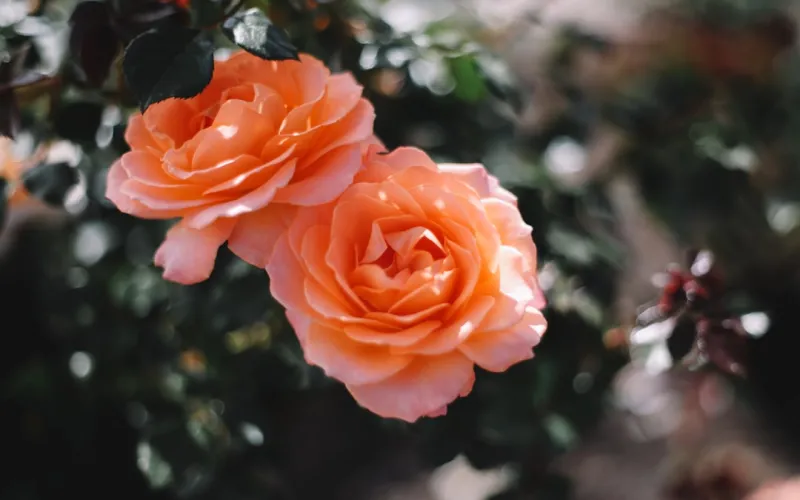
From Garden Soil to Office Success: Rose DesRochers Redefines Home & Garden Living
Rose DesRochers shares her journey turning a garden desk into a high‑performing, eco‑friendly of... Read More
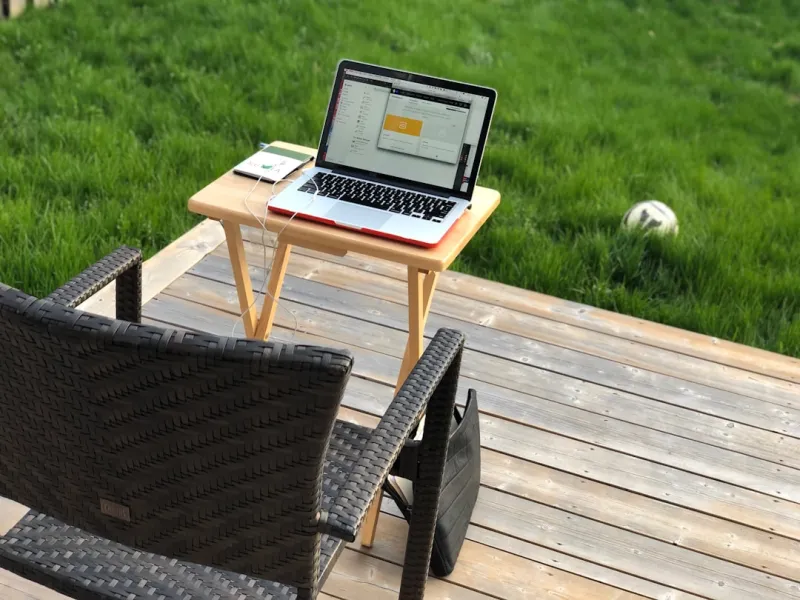
Why Garden Desks Are the Hottest Trend Transforming Home & Garden Living
Explore the rise of garden desks, their design tips, productivity gains, and community impact, all w... Read More

Front Porch Renaissance: Reimagining Community at Home
The front porch is being redefined as a semi‑public space that nurtures neighborly connections, su... Read More
Top Posts

Sensory Self‑Care: Harnessing Touch and Temperature for Everyday Wellness
Explore a fresh personal‑care approach that blends tactile tools, temperature play, and scent to create a ritual that calms the mind and revitalizes the body....Read More

Green Workspaces: How Garden Desks Are Shaping the Future of Employment
Rose DesRochers reveals why garden desks are transforming work, offering health benefits, economic gains, and a sustainable future for employees everywhere....Read More

Neurodiversity at Work: Harnessing Cognitive Variety for Business Growth
Neurodiversity isn’t a buzzword—it’s a strategic advantage. Discover practical steps to recruit, support, and leverage cognitively diverse talent for stro...Read More

Smart Home Comfort Hacks: Simple Changes for a Cozier, More Efficient Space
Learn easy, budget‑friendly ways to enhance lighting, temperature control, storage, and acoustic comfort at home, turning any space into a cozy, efficient hav...Read More
0 Comments
Post Comment
You will need to Login or Register to comment on this post!