
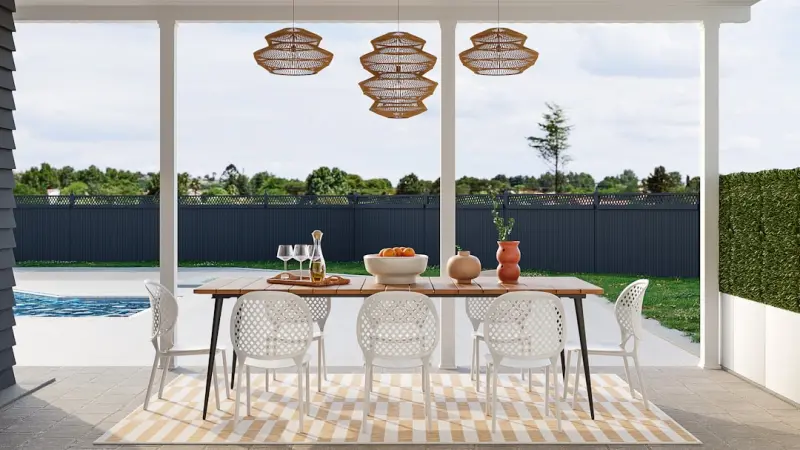
Why an Outdoor Living Room Deserves a Spot on Your Home’s Floor Plan
When the sun dips low and the evening breeze carries the scent of fresh cut grass, an inviting outdoor living room can transform a simple patio into a seasonal sanctuary where family meals, late‑night chats, and spontaneous dance parties coexist under the open sky; this shift from “just a yard” to a deliberately styled extension of the home redefines how we experience our property’s perimeter. Investing in thoughtful layout, comfort, and ambiance does more than boost curb appeal—it creates a psychological bridge that encourages you to step outside, breathe deeper, and reclaim the joy of al‑fresco living that many suburban homes have long neglected. By treating the patio like any other room—complete with focal points, zones, and a narrative—you’ll find yourself planning weekend gatherings with the same excitement you once reserved for the living room sofa.
Lay the Groundwork: Flooring, Drainage, and Base Layers
Before you think about sofas or string lights, the surface beneath your feet must be both beautiful and functional, which means selecting a durable deck board, interlocking stone, or weather‑resistant rug that can handle moisture, foot traffic, and occasional spills without warping or cracking; a well‑designed base also prevents water pooling, a problem solved elegantly by integrating a subtle slope or a hidden French drain system that guides runoff toward a garden bed or a rainwater harvesting setup. Adding a plush outdoor rug—preferably made from synthetic fibers that resist mildew—creates a tactile layer that invites barefoot strolling while delineating conversation zones, and the rug’s pattern can act as a visual cue that defines the room’s shape without the need for walls. Finally, consider a low‑profile perimeter lighting strip that not only accentuates the flooring’s texture but also signals to guests where the “room” begins and ends, subtly guiding traffic flow after dark.
Modular Furniture: Flexibility Meets Style
Choosing modular seating and tables allows you to reconfigure the space for everything from an intimate dinner for two to a lively game night for a dozen friends, and pieces that fold flat or nest within each other keep the area uncluttered when you need a clear pathway for a garden party or a yoga session. Look for weather‑proof frames crafted from powder‑coated aluminum, teak, or reclaimed wood, and cushions that feature UV‑protected foam encased in water‑repellent fabric; this combination ensures the furniture maintains its shape and color palette season after season. By pairing a low coffee table with a few poufs or ottomans, you add layers of seating that can be moved around effortlessly, creating an adaptable environment that responds to the flow of conversation and the whims of the weather.
Lighting Layers: From Ambient Glows to Highlighted Accents
Effective outdoor lighting works in three distinct layers—ambient, task, and accent—and mastering each one turns a simple patio into a stage where every evening moment feels intentional, whether you’re reading a novel, grilling a steak, or simply watching fireflies dance above a flowerbed. Ambient illumination can be achieved with warm‑toned LED string lights draped along a pergola or nestled in a canopy of branches, casting a soft, diffused glow that mimics the comforting flicker of indoor lamps, while task lighting—such as a low‑profile floor lamp or a set of spotlights over the dining table—ensures you can see plates and menus clearly without squinting; inspiration for balancing these layers can be found in the principles of a cozy indoor green oasis, where light is used to highlight foliage and create depth. Accent lights, like uplighters that illuminate a sculptural tree or pathway lanterns that guide guests around the perimeter, add visual interest and a sense of safety after dark.
Textiles That Defy the Elements While Adding Warmth
Just as a living room’s throw blankets and cushions soften a space, outdoor textiles bring a tactile richness that makes the patio feel lived‑in, but they must be engineered to withstand rain, sun, and wind without fading or mildew; look for fabrics with a high denier count, acrylic blends, or solution‑dye technology that lock in color and repel moisture. Layering a few weather‑proof pillows in complementary hues—perhaps a deep navy paired with mustard accents—creates a visual rhythm that ties the furniture together, while a thick, water‑resistant outdoor blanket draped over a chaise invites guests to linger on cooler evenings, providing both comfort and insulation. Don’t forget that the right rug can anchor the space, but it should be placed on a raised platform or under‑deck to promote airflow, preventing the buildup of dampness that could compromise the material over time.
Seasonal Swaps: Keeping the Space Fresh Year‑Round
One of the most rewarding aspects of an outdoor living room is the ability to refresh its personality with the changing seasons, swapping out accessories, colors, and plantings to reflect the mood of spring blossoms, summer vibrancy, autumnal earth tones, or winter’s crisp minimalism; a set of interchangeable cushion covers stored in a weather‑proof chest can transform the same sofa from a breezy teal summer look to a cozy burgundy winter vibe with minimal effort. Incorporate seasonal décor such as lanterns filled with pine cones in the fall, a wreath of dried lavender for winter evenings, or a burst of citrus‑scented candles for summer gatherings, each element adding a sensory layer that deepens the experience. By rotating these items annually, you not only keep the patio feeling new but also protect your investment, allowing fabrics and accessories to rest in dry storage during harsh weather, thereby extending their lifespan.
Fire Features: Heat, Light, and Centerpiece Drama
Integrating a fire pit or tabletop fireplace adds both functional warmth and an undeniable focal point that draws people in, extending the usable season well into the cooler months while creating a natural gathering spot for storytelling, s’mores, or simply basking in the glow as night falls; choose a model with a sleek steel or cast‑iron design that complements your furniture’s aesthetic, and consider a portable option if you need flexibility for moving the fire element closer to the dining area or away from a wind‑prone corner. Safety is paramount, so place the fire feature on a non‑combustible surface such as stone pavers or a concrete pad, and keep a fire‑proof mat underneath to protect surrounding decking; many modern units also offer a smoke‑reduction system, making them suitable for smaller backyards where smoke might otherwise become a nuisance. Pair the fire’s orange‑red tones with soft lighting and plush textiles to craft a layered ambiance that feels both intimate and expansive.
Greenery and Planters: Living Walls, Vertical Gardens, and Pocket Plantings
Plants are the soul of any outdoor living room, providing color, texture, and a subtle, ever‑changing backdrop that evolves with the seasons; use a mix of container‑grown perennials, ornamental grasses, and dwarf trees to create layers of height, ensuring there’s always something blooming or rustling in the breeze. Vertical garden panels or hanging planters can maximize limited square footage, turning a blank wall into a living tapestry of succulents, ferns, and trailing vines, while low‑profile herb boxes add a functional element for cooking enthusiasts who love to pluck fresh basil or mint during a summer soirée. When selecting containers, opt for materials like glazed ceramic, reclaimed wood, or metal that echo the patio’s design language, and incorporate self‑watering inserts to reduce maintenance, ensuring the greenery remains vibrant without demanding daily attention.
Tech Touches: Speakers, Smart Controls, and Discreet Power
Modern outdoor living rooms thrive on subtle technology that enhances comfort without intruding on the natural vibe; wireless weather‑proof speakers can be discreetly mounted on pergola beams or hidden among planters, delivering high‑fidelity sound for music, podcasts, or guided meditation sessions, while a smart lighting hub lets you program dimming schedules, color changes, and motion‑activated pathways from your phone, ensuring the space is always ready for any occasion. Incorporate discreet power outlets—preferably GFCI‑protected and concealed beneath deck boards or within a waterproof box—to keep charging stations, electric blankets, or portable fans within easy reach without creating unsightly cords; many homeowners also appreciate a solar‑powered charging station that doubles as a decorative feature while reducing reliance on the grid. By blending these tech elements thoughtfully, you create a seamless experience where guests can relax, entertain, and stay connected without ever noticing the underlying infrastructure.
Maintenance, Sustainability, and the Joy of a Well‑Curated Space
Keeping your outdoor living room in peak condition requires a balance of routine care and sustainable practices, such as sweeping debris off flooring weekly, wiping down furniture cushions with a mild detergent, and rotating textiles to prevent sun‑bleaching, all of which preserve the aesthetic and extend the life of each component. Embrace eco‑friendly choices like using reclaimed wood for furniture, selecting low‑VOC paints for any painted surfaces, and installing a small solar panel to power ambient lighting, thereby reducing your carbon footprint while showcasing a commitment to responsible design; these decisions not only benefit the environment but also resonate with guests who appreciate thoughtful stewardship. Ultimately, the true reward of a meticulously designed outdoor living room is the everyday moments—morning coffee under sunrise, sunset cocktails with friends, and quiet evenings spent watching the stars—each one reinforcing the idea that the best rooms in a house are the ones that open directly to the world outside.

Jimmy Damon loves to right on a large scale of topics with all things Canadian as this Montreal die hard loves hockey. fishing and sports.
Related Posts

From My Garden Desk: Cultivating a Green Workspace That Transforms Home & Garden Living
Rose DesRochers shares how a garden office boosts productivity, mental health, and sustainability, o... Read More

The Secret Power of Window Boxes: Turning Light Into Lush
A heartfelt guide shows how a modest window box can turn a concrete view into a vibrant garden, offe... Read More

From Scraps to Soil: Mastering Compost for a Thriving Garden
Discover the science, design tips, and simple action plan to turn everyday kitchen scraps into rich ... Read More
Top Posts

Creating a Culture of Psychological Safety for Remote Teams
Learn why psychological safety is essential for remote work, and get actionable steps—rituals, metrics, and leadership training—to build a trust‑rich, hig...Read More

Building a Portfolio Career Culture: Redefining Success Beyond the Ladder
Traditional career ladders are giving way to portfolio careers—dynamic, multi‑project pathways that align personal passions with business goals. Learn how t...Read More

The Transformative Power of Hand‑Crafted Body Scrubs
Explore the benefits of homemade body scrubs, from ingredient basics to sensory rituals, and learn how to integrate them into a lasting personal care routine....Read More

Beyond the Bucket List: Crafting Intentional Mini‑Escapes for the Remote Era
Learn to plan and execute intentional mini‑escapes that refresh your mind, spark new ideas, and enhance productivity, turning short trips into a strategic too...Read More
0 Comments
Post Comment
You will need to Login or Register to comment on this post!