
Introduction
When I first swapped my cramped cubicle for a home office, I thought the biggest challenge would be finding a quiet place to work. Turns out, the real battle was against the invisible enemy lurking on my desk: the light.
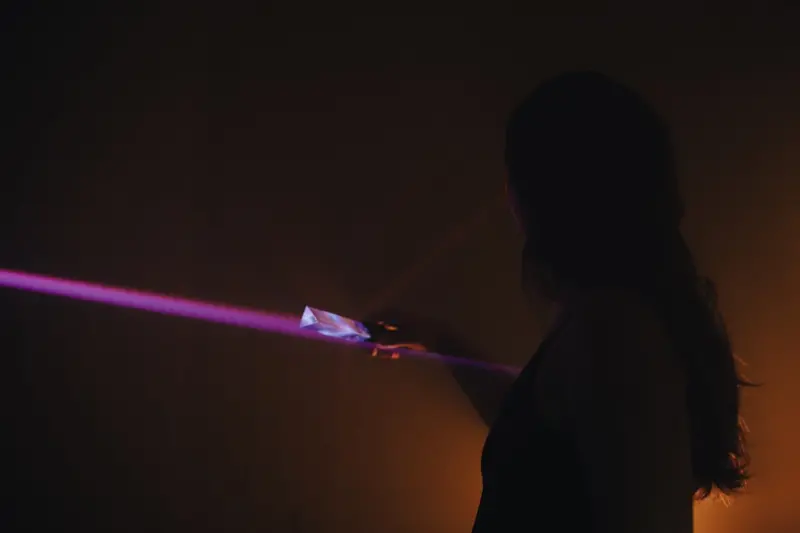
Most of us treat lighting as a background detail—something that’s either “on” or “off.” But the quality, intensity, and timing of light are powerful levers that can dictate our energy levels, focus, and even long‑term health. In the past year I’ve experimented with everything from LED strips to sunrise simulators, and the results have been nothing short of transformative. In this post I’m pulling back the curtain on ambient light therapy—the practice of using tailored light environments to align your body’s internal clock, reduce eye strain, and boost overall wellbeing while you hustle from home.
The Science Behind Light and the Body
Light is the primary cue that synchronizes our circadian rhythm—the 24‑hour internal clock that regulates sleep, hormone release, metabolism, and mood. When our eyes detect bright, blue‑rich light in the morning, a cascade of signals travels to the suprachiasmatic nucleus (SCN) in the brain, telling the body, “It’s daytime, get moving.” Conversely, dim, warm light in the evening signals “time to wind down.”
Disrupt this rhythm, and you’ll see symptoms that mimic chronic stress: fatigue, brain fog, irritability, and even weight gain. Remote workers are especially vulnerable because the natural daylight window is often replaced by harsh overhead fluorescents or the blue glow of laptop screens.
Research shows that exposure to the right spectrum at the right time can:
- Increase serotonin production, lifting mood and motivation.
- Suppress melatonin during daylight hours, keeping you alert.
- Boost alertness by up to 20% compared to standard office lighting.
- Reduce the risk of seasonal affective disorder (SAD) and eye strain.
Why Ambient Light Therapy Beats “Just Turn on a Lamp”
Most people think any lamp will do. Not so. Ambient light therapy is about creating a gradient of light that mimics natural conditions:
- Intensity: Bright enough (300–500 lux) to stimulate the SCN, but not so harsh that it causes glare.
- Color Temperature: Cool, blue‑rich light (≈6500K) in the morning; warm amber (≈2700K) in the evening.
- Distribution: Light should flood the peripheral vision, not just the focal point of your screen.
By calibrating these variables, you create an environment that tells your body, “It’s work time” when you need focus, and “It’s rest time” when you should unwind. The result is a smoother energy curve throughout the day—no more dreaded post‑lunch slump or mid‑afternoon yawns.
Setting Up Your Home Office for Light Success
Below is a step‑by‑step checklist that helped me turn my makeshift desk into a light‑optimized workspace.
- Assess Your Window Situation: If you have a south‑facing window, position your primary work surface to face the light. If not, consider a light‑diffusing panel that mimics daylight.
- Install Adjustable LED Panels: Look for products with tunable color temperature and dimmable brightness. Place them above eye level and angle them slightly downwards.
- Introduce a Sunrise Simulator: Set it to gradually increase brightness over 20‑30 minutes before you start work. This primes your brain for alertness.
- Use a Warm Desk Lamp for Evenings: Switch to a 2700K amber lamp after 6 pm to signal the evening phase.
- Minimize Blue Light from Screens: Enable “night mode” or use a blue‑light filter after sunset. Pair this with a digital boundaries routine to truly detach.
Choosing the Right Devices
Not all LEDs are created equal. Here are three categories to consider:
- Full‑Spectrum Panels: Offer the most natural daylight simulation. Ideal for large spaces and users with severe circadian misalignment.
- Desk‑Mount Light Boxes: Compact, cost‑effective, and easy to position. Perfect for freelancers with limited floor space.
- Smart Bulbs with Scheduling: Integrate with home assistants (Alexa, Google Home) to automate transitions based on your calendar.
If budget is a concern, start with a single smart bulb and a sunrise alarm clock. The key is consistency—not having the most expensive setup.
Integrating Light Therapy Into Your Daily Rhythm
Consistency is the secret sauce. Here’s a typical day I follow, which you can adjust to match your own schedule:
- 6:30 am – Sunrise Simulation: 10‑minute gradual increase to 300 lux.
- 7:00 am – Morning Work Block: Keep full‑spectrum panels at 500 lux, 6500K.
- 10:30 am – Natural Light Break: Step outside or open blinds for a 10‑minute sun soak.
- 12:30 pm – Lunch Reset: Dim the lights to 300 lux, warm them slightly to 4000K to avoid a post‑lunch dip.
- 3:00 pm – Focus Boost: Re‑activate cool light for a 30‑minute sprint.
- 6:00 pm – Evening Wind‑Down: Switch to amber lighting, reduce intensity to 200 lux.
- 9:30 pm – Pre‑Sleep Routine: Turn off all bright lights, use a low‑lux red night light if needed.
This schedule works in tandem with sleep wearables that track your melatonin onset, ensuring you’re never over‑exposed to blue light before bed.
Common Mistakes (And How to Avoid Them)
Even with the best equipment, pitfalls can sabotage your efforts:
- Over‑Illuminating: More than 1,000 lux can cause eye strain. Keep intensity within the recommended range.
- Ignoring Personal Sensitivity: Some people are more light‑sensitive. Start at a lower lux and gradually increase.
- Neglecting Evening Light: Forgetting to dim lights after work keeps melatonin suppressed, leading to insomnia.
- Relying Solely on Screens: Your laptop’s backlight isn’t a substitute for ambient lighting. Use it as a supplement, not the primary source.
The Future of Light Therapy for Remote Work
Emerging technologies are taking ambient light therapy from niche wellness gadgets to mainstream office design:
- AI‑Driven Light Schedules: Systems that learn your work patterns and automatically adjust intensity and color temperature.
- Wearable Light Sensors: Devices that monitor the amount of light you receive and provide real‑time feedback.
- Integrated Health Platforms: Combining light data with heart‑rate variability and sleep metrics to create a holistic health dashboard.
As remote work solidifies its place in the modern economy, companies will likely start offering light‑therapy stipends alongside ergonomic chairs. Imagine a future where your employer sends you a “wellness light kit” as part of your onboarding package.
Conclusion: Light Up Your Productivity and Wellbeing
Ambient light therapy isn’t a fad; it’s a science‑backed strategy that aligns your environment with your biology. By curating the right light at the right time, you can:
- Maintain steady energy throughout the day.
- Reduce eye strain and headaches.
- Improve mood and reduce the risk of seasonal affective disorder.
- Enhance sleep quality—especially when paired with smart wearables.
If you’re ready to stop feeling like a nocturnal creature stuck behind a screen, start small. Add a sunrise lamp, dim your evening lights, and watch how your body responds. In my experience, the payoff isn’t just a more productive workday—it’s a healthier, happier you.

Ryan Stuart is a seasoned freelance features writer, editor, and professional photographer with a passion for exploring the world and capturing its beauty through words and images.
Related Posts

Why Structured Napping Is the Secret Weapon for Peak Performance
Structured napping—short, timed breaks designed around your circadian rhythm—offers measurable b... Read More

Chrononutrition: Syncing Your Meals with Your Body Clock for Peak Performance
Chrononutrition teaches you to eat when your body is most ready to process food, aligning meals with... Read More
Seeing the Light: How to Use Illumination for Better Health While Working Remotely
Learn how to audit your lighting, choose the right bulbs, sync illumination with your circadian rhyt... Read More
Top Posts
Creating an Invisible Buffer: Guarding Your Mind in a Hyper‑Connected Workday
Discover the Invisible Buffer—a set of low‑effort habits that protect mental space amid nonstop notifications, AI alerts, and digital overload, empowering y...Read More

Reverse Mentorship: A New Growth Engine for Employees
Reverse mentorship flips the traditional mentor‑mentee model, letting junior staff guide senior leaders. This article outlines why it matters, how to start, a...Read More
Garden to Office: Jimmy Damon’s Blueprint for a Home That Works and Grows
Jimmy Damon shares his hands‑on strategy for blending garden beauty with productive home office design, offering practical tips for a cozy, efficient living s...Read More

From Backyard to Boardroom: How My Garden Desk Revolutionized Home Life
Jimmy Damon shares his journey of turning a simple garden desk into a thriving outdoor office, boosting productivity, creativity, and work‑life balance....Read More
0 Comments
Post Comment
You will need to Login or Register to comment on this post!