
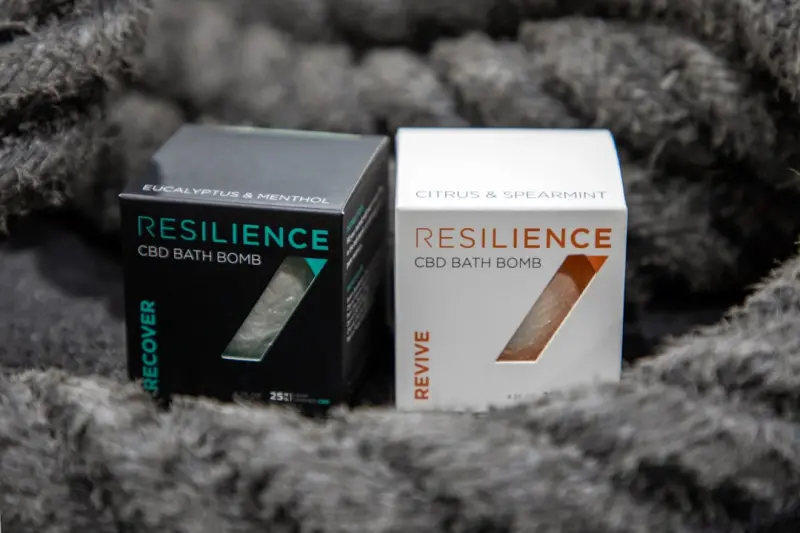
Why Zero‑Waste Personal Care Is the Next Big Shift
When I first stared at the tiny plastic bottles lining my bathroom shelf, I felt a pang of embarrassment. Not the kind that says, “I’m using too much product,” but the kind that whispers, “I’m part of a problem I never noticed.” That moment sparked a personal quest: to strip my routine down to the essentials while leaving a lighter trace on the planet. What started as a modest experiment has since blossomed into a full‑blown philosophy I call the Zero‑Waste Personal Care Revolution. In this post, I’ll walk you through the mindset, the practical steps, and the surprising benefits that come when you re‑engineer your daily rituals for sustainability.
The Hidden Cost of Convenience
Most of us assume that the convenience of a pre‑filled bottle or a single‑use wipe is harmless. The truth is far less forgiving. Every ounce of product we toss away carries embedded energy, water, and raw materials. The packaging, often a mix of plastic, aluminum, and cardboard, adds layers of complexity to recycling streams. And let’s not forget the chemical residues that linger in landfills, slowly leaching into soil and water.
Beyond the environmental toll, there’s a personal cost, too. Over‑packaged products tend to encourage over‑use, which can disrupt the skin’s natural balance and lead to dependency on synthetic additives. By rethinking the very architecture of our routine, we can reclaim both ecological and bodily health.
Redesigning the Routine: The Core Principles
- Audit Your Products. List everything you touch each morning and night. Note the purpose, packaging material, and frequency of use.
- Embrace Multi‑Purpose Formulas. Choose items that can serve several functions—think a solid cleanser that doubles as a shave bar.
- Shift to Refillable Systems. Look for brands that offer glass or stainless‑steel containers you can top up.
- Go Solid. Solid shampoo, conditioner, and even deodorant eliminate plastic bottles entirely.
- DIY When Feasible. Simple recipes for lip balm, body scrub, and facial tonics can be whipped up with pantry staples.
From Theory to Practice: My 30‑Day Zero‑Waste Challenge
To prove that the concept isn’t just a lofty ideal, I set a 30‑day challenge for myself. Below are the milestones and lessons learned.
Week 1 – The Audit
I emptied my bathroom cabinets, photographed each product, and categorized them. The result? Forty‑six items, with 78% housed in single‑use plastic. I also discovered that many “specialty” products—like a scented body wash or a fragrance‑laden hand cream—were essentially the same base formula, just with added fragrance. This realization was the first cue that I could simplify without sacrificing pleasure.
Week 2 – The Swap
Armed with the audit, I began replacing items one by one. The biggest wins came from swapping to garden‑centric kitchen design inspired cleaning agents that double as body washes. These products use plant‑based surfactants housed in recyclable glass jars, and the leftover pulp can be composted—turning waste into nourishment for the garden.
My razor became a metal safety razor paired with a refillable shaving soap bar. The result? No more disposable cartridges, and the soap lasts three months per bar.
Week 3 – The DIY Lab
I turned my kitchen into a mini‑lab. A simple blend of coconut oil, shea butter, and a few drops of essential oil created a moisturizing lip balm that lasts indefinitely. For a gentle exfoliator, I mixed sugar, olive oil, and a pinch of sea salt. The best part? The containers are reusable glass jars I already had on hand.
While I’m not a chemist, these recipes are straightforward, and the satisfaction of using something you made yourself is priceless. Plus, you have full control over the ingredients—no hidden parabens or synthetic fragrances.
Week 4 – The Lifestyle Integration
Zero‑waste isn’t a one‑off project; it’s a habit loop. I started keeping a small refill station on my vanity—a tray holding glass bottles for shampoo, conditioner, and body wash. When a bottle empties, I simply pop a refill from a bulk dispenser at the local co‑op or order refill pods that ship in cardboard.
To stay motivated, I adopted a minimalist packing mindset for my toiletries when traveling. Instead of lugging a suitcase full of plastic bottles, I now travel with a compact minimalist packing guide that includes travel‑size solid shampoo bars and a reusable silicone toiletry bag. This not only reduces waste on the road but also lightens my luggage—a win‑win.
Unexpected Benefits Beyond Sustainability
While the environmental impact is the headline, the personal rewards have been equally compelling.
- Financial Savings. Over a year, I saved roughly $250 by cutting out disposable containers and buying in bulk.
- Skin Health. Fewer synthetic additives meant fewer breakouts and less irritation.
- Mindful Consumption. Each product choice now feels intentional, reinforcing a broader habit of mindful living.
- Creative Fulfillment. Crafting my own balms and scrubs sparked a newfound hobby that I now share with friends.
Integrating Zero‑Waste Into the Broader Home
Personal care doesn’t exist in a vacuum. It’s part of the larger ecosystem of our homes. I found that syncing my bathroom overhaul with a wardrobe optimization strategy created a cohesive, clutter‑free sanctuary. By decluttering clothing, I freed up space for my refill station, and the visual simplicity helped reinforce my commitment to low‑impact living.
Moreover, the same principles can apply to other rooms: using refillable cleaning solutions in the kitchen, repurposing glass jars for pantry storage, and adopting a “one in, one out” rule for every new purchase.
Overcoming Common Hurdles
Anyone embarking on this journey will encounter obstacles. Here’s how I tackled them:
Finding Reliable Refill Sources
Not all brands offer refill options, but many local co‑ops and zero‑waste stores do. I also discovered that some bulk shops allow you to bring your own containers for everything from shampoo to body lotion. When in doubt, a quick online search for “zero waste refill stations near me” usually yields results.
Dealing with the Learning Curve
Switching from liquid to solid formats can feel strange at first. For instance, solid shampoo may produce less lather initially, but it cleans just as effectively once you get the technique down. Patience is key—think of it as learning a new skill, not a chore.
Managing Travel
Travel used to be a nightmare for my zero‑waste aspirations. I solved this by investing in a set of travel‑size solid toiletries and a compact silicone bag that can hold all my essentials. This approach aligns with my minimalist packing mindset and eliminates the need for disposable travel containers.
Future Outlook: Scaling Zero‑Waste Personal Care
We’re at an inflection point where consumer demand is nudging brands toward sustainable packaging. Companies that invest early in refillable systems, biodegradable containers, and transparent ingredient sourcing will likely capture a loyal audience. As a consumer, I encourage you to voice your preferences—whether through social media, direct feedback, or supporting small businesses that champion zero‑waste values.
The journey doesn’t have to be perfect; it just needs to be progressive. Each small swap adds up, creating a ripple effect that can transform the industry from the ground up.
Take the First Step Today
Ready to join the movement? Start with a single product—perhaps a solid shampoo bar or a refillable moisturizer. Observe how it feels, adjust, and then expand. Remember, the goal isn’t to achieve an immaculate zero‑waste bathroom overnight but to cultivate a habit of thoughtful consumption that evolves over time.
By aligning personal care with environmental stewardship, you’re not just cleaning your body—you’re cleansing the world, one bottle at a time.

Paul Flynn is a versatile freelance writer equipped with a diverse skillset and a portfolio that reflects his wide-ranging interests and expertise. From crafting compelling website copy and engaging blog posts to delivering in-depth articles and meticulously researched reports, Flynn demonstrates a remarkable ability to adapt his writing style to suit various audiences and purposes.
Related Posts
Reimagining Personal Care: Tech, Ritual, and Sustainability
A deep dive into the evolving world of personal care, blending smart wearables, micro‑habits, sens... Read More
Rewiring the Routine: How Sound, Scent, and Sensation Elevate Personal Care
Learn to integrate sound, scent, and touch into everyday personal care, turning routine moments into... Read More

Revitalizing Personal Care for the Remote‑Work Era
A fresh personal‑care blueprint for remote workers, blending mindful habits, DIY recipes, and micr... Read More
Top Posts

From Garden Soil to Office Success: Rose DesRochers Redefines Home & Garden Living
Rose DesRochers shares her journey turning a backyard garden into a green workspace, redefining home & garden living while boosting creativity and well‑being....Read More

Breathing New Life into Personal Care
Explore the power of intentional breathing and biofeedback tools as a cornerstone of personal care, offering stress relief, better sleep, and radiant skin....Read More

Reimagining Employment as a Continuous Growth Engine
A fresh look at employment: shifting from static job descriptions to a dynamic skill ecosystem, internal talent marketplaces, micro‑internships, peer‑coachi...Read More

When AI Becomes Your Innovation Partner: Turning Data into Creative Gold
Explore how AI shifts from a utility to a creative collaborator, helping teams uncover hidden patterns, prototype concepts instantly, and spot decision biasesâ€...Read More
0 Comments
Post Comment
You will need to Login or Register to comment on this post!