
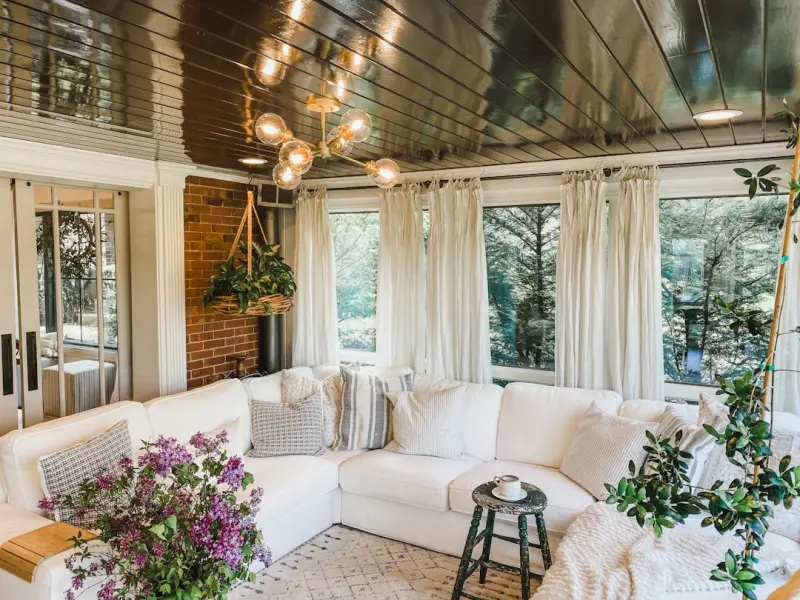
Why a Seasonal Outdoor Living Room Matters
When I first stepped onto my backyard in the height of summer, the space felt like a blank canvas—nothing more than a patch of grass and a few stubborn shrubs. Over the years I’ve learned that a garden isn’t just a place to grow tomatoes; it’s an extension of the home that can evolve with the seasons. By treating the outdoors as a living room that changes its mood, texture, and function throughout the year, you create a backdrop for family gatherings, quiet contemplation, and spontaneous play. This approach respects the natural rhythm of the environment while giving you the freedom to rearrange, refresh, and re‑imagine without a full‑scale renovation.
Choosing Flexible Foundations
The first step is to lay a foundation that can adapt. Instead of committing to a permanent concrete patio, consider modular pavers or interlocking deck tiles that can be lifted, rotated, or replaced as your needs shift. These systems sit atop a well‑drained base of compacted sand and gravel, providing stability while allowing you to reconfigure the layout each season. In spring you might expand the area to accommodate a pop‑up garden market stall; in autumn you could pull the tiles back to reveal a warm‑colored mulch pathway that invites barefoot walks.
Modular Seating Solutions
Furniture is the heart of any living room, and in the garden it should be as mobile as your social calendar. Look for lightweight, weather‑resistant pieces—think reclaimed teak benches with hidden wheels, stackable ottomans, and fabric‑covered lounge chairs that fold flat. By selecting items that can be tucked away in a shed or rearranged on a whim, you avoid the dreaded “furniture fatigue” that often forces homeowners to abandon their outdoor spaces. A few well‑placed cushions in seasonal hues can instantly transform a simple bench into a cozy reading nook or a lively dinner setting.
Seasonal Plantings as Living Décor
Plants are the ever‑changing artwork of an outdoor living room. Choose a mix of evergreen shrubs for year‑round structure, followed by spring‑time bulbs, summer‑blooming perennials, and autumnal foliage that adds color and texture. For a touch of edible intrigue, incorporate a urban farm inspiration by planting herbs in portable containers that can be moved closer to the kitchen in summer and stored indoors when frost arrives. This fluid planting strategy ensures the space never feels stale, and the scent of fresh rosemary or lavender can become a seasonal signature.
Weather‑Ready Textiles and Cushions
Soft furnishings bring comfort, but they also need protection from rain, sun, and wind. Opt for textiles made from solution‑dye acrylic or recycled polyester—materials that resist fading, mildew, and UV damage. Store cushions in breathable storage bins when not in use, and keep a set of indoor‑grade covers on hand for sudden downpours. Rotating cushion colors with the seasons—soft pastels in spring, vibrant oranges in fall—adds a subtle visual cue that the garden is alive and responding to the calendar.
Lighting for Every Phase of Day and Year
Good lighting turns an ordinary patio into a stage. Layer illumination with ambient string lights, task‑oriented LED spotlights, and accent lanterns that highlight architectural plants. Solar‑powered fixtures reduce wiring concerns and blend naturally with the garden’s ecology. In winter, a few low‑intensity warm lights can mimic the glow of a fireplace, while in summer, brighter whites illuminate a dinner party without drowning the starry sky. The key is flexibility—choose fixtures with adjustable heads or detachable cords so you can reposition them as the layout evolves.
Integrating Low‑Tech Water Features
A gentle trickle can soften the acoustic backdrop of a busy yard. Instead of a complex fountain system, consider a simple rain chain or a shallow basin that collects runoff from a nearby roof. These features require minimal plumbing, add a soothing soundscape, and become a focal point when the leaves begin to turn. By pairing water with stone stepping stones or reclaimed brick edging, you create a tactile border that encourages barefoot exploration—especially delightful for children and curious pets.
Subtle Tech Touches for Comfort
While the goal is to keep the garden low‑tech, a few discreet digital aids can enhance convenience without dominating the aesthetic. A weather‑proof outlet hidden behind a planter can power a small heater for chilly evenings, or a Bluetooth speaker disguised as a garden statue can provide background music. For those who love a bit of automation, check out home comfort hacks that focus on energy‑saving timers for lighting and irrigation—tools that work behind the scenes so you can stay present in the moment.
Acoustic Considerations for a Serene Atmosphere
Just as indoor designers think about sound, an outdoor living room benefits from acoustic planning. Hard surfaces can amplify traffic noise, while soft surfaces like mulch, grass, and moss absorb it. Positioning tall, dense foliage—such as bamboo screens or evergreen hedges—along the perimeter creates a natural sound barrier, fostering a sense of privacy. If you’re curious about more refined techniques, explore acoustic sanctuary tips that translate well to open‑air environments.
Maintenance Rhythm that Aligns with Nature
Maintaining a seasonal outdoor living room should feel like a ritual, not a chore. Develop a calendar that mirrors the natural cycles: pruning in early spring, deep cleaning after summer rains, and leaf removal before winter sets in. Use biodegradable mulches that break down over time, enriching the soil for the next planting round. By syncing upkeep with the garden’s own tempo, you reduce the mental load and foster a deeper connection to the space.
Personal Stories: My Own Garden Room Journey
My first attempt at an outdoor lounge was a hasty DIY project—a salvaged wooden pallet, a few mismatched chairs, and a string of holiday lights. It worked for a few weeks before the pallet rotted and the lights flickered out. That failure taught me the value of quality foundations and modular design. The second iteration, built on interlocking deck tiles with weather‑proof furniture, survived three seasons and became the backdrop for countless family barbecues, quiet sunrise coffees, and even a spontaneous poetry reading under the stars. Each adjustment—adding a water feature, swapping out cushions, rotating plant containers—was guided by the desire to keep the space fresh and inviting.
Future‑Proofing Your Outdoor Space
Looking ahead, consider how climate shifts might affect your garden. Choose drought‑tolerant plant species for hotter summers, and incorporate rainwater harvesting barrels to buffer against dry spells. Opt for recyclable or reclaimed materials that can be repurposed if your needs change. By building with adaptability in mind, you ensure the outdoor living room remains a resilient, cherished extension of the home for years to come.
Final Thoughts
Creating a seasonal outdoor living room is less about buying the most expensive furniture and more about cultivating a mindset of fluidity. When you treat the garden as a living, breathing room, you invite the natural world to co‑author your home’s story. The result is a space that feels fresh every time you step outside—a place where the scent of fresh herbs, the glow of lantern light, and the gentle murmur of water combine to create a sanctuary that truly belongs to you and the seasons.

Jim Pearse, a seasoned freelance writer, brings a wealth of knowledge and passion to the world of home and garden. From the intricacies of landscaping to the nuances of interior design, Jim delves into every aspect of creating comfortable, beautiful, and functional living spaces.
Related Posts

From Cubicle to Garden: How an Outdoor Desk Revitalized My Home Life
A personal journey from office cubicle to garden desk reveals how outdoor workspaces boost productiv... Read More

Reviving Forgotten Spaces: Turning Attic Nooks into Creative Retreats
Unlock the hidden potential of your attic with smart design, storage hacks, and cozy touches—turni... Read More

Seasonal Sensory Switch‑Ups: Refresh Your Home’s Mood Every Few Months
Learn simple, sustainable ways to align your home’s lighting, fragrance, textures, and soundscapes... Read More
Top Posts
Why Garden Desks Are Redefining Modern Employment
Explore the rise of garden desks as the secret weapon reshaping employment, blending nature with productivity for thriving remote work....Read More

How a Garden Desk Can Reboot Your Home & Garden Sanctuary
Explore the garden desk trend that merges productivity with nature, offering design tips, wellness benefits, and sustainable advantages for a revitalized home s...Read More

Sleep Reimagined: Wearables Shaping Restful Nights
A deep dive into modern sleep wearables, what their data really means, and practical lifestyle tweaks—like smart lighting and a micro‑cold splash—to help ...Read More

Distributed Leadership: Empower Employees to Own Their Impact
Traditional hierarchies stall innovation. This post reveals how distributed leadership—clear purpose, transparent data, and peer accountability—lets employe...Read More
0 Comments
Post Comment
You will need to Login or Register to comment on this post!