
Why Employee‑Curated Learning Paths Are the Future of Work
When I first stepped into the world of B2B SaaS, I was told that career progression was a straight line: entry‑level, mid‑level, senior, and then the elusive “lead” tier. The roadmap was drawn by HR, approved by managers, and stamped with a set of mandatory trainings that felt more like a compliance checklist than a genuine growth experience. Over the years, I’ve watched that linear model crack under the weight of remote work, rapid technology turnover, and a workforce that craves agency.
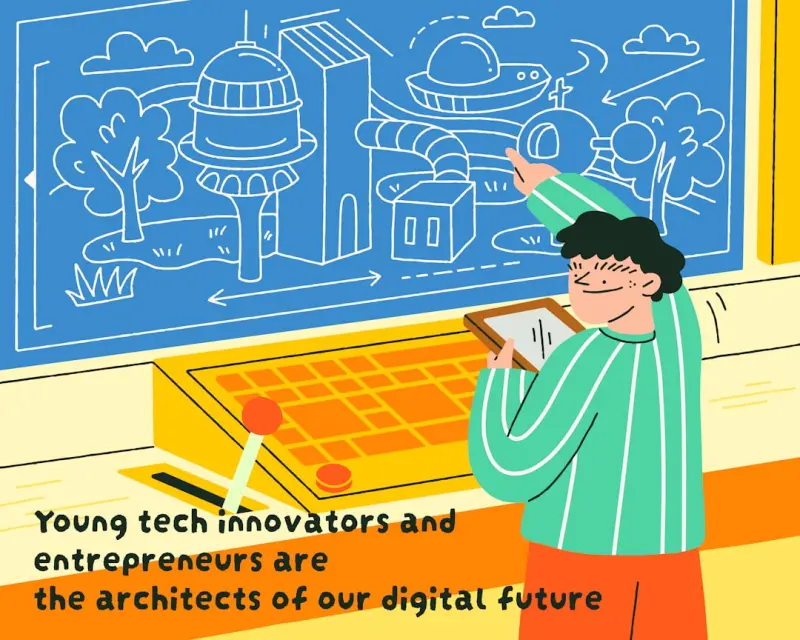
Today, the most valuable talent is no longer defined by the title on their badge, but by the skill narratives they build for themselves. In other words, the people who thrive are the ones who can design their own learning journeys, align them with business outcomes, and showcase the impact in real time. This shift is what I like to call the rise of Employee‑Curated Learning Paths—a paradigm where the learner, not the learning department, holds the compass.
The Gap Between Traditional Training and Real‑World Demands
Traditional corporate training programs were built for a world where:
- Office walls defined collaboration.
- Technology stacks changed slowly.
- Performance reviews were anchored to tenure rather than tangible output.
Fast forward to today’s reality: teams are distributed across continents, AI tools appear overnight, and market dynamics pivot with a single product release. The old “one‑size‑fits‑all” curriculum simply can’t keep pace. Employees who are forced into generic modules often feel disconnected, leading to lower engagement and higher turnover.
We’ve already seen a related evolution in rethinking employment contracts. Companies are moving from rigid hour‑based expectations to outcome‑focused agreements. The same logic applies to learning: if outcomes drive contracts, they should also drive development.
What Exactly Is an Employee‑Curated Learning Path?
At its core, an employee‑curated learning path is a self‑directed, outcome‑aligned roadmap that each team member creates, updates, and owns. It typically includes:
- Skill Identification: Pinpointing the capabilities needed for current projects and future aspirations.
- Resource Mapping: Selecting courses, mentorship, on‑the‑job experiments, and community engagements that match those skills.
- Milestone Definition: Setting concrete, measurable checkpoints that tie directly to business metrics.
- Feedback Loops: Incorporating peer reviews, manager check‑ins, and data from performance dashboards to iterate the plan.
Unlike static learning portals, these paths are dynamic. They evolve as market conditions shift, as new tools emerge, and as personal interests change. The employee remains the chief architect, while managers act as facilitators, ensuring alignment with strategic goals.
The Business Benefits of Empowered Learning
When employees drive their own development, the organization reaps multiple, measurable advantages:
- Higher Engagement: Autonomy is a proven driver of intrinsic motivation. People who choose their own learning topics report up to 30% higher satisfaction scores.
- Accelerated Skill Acquisition: Tailored pathways eliminate irrelevant content, shortening time‑to‑competence.
- Improved Retention: Employees who see a clear, personalized growth trajectory are less likely to jump ship.
- Agile Talent Pools: Teams can redeploy talent quickly when new projects arise, because skill maps are always current.
- Data‑Driven Workforce Planning: Aggregated learning data feeds into talent analytics, informing hiring, promotions, and succession planning.
These benefits echo the shift we observed in job stories. By moving from rigid titles to narrative‑driven career arcs, companies unlocked a more nuanced view of employee value—something that employee‑curated learning expands upon.
Technology Enablers: The Quiet Power Behind the Scenes
Implementing this model doesn’t require a massive overhaul of HR systems, but it does lean on a few key tech capabilities:
- Learning Experience Platforms (LXPs): Modern LXPs let users curate content from internal repositories, MOOCs, podcasts, and even community forums—all in one personalized dashboard.
- Skill Taxonomy Engines: AI‑driven tools map job responsibilities to skill clusters, making it easier for employees to see gaps and opportunities.
- Performance Analytics: Real‑time dashboards that tie learning milestones to KPIs such as sprint velocity, churn rate, or revenue impact.
- Collaboration Suites: Integrated chat, project management, and peer‑review features enable continuous feedback on learning experiments.
In many ways, this is the domain of the quiet strategist: leveraging generative AI to surface insights—like hidden skill overlaps across teams—without the fanfare of flashy dashboards.
Building a Blueprint: How to Launch Employee‑Curated Paths
Below is a step‑by‑step framework that I’ve tested with several SaaS teams. Feel free to adapt it to your organization’s culture and maturity level.
1. Establish a Shared Language for Skills
Start with a collaborative workshop where managers, HR, and a cross‑section of employees define the core skill families (e.g., data storytelling, API design, customer empathy). Use a visual taxonomy that can evolve.
2. Deploy an Intuitive LXP
Select a platform that allows “drag‑and‑drop” curriculum building. The platform should let users import external resources (Coursera, YouTube) and tag them with the skill taxonomy.
3. Set Outcome‑Based Milestones
Instead of “complete 10 modules,” ask each employee to define a measurable outcome—like “reduce onboarding time for new clients by 15% using automated demos.” The learning activities should directly support that outcome.
4. Create a Peer‑Mentor Marketplace
Encourage knowledge sharing by letting employees list mentorship offers (e.g., “I can coach on GraphQL schema design”). This marketplace fuels cross‑team learning and builds community.
5. Integrate Continuous Feedback
Implement quarterly “learning reviews” that replace traditional performance check‑ins. The focus is on progress toward milestones, not on ticking boxes.
6. Capture Data for Talent Analytics
Feed completion rates, outcome impacts, and peer endorsements into a central analytics hub. This data will inform future hiring, promotions, and compensation decisions.
7. Celebrate Success Stories Publicly
Spotlight individuals or squads who achieved notable outcomes through their curated paths. Storytelling reinforces the model and inspires others.
Real‑World Example: From Theory to Impact
One of our SaaS clients—a mid‑size customer‑success platform—piloted employee‑curated learning with a cohort of 30 product managers. Each participant identified a strategic goal: improving churn prediction accuracy by 5% within six months.
They built individualized paths that combined data‑science MOOCs, internal case studies, and paired programming sessions with the analytics team. After three months, the cohort collectively delivered a new churn‑prediction model that reduced churn by 6.2%—exceeding the target.
Beyond the metric, the company observed a 22% lift in employee Net Promoter Score (eNPS) and a noticeable drop in voluntary turnover among the participants. The success prompted an organization‑wide rollout, with the learning platform now hosting over 2,000 curated pathways.
Common Pitfalls and How to Avoid Them
Pitfall 1: Lack of Alignment – If learning outcomes aren’t tied to business goals, the effort becomes a vanity project. Mitigate by requiring each milestone to have a clear KPI linkage.
Pitfall 2: Over‑Complexity – Too many tools or a convoluted taxonomy can overwhelm users. Start simple, iterate based on feedback, and keep the UI clean.
Pitfall 3: Managerial Resistance – Some leaders may feel they’re losing control. Frame the model as “empowering, not relinquishing” and provide managers with facilitation training.
Pitfall 4: Inadequate Recognition – If achievements aren’t celebrated, motivation wanes. Build regular showcase sessions and integrate learning outcomes into performance bonuses.
Looking Ahead: The Evolution of Work
As the nature of work continues to morph, the boundary between “job” and “learning” will blur even further. Imagine a future where every project automatically suggests micro‑learning snippets, and AI curates a personal syllabus in real time. In that world, the employee‑curated learning path isn’t a program—it’s the default operating system for talent development.
For leaders, the challenge isn’t to dictate the next skill set, but to create the conditions where curiosity thrives, resources are at hand, and outcomes are celebrated. When you give people the tools to design their own growth, you’re not just filling skill gaps—you’re unlocking the full creative potential of your workforce.
So, ask yourself: What would happen if every team member owned their learning roadmap? The answer might just be the competitive edge you’ve been searching for.

In the world of freelance writing, where creativity and adaptability are paramount, Michelle Fisher stands out as a dedicated and versatile professional. With a passion for crafting compelling narratives and a keen eye for detail, Michelle has established herself as a trusted voice.
Related Posts
Unlocking Internal Talent Marketplaces: A New Era of Employee Growth
Internal talent marketplaces match employees to internal projects in real time, fostering continuous... Read More

Bite‑Size Learning: The Future of Employee Development
Micro‑learning delivers focused, on‑the‑job training in bite‑sized chunks, helping employees... Read More

Turning Curiosity into Business: The Rise of Employee‑Led Innovation Labs
Explore the power of employee‑led innovation labs, where curiosity meets strategy to deliver realâ... Read More
Top Posts
Talent Marketplaces: Redefining How Companies Find and Keep Skillful Workers
Talent marketplaces shift hiring from static job boards to dynamic, skill‑first ecosystems, enabling faster matches, better trust, and continuous workforce gr...Read More

From Garden Soil to Office Success: Rose DesRochers Redefines Home & Garden Living
Rose DesRochers shares her personal journey of turning a garden desk into a powerhouse for productivity and sustainability, offering actionable steps for modern...Read More
The AI Empathy Engine: Turning Data into Human Insight
Discover the AI Empathy Engine, a framework that transforms emotional signals from chats, meetings, and support tickets into actionable insights, enabling leade...Read More

Crafting a Daily At‑Home Spa: A Blueprint for Creative Calm
Discover a step‑by‑step guide to creating a calming at‑home spa that blends light, scent, sound, and sustainable practices, empowering you to reset, refoc...Read More
0 Comments
Post Comment
You will need to Login or Register to comment on this post!