
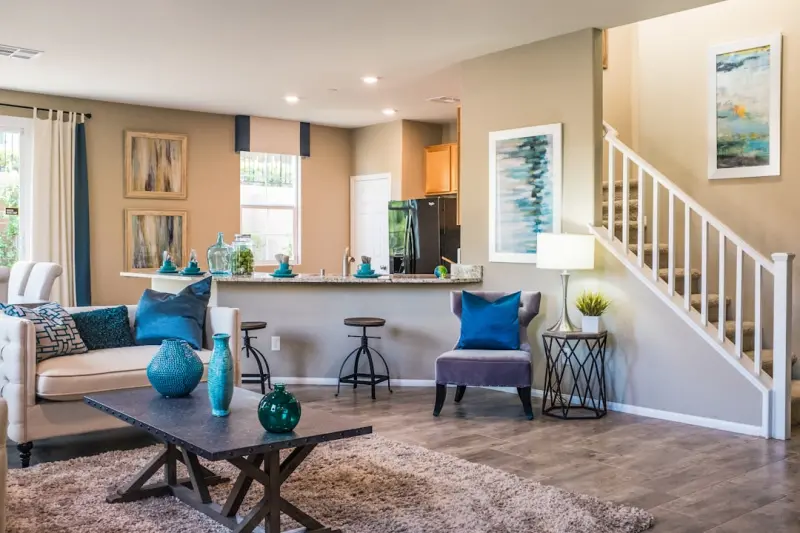
Why Home Zoning Is the Secret Weapon for a Balanced Life
When I first moved into my tiny studio apartment, I thought “just throw a rug and a plant in the corner, and I’ll feel grounded.” I was wrong. The real game‑changer wasn’t the décor; it was the way I started thinking about zones—dedicated pockets of space that serve a single purpose. By carving out intentional areas for work, relaxation, movement, and nourishment, you can transform a chaotic floor plan into a harmonious ecosystem that supports every facet of your day.
Understanding the Psychology Behind Zones
Our brains love cues. When we step into a room that looks like a bedroom, we automatically start to wind down. When the same space is littered with a laptop and a coffee mug, it sends a mixed signal that can keep us on edge. This phenomenon, known as contextual conditioning, is why you might feel “still at work” even after you’ve turned off your computer if your couch is surrounded by office supplies.
By purpose‑designing each zone, you give your mind a clear trigger: “I’m here to focus,” “I’m here to relax,” “I’m here to move.” The result? Less mental clutter, smoother transitions, and a home that feels less like a battlefield and more like a supportive ally.
Step‑by‑Step Blueprint to Zone Your Home
Below is a practical, low‑budget roadmap you can follow no matter the size of your living space. Grab a notebook, a tape measure, and let’s get zoning.
1. Map Your Current Space
- Sketch a floor plan. Even a rough doodle on a napkin works. Mark doors, windows, and built‑in furniture.
- Identify traffic flow. Note where you walk most often. This will help you avoid placing a “quiet zone” in a high‑traffic corridor.
2. Define Your Core Activities
List the top five activities you perform at home. For most people, these include:
- Focused work or study
- Relaxation (reading, streaming, meditation)
- Physical movement (yoga, quick workouts)
- Cooking and eating
- Socializing (phone calls, small gatherings)
3. Assign Zones to Activities
Match each activity to a specific area. If you have a small living room, consider a dual‑function zone—like a “work‑and‑read nook” that can switch modes with a simple furniture shuffle.
4. Use Simple Dividers
Dividers don’t have to be expensive. Think:
- Rugs. A plush rug instantly signals a new zone underfoot.
- Screen dividers or open shelving. These give visual separation without cutting off natural light.
- Plants. Tall foliage acts as a living wall, adding privacy and a breath of fresh air.
5. Light the Way
Lighting is the unsung hero of zoning. A bright, cool‑white lamp energizes a work zone, while a warm, dimmable fixture invites calm in a relaxation nook. For deeper insight into tailoring illumination, check out our smart lighting hacks guide.
6. Choose Zone‑Specific Furniture
Each zone benefits from furniture that reinforces its purpose:
- Work zone: ergonomic chair, adjustable desk, minimal clutter.
- Relax zone: comfortable lounge chair, soft throw, low‑profile side table.
- Movement zone: yoga mat, light dumbbells, wall‑mounted resistance bands.
- Cooking zone: portable island or cart that can double as a breakfast bar.
7. Add Sensory Cues
Engage more than just sight. A scented candle (citrus for focus, lavender for calm) or a soft playlist can solidify the zone’s purpose in your brain. The key is consistency—use the same scent or sound each time you enter the space.
8. Test, Tweak, and Celebrate
Live in each zone for a week. Notice how you feel entering and leaving. If the work zone still feels too “homey,” try a brighter lamp or a more structured desk setup. If the relaxation area feels too “office‑like,” swap the chair for a beanbag or add a floor pillow. Small adjustments compound into big gains.
Zone‑Specific Tips You Won’t Find Anywhere Else
Below are a few nuanced tricks that have helped me fine‑tune my own home zones.
Work Zone: The “Two‑Screen Rule”
If you need a second screen for multitasking, keep one of them on a stand that’s slightly elevated. This subtle height difference cues your brain that you’re in “productivity mode,” reducing the temptation to drift onto social media.
Relax Zone: The “Five‑Minute Reset”
Before you transition from work to relaxation, spend five minutes on a low‑tech ritual—stretch, sip a glass of water, or do a quick breathing exercise. This buffer clears the mental residue of work and signals that you’re now in a different mental state.
Movement Zone: The “Floor‑First” Approach
Place a thick yoga mat directly on the floor, and keep the rest of the room’s furniture minimal. This creates a “grounded” feeling that encourages you to stay present during workouts.
Cooking Zone: The “Prep‑Station Hack”
Use a rolling kitchen cart with wheels. When you’re not cooking, wheel it to your living area to serve as a coffee bar or snack station. This fluidity maximizes square footage while keeping the cooking zone tidy.
Social Zone: The “Conversation Circle”
Arrange seating in a semi‑circle rather than a straight line. This layout fosters eye contact and makes conversations feel more intimate, even in a small apartment.
How Zoning Interacts With Your Home’s Natural Systems
Every home is a living organism that breathes, warms, and cools itself. While we’re focusing on psychological zoning, we can also lean into passive comfort strategies to let the building’s envelope do the heavy lifting.
For example, place your work zone near a south‑facing window. Natural daylight reduces eye strain and improves alertness. Pair it with a lightweight curtain that you can draw in the afternoon to keep heat from building up. Meanwhile, the relaxation zone can be positioned away from direct sun, allowing the space to stay cooler and more conducive to winding down.
Eco‑Friendly Zoning: A Sustainable Spin
If you’re passionate about sustainability, zone design can double as a green‑living initiative. Here’s how:
- Use reclaimed furniture. A refurbished wooden desk can become the centerpiece of your work zone while reducing waste.
- Incorporate indoor plants. Not only do they act as natural dividers, they also improve air quality.
- Opt for low‑VOC paints. Paint each zone with a calming hue that’s free of harmful volatile organic compounds.
- Maximize natural ventilation. Position the movement zone near operable windows so you can enjoy fresh air while you stretch.
Technology Integration Without Overload
Technology can enhance zones, but only when used mindfully. Consider these minimalist tech upgrades:
- Smart plugs. Control a floor lamp in your relaxation zone with a voice command, ensuring the light dims without you having to fumble for a switch.
- Bluetooth speakers. Set up a single speaker in the movement zone for guided workouts, then move it to the work zone for focus‑boosting playlists.
- Wireless chargers. Embed a charging pad in a side table of the social zone, so guests can power up without cluttering cords.
Remember, the goal is to support the zone’s purpose, not to dominate it with gadgets.
Common Mistakes to Avoid
Even the most enthusiastic home‑organizer can slip up. Keep an eye out for these pitfalls:
- Over‑crowding. Trying to cram too many functions into a single zone defeats the purpose. If a space feels cramped, split the functions across two adjacent zones.
- Neglecting traffic flow. A zone placed directly in a high‑traffic pathway will be constantly disturbed, undermining focus or relaxation.
- Inconsistent lighting. Forgetting to adjust lighting when switching zones can leave you feeling drowsy during work or too alert during bedtime.
- Skipping the trial period. Jumping straight into a final layout without testing can lock you into a design that doesn’t truly serve you.
Real‑World Success Stories
Here are three quick anecdotes from readers who embraced zoning and saw tangible benefits:
- Maria, a freelance graphic designer: By moving her drafting table to a corner with a large window and adding a plush rug, she reported a 30% increase in project completion speed and a noticeable drop in eye strain.
- Jamal, a remote software engineer: He created a “focus pod” using a room divider and a standing desk. The clear visual barrier helped him separate his workday from personal time, leading to healthier work‑life boundaries.
- Leah, a new parent: She turned a small hallway corner into a “quiet corner” with a rocking chair, soft lighting, and a sound machine. The space became a refuge for nighttime feedings without disrupting the rest of the house.
Putting It All Together: Your First Zoning Sprint
Ready to give it a try? Here’s a 3‑day sprint you can run this weekend:
- Day 1 – Map & Plan. Sketch your floor plan, list activities, and draw rough zones.
- Day 2 – Divide & Decorate. Lay down rugs, set up screen dividers, place a plant, and adjust lighting.
- Day 3 – Test & Tweak. Spend at least two hours in each zone, noting comfort levels, distractions, and any needed adjustments.
After the sprint, take a step back and evaluate. If a zone feels off, don’t be afraid to shift furniture or swap a rug for a different texture. Zoning is a living process—just like the people who inhabit the space.
Final Thought: Zones as an Ongoing Conversation With Your Home
Think of zoning not as a one‑time project, but as an ongoing dialogue. As your life evolves—new jobs, new hobbies, new family members—your zones will need to adapt. Embrace that fluidity. Each adjustment is a chance to better align your environment with your evolving needs, turning your home into a true partner in your daily journey.

Steph Sanderson is a Toronto-based freelance writer and content creator with a clear passion: crafting compelling articles. With a dedication to clear, engaging prose and a knack for storytelling, Steph brings a wealth of experience to every project.
Related Posts

Unlock Hidden Savings: Everyday Energy Hacks for a Greener Home
A practical guide to trimming your home’s energy use—room‑by‑room hacks that lower bills, im... Read More
Hidden Harmony: Simple Home Tweaks for Calm and Clarity
Learn how to turn overlooked corners into calming micro‑sanctuaries with affordable materials, aco... Read More
Hidden Home Wins: Everyday Tweaks That Transform Your Space
Unlock overlooked spaces and eco‑friendly tricks to upgrade your home’s functionality and feel. ... Read More
Top Posts
Seasonal Home Refresh: A Holistic Checklist for a Healthier, Brighter Space
A step‑by‑step seasonal checklist that covers air quality, natural lighting, storage, textiles, energy efficiency, and a dedicated reset zone, helping you m...Read More

Texture‑Driven Personal Care: Why Feel Matters More Than You Think
Discover the power of texture in daily routines, from warm mugs to cool rollers, and learn how subtle sensory cues can transform personal care into a strategic ...Read More

AI as a Collaborative Co‑Creator: Transforming Product Decisions with Ethical Insight
Discover a fresh approach to AI that treats it as a trusted teammate, delivering transparent, ethical, and actionable insights to boost product decision‑makin...Read More
Green Workspaces: Jimmy Damon’s Journey from Garden Desk to Employment Revolution
Jimmy Damon reveals how turning a garden desk into a thriving workspace reshapes employment, boosting creativity, morale, and sustainability in today’s work c...Read More
0 Comments
Post Comment
You will need to Login or Register to comment on this post!