
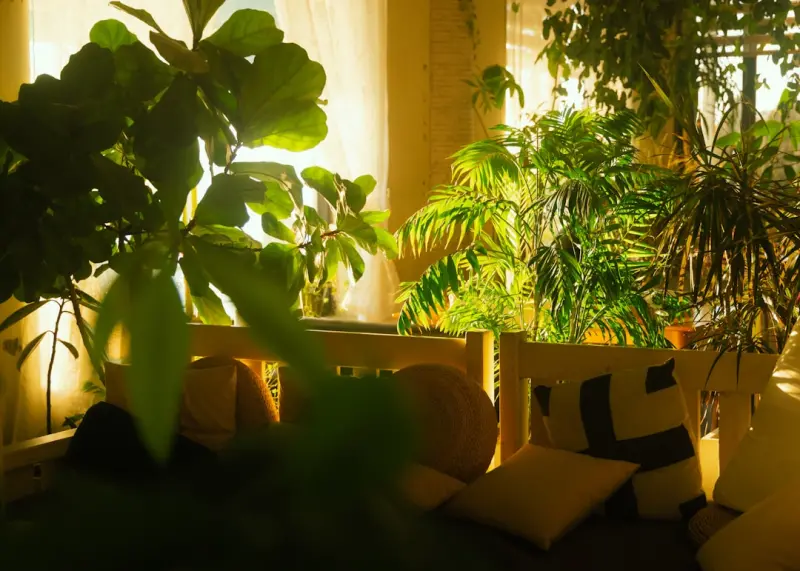
When I first moved into my city‑center apartment, the biggest surprise wasn’t the lack of yard space – it was how dramatically the angle of a single window could dictate the success of my fledgling indoor garden. I quickly learned that sunlight isn’t just a decorative backdrop; it’s the lifeblood of every leaf, stem, and root. Over the months, I’ve turned that revelation into a methodical, science‑backed routine that anyone—whether you have a sun‑drenched loft or a modest north‑facing studio—can adopt. Below is my step‑by‑step guide to coaxing the most out of the light that already streams through your windows.
Why Light Is the Unsung Hero of Home Gardening
Plants perform photosynthesis, a process that converts light energy into the sugars they need to grow. While most of us think of “water and soil” as the primary care factors, the quality, intensity, and duration of light are equally, if not more, decisive. A plant that receives insufficient light will stretch, turn pale, and eventually stall. Conversely, too much direct sun can scorch delicate foliage, especially in an indoor setting where heat buildup around windows can be deceptive.
Understanding the light spectrum (the mix of blue, green, and red wavelengths) also matters. Blue light fuels vegetative growth, while red light encourages flowering and fruiting. Modern LED grow lights mimic these spectra, but natural sunlight provides the full, balanced range—if you can capture it effectively.
Measuring Light: From Intuition to Accurate Data
The first step is to stop guessing and start measuring. A simple lux meter (often sold as a “light meter” for photographers) will give you a reliable reading of light intensity at a specific spot. Here’s how to use it:
- Place the meter at plant height. Measure at the exact level where the foliage sits.
- Take readings at different times. Capture data at sunrise, midday, and late afternoon for a full picture.
- Average the results. Most indoor plants thrive in 1,000–3,000 lux for low‑light species and 5,000–10,000 lux for sun‑loving varieties.
If you don’t own a meter, a quick smartphone app (many are free) can provide a reasonable estimate. The key is consistency—measure the same spot each day for a week to identify patterns.
Choosing the Right Plants for Your Light Profile
Once you know how much light you actually have, match your plant roster accordingly. Below is a quick reference:
- Low Light (under 1,000 lux):ZZ plant, Snake plant, Cast iron plant.
- Medium Light (1,000–5,000 lux):Philodendron, Pothos, Spider plant.
- High Light (5,000+ lux):Herbs (basil, thyme), Succulents, Fiddle‑leaf fig.
When in doubt, start with a resilient, adaptable species and observe how it responds. Adjust placement as needed—most plants will give you visual cues (leaning toward light, yellowing leaves) within a week or two.
DIY Light Enhancements That Won’t Break the Bank
After mapping your light levels, you’ll often find gaps—especially in corners or on the north side of a room. Instead of splurging on expensive grow rigs, consider these budget‑friendly upgrades:
- Reflective panels. Attach white foam board, mirrored acrylic, or even aluminum foil (safely behind the plant) to bounce extra light onto shaded spots.
- Sheer curtains. Light‑filtering curtains soften harsh midday sun while still allowing ample illumination, preventing leaf burn.
- Adjustable shelving. Use tiered shelves that can be tilted toward the window as the sun moves across the sky.
For a deeper dive into low‑cost solar solutions, check out this DIY Solar Gardens guide. The concepts translate nicely to indoor setups—think small solar panels powering a modest LED strip for extra boost during overcast days.
Seasonal Adjustments: Riding the Sun’s Annual Rhythm
Even if you live in a climate with relatively stable daylight, the angle and intensity of the sun shift throughout the year. Here’s how to stay ahead:
- Winter: Days are shorter and the sun sits lower. Move plants closer to the window, reduce reflective barriers, and consider a supplemental LED light for 12‑hour periods.
- Summer: Direct sun can become intense. Pull back sheer curtains, rotate plants every few days to avoid one side getting scorched, and increase watering frequency as evapotranspiration rises.
- Spring/Fall: Transition periods are ideal for repotting or introducing new species that need moderate light.
Keeping a simple spreadsheet—date, lux reading, plant location—helps you spot trends and pre‑emptively tweak conditions.
Integrating Light Optimization With a Larger Eco‑Vision
If you’ve ever been inspired by larger scale projects like a miniature ecosystem guide, you’ll appreciate how indoor light management fits into a holistic home‑garden strategy. By treating each window as a mini‑greenhouse, you can create a layered ecosystem: low‑light foliage at the back, medium‑light herbs in the middle, and high‑light succulents in front. This not only maximizes visual appeal but also fosters micro‑habitats for beneficial insects (like tiny indoor pollinators) and improves air quality.
Common Mistakes and How to Avoid Them
Even seasoned growers slip up. Here are the most frequent pitfalls and quick fixes:
- Relying solely on “sunny window” labels. Not all sunny windows deliver the same lux. Measure and verify.
- Neglecting the distance factor. Light intensity drops dramatically after just a few feet. Keep plants within 2‑3 feet of the light source when possible.
- Forgetting leaf orientation. Rotate plants 90° weekly to ensure even growth.
- Over‑watering to compensate for low light. Dark, soggy soil invites root rot. Adjust watering based on the plant’s actual light‑driven growth rate.
Putting It All Together: A Sample Weekly Routine
Here’s a concise checklist you can paste on your fridge:
- Monday: Lux check at each plant’s location (morning).
- Tuesday: Rotate
- Wednesday: Adjust reflective panels based on Monday’s readings.
- Thursday: Water
- Friday: Inspect leaves for signs of light stress (yellowing, scorching).
- Saturday: Swap
- Sunday: Plan
Consistency is the secret sauce—your plants will reward you with vigor, color, and even a subtle boost to indoor air quality.
Beyond Aesthetics: The Tangible Benefits of a Light‑Optimized Indoor Garden
While the visual payoff of thriving greenery is undeniable, research shows indoor plants can reduce CO₂ levels, lower indoor temperature by up to 2 °C, and increase humidity, which can ease dry‑skin concerns. When you pair a well‑lit garden with strategic placement near workstations, you also gain a natural stress‑reliever—no digital detox required, just a splash of chlorophyll and the gentle sway of leaves.
Final Thoughts: Light Is Your Most Accessible Garden Tool
Unlike fertilizers or specialized grow media, sunlight is free, renewable, and abundantly available—if you know how to capture it. By measuring, matching, and tweaking, you transform ordinary windows into powerful growth engines. The next time you glance at a sunny spot on your floor, imagine the thriving garden it could host. With a little curiosity and the practical steps above, you’ll turn that imagined oasis into a living, breathing reality.

Mei Chen is a dynamic professional who brings a unique blend of skills to Blogging Fusion. As a key contributor to the Blogging Fusion platform, she leverages her writing expertise to create engaging content that resonates with our audience.
Related Posts
Cultivating a Backyard Oasis: Sustainable Practices for Modern Living
A practical guide to building a sustainable backyard oasis, covering soil health, water conservation... Read More
How to Craft a Welcome‑Mat Worthy Entryway That Sets the Day Right
A well‑designed entryway can lower stress, improve flow, and set a positive tone for the day. Disc... Read More
From Closet to Sanctuary: Reimagining Overlooked Home Spaces
Learn to turn underused areas like laundry rooms, hallway closets, and attic nooks into calming retr... Read More
Top Posts

Biofeedback Gaming: A New Frontier for Stress Resilience
Biofeedback gaming turns stress training into an interactive adventure, using real‑time physiological data to help you master calm, focus, and resilience whil...Read More

Reclaiming Calm: Breathwork Strategies for a Busy World
Discover how intentional breathing can reset your nervous system, enhance focus, and reduce stress, with simple daily routines and tools for busy professionals....Read More

Harnessing Breath: How Wearable Biofeedback Can Rewire Your Stress Response
Learn how wearable biofeedback transforms ordinary breathing into a powerful tool for stress reduction, enhanced focus, and overall health, using simple daily m...Read More

Seasonal Home Reset: A Practical Checklist for Every Quarter
A quarter‑by‑quarter guide that blends quick wins with larger projects, helping you maintain energy efficiency, indoor health, and a personalized, clutterâ€...Read More
0 Comments
Post Comment
You will need to Login or Register to comment on this post!