
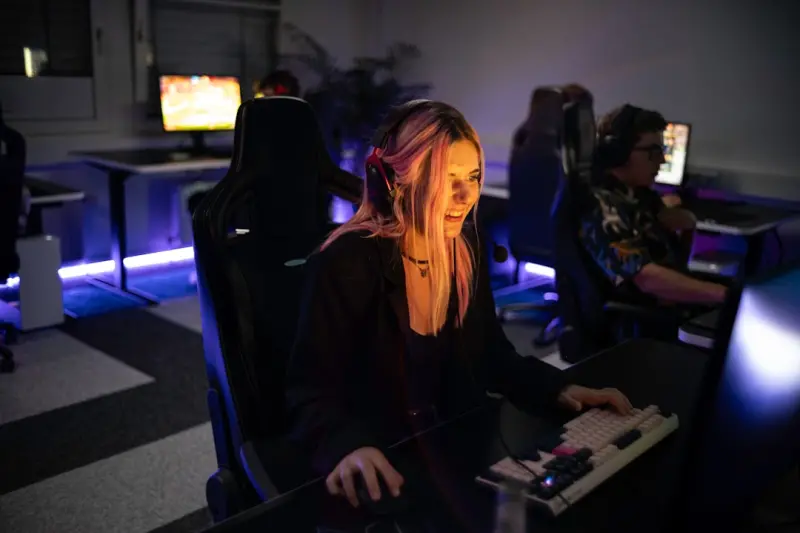
Why Biofeedback Gaming Is the Next Evolution in Stress Management
When I first stumbled upon a headset that could read my heart rate while I was battling digital dragons, I thought it was a gimmick. Fast‑forward a few months, and I’m coaching teams on how to embed these tools into their wellness playbooks. The shift from passive meditation apps to active, sensor‑driven games isn’t just a tech trend—it’s a cultural pivot that reframes stress as a skill we can train, not a foe we must avoid.
The Science That Powers the Play
At its core, biofeedback is a dialogue between body and brain. Sensors capture physiological signals—heart rate variability (HRV), skin conductance, breathing patterns—and feed them back to the user in real time. When you see a visual cue that your heart is racing, you can consciously engage breathing techniques to calm it. This loop has been used in clinical settings for decades, but only recently has the latency dropped low enough for seamless integration with fast‑paced games.
Neuroscience tells us that HRV, in particular, is a reliable marker of autonomic flexibility. Higher variability means the nervous system can pivot quickly between stress (sympathetic) and rest (parasympathetic) states. Training that flexibility through gameplay can improve attention, emotional regulation, and even immune function.
From Passive Meditation to Active Play
Traditional mindfulness tools often rely on solitary, static practice. Biofeedback gaming flips that script by adding challenge, narrative, and competition. Imagine a rhythm‑based game where each beat aligns with your breath. Miss a breath, and the environment glitches; nail the rhythm, and the world blooms. The instant feedback turns abstract concepts like “stay calm” into concrete, measurable actions.
This approach also sidesteps a common barrier: boredom. Many people abandon meditation because it feels like a chore. By embedding the practice within a story or a leaderboard, you tap into the brain’s reward circuitry—dopamine spikes for progress, curiosity for new levels, and social validation when you share scores.
Real‑World Applications That Already Exist
Several startups have launched platforms that pair wearable sensors with mobile games. Some focus on anxiety reduction for teens, using cartoon avatars that grow stronger as the player lowers their cortisol levels. Others target corporate wellness, turning team‑wide stress challenges into virtual expeditions across imagined landscapes.
In practice, I’ve seen teams cut average meeting anxiety scores by 30 % after a six‑week pilot that combined a simple biofeedback ring with a cooperative puzzle game. Employees reported feeling more “in the zone” and less “wired” during high‑stakes presentations. The data echoed what Designing Digital Boundaries describes: intentional tech use can reshape mental states when the interaction is purposeful.
Getting Started: A DIY Blueprint
- Select a sensor. Affordable options include chest‑strap heart monitors, fingertip pulse oximeters, or even smartwatches that expose HRV data via APIs.
- Choose a compatible game. Look for titles that advertise “biofeedback integration” or open SDKs for custom development. Many indie developers release free trials that let you map your physiological data to in‑game events.
- Set baseline metrics. Spend a week recording your resting HRV and breathing rate. This baseline becomes the reference point for measuring improvement.
- Define goals. Are you aiming to reduce acute stress before presentations, improve sleep, or enhance focus during coding sprints? Clear goals help you select the right game mechanics—speed challenges for adrenaline control, or slow‑puzzle modes for calming breath.
- Iterate and reflect. After each session, jot down how you felt, what the game metrics showed, and any patterns you notice. Over time, you’ll see the correlation between in‑game performance and real‑world composure.
Integrating Biofeedback Play into Daily Routines
One of the biggest hurdles is consistency. The beauty of gaming, however, is its modular nature. A ten‑minute “level” can replace a morning coffee ritual, while a quick “boss fight” can serve as a mid‑afternoon reset. Pair the session with a physical cue—standing at a window, stretching, or even watering a plant—to anchor the digital experience to a tangible environment.
For teams, schedule “stress‑sprint” sessions at the end of a sprint cycle. Use the collective data to celebrate improvements, not to shame low performers. Transparency turns the activity into a shared growth story, aligning with the collaborative spirit found in Urban Forest Bathing initiatives that blend community and nature for wellbeing.
Potential Pitfalls and How to Navigate Them
- Data overload. Seeing raw numbers can be intimidating. Choose platforms that translate metrics into intuitive visuals—color changes, avatar health bars, or ambient sounds.
- Over‑gamification. If the competition becomes the focus, you risk swapping one stressor for another. Emphasize personal progress and collaborative milestones over leaderboard rankings.
- Device accuracy. Not all wearables are created equal. Validate the sensor’s reliability in a controlled setting before scaling organization‑wide.
- Privacy concerns. Physiological data is sensitive. Ensure any platform you adopt complies with data protection standards and offers clear opt‑in mechanisms.
Future Outlook: Where Biofeedback Gaming Could Go
The next wave will likely blend augmented reality (AR) with environmental sensors, turning an office floor into a dynamic stress‑mapping canvas. Imagine walking through a hallway where the lighting subtly shifts based on collective HRV, prompting you to pause at a calming “zone” when tension spikes. Such integrations could make stress management a shared, visible experience rather than a hidden personal battle.
Machine learning will also refine feedback loops, predicting when a user is on the brink of a cortisol surge and nudging them toward a pre‑emptive breathing exercise—essentially an AI‑guided coach that never sleeps.
Finally, we may see cross‑disciplinary collaborations: psychologists designing narrative arcs that mirror therapeutic models, game designers crafting levels that mimic exposure therapy, and hardware engineers building ultra‑low‑latency sensors that feel like extensions of the body.
Conclusion: Play Your Way to Resilience
Stress isn’t going away, but our relationship to it can evolve. By turning physiological awareness into a game, we give ourselves a sandbox for experimentation—a low‑stakes arena where failure is simply a data point, and mastery feels like unlocking the next level of mental stamina. If you’ve ever felt that traditional mindfulness tools were too static, or that corporate wellness programs lacked engagement, biofeedback gaming offers a compelling middle ground: science‑backed, immersive, and, most importantly, fun.
So, the next time you reach for a stress‑relief app, consider swapping it for a headset, a controller, and a quest that teaches your nervous system to dance instead of twitch. The future of health might just be a high‑score you can’t wait to beat.

Tyler Johnson is a seasoned freelance writer with a keen eye for detail and a passion for crafting compelling narratives. His years of experience have honed his ability to adapt his style to suit diverse client needs and project requirements.
Related Posts

Fermented Foods: The Unsung Heroes of Gut‑Brain Wellness
Explore the powerful link between fermented foods and the gut‑brain axis, with easy starter kits, ... Read More

Cold Exposure: Harnessing the Frost to Boost Immunity and Mental Clarity
Cold exposure isn’t just for athletes; it’s a simple, science‑backed practice that can boost i... Read More

Sip Smart: How Hydration Timing Supercharges Your Brain at Work
Learn how timing your water intake to match your body’s natural cycles can sharpen focus, lift moo... Read More
Top Posts

Urban Home Gardens: Biophilic Design Meets Smart Tech
From lighting tricks to vertical hydroponics, learn step‑by‑step how to create a thriving indoor garden in any city apartment, blending natural elements wit...Read More

Micro‑Immersions: Turning Tiny Breaks into Big Memories
Learn the micro‑immersion strategy that lets you extract rich, memorable travel experiences from short breaks by focusing on a single sensory thread and local...Read More

Bring the Outdoors In: A Guide to Biophilic Home Design
Discover how to infuse natural light, air‑purifying plants, organic textures, and soothing soundscapes into your home, creating a biophilic sanctuary that enh...Read More

Micro‑Moments, Journaling, and the Quiet Path to Mental Balance
Explore how tiny intentional pauses, creative journaling, and mindful digital habits can transform daily stress into lasting mental balance....Read More
0 Comments
Post Comment
You will need to Login or Register to comment on this post!