
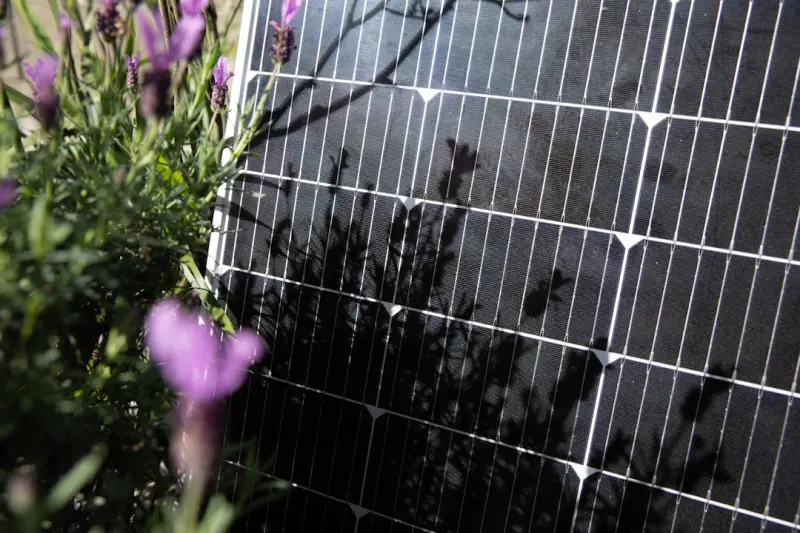
Harvesting Sunlight: How to Build a DIY Solar Garden That Powers Your Home and Feeds Your Soul
When I first moved into my modest bungalow on the edge of town, the biggest dilemma I faced wasn’t choosing paint colors or finding the perfect rug—it was figuring out how to make the most of the sun that streamed through my south‑facing windows. I’m a lifelong lover of green spaces, but I also work a full‑time remote job that keeps my energy bills hovering at a level that makes me wince. The answer, I discovered, lay in marrying two of my passions: gardening and sustainable technology.
In this post, I’m going to walk you through the entire process of creating a DIY solar garden—from selecting the right plants and solar panels to wiring a simple, low‑voltage system that powers garden lights, a tiny water feature, or even a small herb‑drying rack. Whether you have a sprawling backyard or a modest balcony, there’s a version of this project that can fit your space, budget, and level of DIY confidence.
Why a Solar Garden Is the Next Big Thing for Homeowners
Before we dive into the nuts and bolts, let’s explore why a solar garden isn’t just another fad:
- Energy Savings: Even a modest 100‑watt solar panel can offset a portion of your outdoor lighting costs, reducing your monthly utility bill.
- Environmental Impact: By generating clean energy on‑site, you shrink your carbon footprint and set an example for neighbors and friends.
- Therapeutic Value: There’s something profoundly calming about watching sunlight power the very garden you tend. It reinforces a feeling of self‑sufficiency and connection to the natural world.
- Design Flexibility: Solar components are now sleek, lightweight, and available in a range of aesthetics that can blend seamlessly with rustic, modern, or cottage‑core styles.
And if you’re wondering whether you need a massive, roof‑mount array to get started, the short answer is no. A Multi‑Functional Furniture Secrets mindset—thinking of each garden element as serving multiple purposes—will guide you toward compact, efficient solutions.
Planning Your Solar Garden: The Foundations
1. Assess Your Sunlight Exposure
Use a simple sun‑tracking app on your phone, or just observe the spot where you plan to install your panels for a full week. Note the hours of direct sunlight and any shading from trees, nearby houses, or seasonal changes. Ideally, you’ll want at least 5–6 hours of unfiltered sun per day.
2. Choose the Right Location
Pick a place where your garden will thrive and where the solar panel can be mounted safely. Common options include:
- Behind a shed or pergola, angled to capture the sun.
- A sturdy wall mount on a sunny side of the house.
- A freestanding pole in a raised garden bed.
Remember: the panel should face true south (in the Northern Hemisphere) or true north (Southern Hemisphere) for maximum output.
3. Decide on the Garden Theme
While the solar system is the backbone, the plants you choose give the garden its personality. Some ideas that pair beautifully with solar power:
- Night‑Blooming Flowers: Their fragrant blossoms come alive after dark, amplified by solar‑powered fairy lights.
- Edible Herbs & Micro‑Greens: Plant a small “Kitchen Herb Oasis” right under a solar‑lit canopy for fresh seasonings and a touch of green.
- Water‑Loving Plants: A solar pump can circulate water in a mini pond, creating soothing sounds that double as a natural white noise machine.
Choosing Your Solar Components
Here’s a quick inventory of the essential pieces you’ll need, along with budget‑friendly recommendations:
- Solar Panel (50–200 W): Monocrystalline panels offer high efficiency in compact sizes. Look for a “plug‑and‑play” model with built‑in charge controller.
- Battery (Optional): A small deep‑cycle lithium‑ion battery stores excess energy for cloudy days or evening use.
- Charge Controller: Regulates voltage to protect your battery and devices.
- Low‑Voltage LED Lights: Warm‑white string lights, spotlights, or rope lights create ambience without draining power.
- Water Pump (if you want a fountain): Submersible, solar‑powered pumps are available for up to 20‑gallon reservoirs.
- Mounting Hardware: Adjustable brackets, tilt brackets, and weather‑proof wiring conduits.
For beginners, I recommend a “solar garden kit” that bundles the panel, controller, and a few lights. These kits usually come with clear instructions, making the initial setup a breeze.
Step‑by‑Step Build Guide
Step 1: Prepare the Ground
Clear any debris, level the soil, and add a layer of compost. If you’re working on a balcony, lay down a waterproof tray to catch excess water and protect the floor.
Step 2: Install the Solar Panel
- Secure the mounting bracket to a sturdy surface—use lag bolts for wood or masonry anchors for concrete.
- Attach the panel, adjusting the tilt to match your latitude (approximately your latitude angle plus 15° for winter optimization).
- Run the panel’s cable through a waterproof conduit to your charge controller, which you’ll place in a sheltered, ventilated box.
Step 3: Wire the Battery and Controller
If you’ve opted for a battery, connect it to the controller following the manufacturer’s polarity diagram. The controller will then feed power to your garden lights, pump, or any other low‑voltage accessories.
Step 4: Plant Your Garden
Choose a mix of perennials, annuals, and edibles that match your light conditions. Plant taller specimens at the back, and keep the solar panel’s shade footprint in mind—you don’t want your plants to cast shadows on the panel.
Step 5: Add the Solar‑Powered Features
- Lighting: Hang LED string lights along a trellis, drape them around a pergola, or embed them in the soil for a “glow‑in‑the‑dark” effect.
- Water Feature: Place the pump in a shallow basin, run a flexible tube to a decorative stone or miniature waterfall, and let the solar panel power a gentle cascade.
- Herb Drying Rack: Install a small, solar‑lit rack near your herbs for natural drying—perfect for creating your own spice blends.
Step 6: Test and Tweak
Once everything’s wired, watch the system come alive at dusk. Adjust light angles, reposition plants if they start shading the panel, and fine‑tune the pump flow rate. This is where the joy of a hands‑on project really shines.
Maintenance Tips to Keep Your Solar Garden Thriving
Solar gardens are low‑maintenance, but a few habits will ensure longevity:
- Clean the Panel Quarterly: Dust and bird droppings can cut efficiency by up to 20 %.
- Inspect Wiring Annually: Look for frayed insulation or loose connections, especially after harsh weather.
- Check Battery Health: If using a battery, monitor charge cycles and replace after 2–3 years of heavy use.
- Rotate Seasonal Plants: Swap out annuals for winter‑hardy perennials to keep the garden vibrant year‑round.
Bringing the Solar Garden Indoors: A Hybrid Approach
For those with limited outdoor space, consider a solar window box. Install a small, flexible solar panel on a sunny windowsill, connect it to a low‑voltage LED strip, and grow shade‑tolerant herbs like mint or basil inside. The same panel can also power a tiny indoor fan for air circulation, creating a mini‑climate that benefits both plants and your living space.
Story Time: My First Solar Garden Night
It was a crisp autumn evening when my solar garden finally lit up. I’d set up a modest 100‑watt panel, a handful of fairy lights, and a whisper‑quiet fountain. As the sun dipped below the horizon, the lights flickered on, casting a soft amber glow over the rosemary, lavender, and a few wild strawberries. I brewed a cup of tea, stepped onto my back porch, and listened to the gentle hum of the pump. In that moment, I felt a profound sense of alignment—my home, my garden, and the sun working together in harmony.
That experience reminded me why I love DIY projects: they’re not just about the end product, but about the journey of learning, improvising, and ultimately, creating a space that reflects your values.
Scaling Up: From One Plot to a Community Solar Garden
If you find yourself craving more impact, consider expanding your project into a neighborhood initiative. Gather a handful of interested neighbors, pool resources for a larger panel array, and design a shared garden that feeds multiple households. Community solar gardens can become gathering spots, educational hubs, and even sources of fresh produce for local food banks.
Wrapping Up: Your Turn to Shine
Building a DIY solar garden is a rewarding blend of creativity, sustainability, and a dash of engineering. It proves that you don’t need a massive roof or a deep pocket to harness the sun’s power. With a little planning, some modest investment, and a willingness to get your hands dirty, you can transform a quiet corner of your home into a luminous oasis that saves energy, nurtures plants, and feeds the soul.
Ready to get started? Grab a panel, sketch a layout, and let the sunshine do the rest. I can’t wait to hear about the gardens you create—share your stories in the comments, and let’s keep the conversation glowing.

Armed with a degree in English Literature, Jill’s journey into the digital space wasn't just a career move; it was a natural extension of her lifelong love affair with storytelling. While some writers view search engine optimization (SEO) as a rigid constraint, Jill sees it as a creative puzzle. She understands the delicate art of balancing the algorithmic demands of search engines with the human desire for resonance, emotion, and value. To Jill, keywords aren't just targets to hit; they are the breadcrumbs that lead eager readers straight to the answers they’ve been searching for.
Related Posts

The Art of the Seasonal Window Garden: Bringing the Outdoors Inside
Learn to create a vibrant, year‑round window garden that adds fresh herbs, colors, and calming sce... Read More
Crafting a Sensory Garden: A Playful Path to Outdoor Bliss
Learn to build a multi‑sensory garden that engages all five senses, using color, texture, fragranc... Read More
Garden Desks: Turning Your Backyard Into a Productivity Oasis
Explore the garden desk craze and how a simple outdoor workspace can skyrocket your productivity whi... Read More
Top Posts

Cold Water Immersion: Unlocking a Natural Boost for Body and Mind
Explore the science behind cold water immersion, learn practical ways to add it to your routine, and uncover its mental and physical benefits for a healthier, m...Read More
Micro‑Habit Architecture for Mental Resilience
Discover a practical framework of micro‑habits that quietly rewire your brain for stress resistance, focus, and sustainable performance....Read More

Smart Water and Air Hacks for a Healthier Home
A practical guide to reducing water use, improving indoor air quality, and designing focus‑friendly spaces—all with affordable, everyday tweaks that transfo...Read More

When AI Becomes Your Quiet Partner in Decision‑Making
Discover how a low‑key AI partner can surface blind spots, simulate outcomes, and amplify human judgment, turning data into confident decisions across finance...Read More
0 Comments
Post Comment
You will need to Login or Register to comment on this post!