
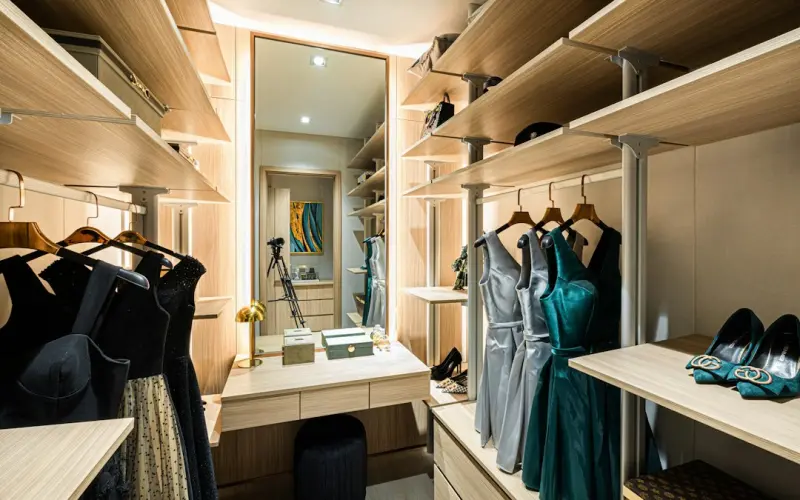
Rediscovering the Hidden Corners of Your Home
When I first moved into my new apartment, I was thrilled by the open‑plan living area, the sun‑filled bedroom, and the balcony that offered a view of the city skyline. Yet, as the weeks passed, I realized there were spaces I’d been overlooking entirely – the laundry room, the narrow hallway closet, even the attic nook under the eaves. These “forgotten” areas held untapped potential for comfort, creativity, and calm. In this post, I’ll walk you through how I turned three of those hidden corners into functional sanctuaries without breaking the bank or sacrificing style.
1. The Laundry Room: From Chore Zone to Quiet Retreat
Most people see the laundry room as a purely utilitarian space, a place for washing, drying, and folding. I decided to flip that narrative. By introducing a few simple elements, I transformed my laundry room into a mini‑retreat that I actually look forward to visiting.
- Soft Lighting: Harsh fluorescent bulbs are a mood‑killer. I swapped them for warm LED strips that run along the baseboards. The subtle glow creates a calming ambiance and makes the space feel larger.
- Acoustic Cushioning: The clatter of the dryer can be jarring. I added acoustic panels painted in a muted sage hue. They absorb sound and double as decorative art.
- Greenery: A small, low‑maintenance fern on a shelf not only purifies the air but also adds a splash of life. Choose plants that thrive in indirect light and can handle occasional temperature changes.
- Multi‑Purpose Seating: A narrow bench with hidden storage lets you sit while waiting for cycles to finish, and it doubles as a place to stash laundry supplies.
Once I had the basics in place, I began to think about the mental space the room offered. I started listening to podcasts or audiobooks while folding, turning a mundane task into a learning moment. The transformation reminded me of how small environmental tweaks can dramatically shift our mindset.
2. The Hallway Closet: A Mini‑Studio for Hobbies
The narrow hallway closet opposite the front door was always a dumping ground for coats and umbrellas. Rather than continue to let it collect clutter, I envisioned a compact creative studio. Here’s how I made it happen:
- Custom Shelving: I installed floating shelves that fit the closet’s depth, providing space for sketchbooks, yarn, or a small sewing machine. The shelves keep tools organized and visible, encouraging spontaneous creativity.
- Mirrored Back Panel: A full‑length mirror not only expands the visual space but also serves a functional purpose for trying on outfits or checking posture while working.
- Task Lighting: A flexible arm LED lamp offers focused illumination without lighting up the entire hallway, perfect for detailed work after dark.
- Portable Seating: A fold‑away stool slides into the closet when needed, then tucks away neatly, preserving the flow of the hallway.
With this mini‑studio, I’ve been able to pick up knitting during lunch breaks and sketch ideas for my home décor projects. The closet now feels like a secret atelier – a place that fuels my creativity without encroaching on the main living areas.
3. The Attic Nook: A Personal Reading Alcove
Above the bedroom lies an often‑ignored attic space with sloping ceilings and a small window. I saw an opportunity to create a cozy reading nook that would become my go‑to spot for winding down after a long day.
- Insulation Upgrade: Adding a thin layer of acoustic insulation helped regulate temperature and reduce any echo, making the space more comfortable year‑round.
- Built‑In Seating: I constructed a low bench that follows the curve of the roof. It includes hidden compartments for books and a small side table for a cup of tea.
- Layered Textiles: A plush rug, soft throws, and a couple of oversized pillows create a tactile experience that invites you to linger.
- Ambient Lighting: Battery‑operated fairy lights drape along the eaves, offering a gentle glow that’s perfect for evening reading.
The result is a pocket of serenity that feels worlds away from the bustle of the rest of the house. It’s a reminder that even the most modest square footage can become a personal sanctuary when approached with intention.
Connecting Your Home’s Hidden Spaces to Your Lifestyle
Transforming overlooked areas isn’t just about aesthetics; it’s about aligning your environment with the rhythms of your daily life. For example, setting healthy tech habits at home can dramatically improve your sense of balance. By creating designated zones for specific activities—like a quiet reading corner or a focused hobby station—you signal to your brain what to expect, reducing decision fatigue and fostering a more intentional routine. Setting healthy tech habits at home can be as simple as keeping devices out of your new sanctuary spaces, allowing you to fully engage with the activity at hand.
Similarly, making your kitchen a serene hub can enhance both nutrition and productivity. While my laundry room transformation focused on calming the senses, the kitchen can serve a parallel purpose. Making your kitchen a serene hub involves curating the visual and tactile elements to support mindful cooking and eating, which in turn fuels the rest of your day.
Practical Tips for Any Homeowner
- Start Small: Pick one underused area and set a realistic goal for its makeover. A single change, like adding a lamp or a shelf, can spark further inspiration.
- Choose Multi‑Functional Furniture: Pieces that double as storage, seating, or workspace maximize the utility of limited square footage.
- Embrace Natural Materials: Wood, woven baskets, and natural fibers add warmth and texture without overwhelming the space.
- Mind the Light: Use a mix of ambient, task, and accent lighting to create layers that can be adjusted based on activity and mood.
- Personalize with Meaningful Objects: A favorite photograph, a travel souvenir, or a handcrafted item adds emotional resonance, making the space feel truly yours.
Conclusion: The Power of Intentional Re‑Imagination
Our homes are more than the sum of their visible rooms; they’re a tapestry woven from every nook, cranny, and hidden corner. By consciously re‑imagining these overlooked spaces, we unlock new opportunities for relaxation, creativity, and personal growth. The journey from a plain laundry room to a calming retreat, from a cluttered closet to a mini‑studio, and from an attic attic to a reading alcove illustrates how small, thoughtful interventions can have a ripple effect throughout our lives.
Next time you walk through your home, pause at the places you normally bypass. Ask yourself what function they could serve, what feelings you want to cultivate there, and how a modest change might improve your day‑to‑day experience. You might be surprised at the transformation that follows.

Melanie Wilson, Freelance writer with a flare for everything. I am passionate about topics I write crafting stories and compelling content that connect with audiences. Journeying through the realms of creativity as a freelance creator. #WriterLife #ContentCreator
Related Posts
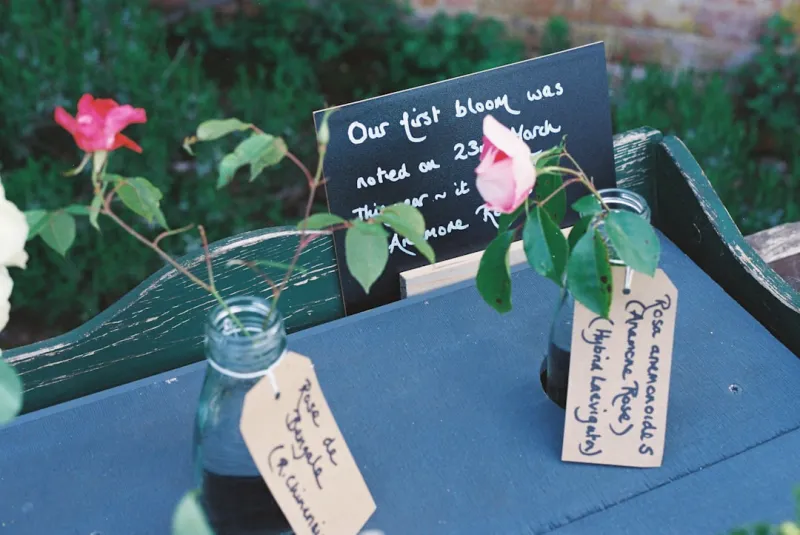
Garden Desks: How Rose DesRochers Is Redefining Home & Garden Living
Rose DesRochers shares her personal journey turning backyard spaces into thriving green workstations... Read More

Smart Water Management for a Greener Home Garden
Learn practical, tech‑driven strategies to save water, reduce costs, and create a resilient garden... Read More

Crafting a Cozy Home Reading Nook That Feels Like a Retreat
Learn to turn an overlooked corner into a serene reading nook with comfortable seating, perfect ligh... Read More
Top Posts

When Algorithms Meet Empathy: Harnessing AI for Human‑Centric Decision‑Making
Artificial intelligence can be a powerful decision‑making partner, but only when it’s grounded in human values. This post outlines a three‑pillar framewor...Read More

Creating an Invisible Buffer: Guarding Your Mind in a Hyper‑Connected Workday
Discover the Invisible Buffer—a set of low‑effort habits that protect mental space amid nonstop notifications, AI alerts, and digital overload, empowering y...Read More
Quiet Corners: How to Design Acoustic Sanctuaries in Any Home
Discover practical, budget‑friendly ways to transform any room into an acoustic sanctuary, from DIY sound‑absorbing panels and strategic furniture placement...Read More
Seasonal Doorway Transformations: Turning Entryways into Living Welcomes
A step‑by‑step guide to turning any doorway into a seasonal showcase, using resilient plants, sustainable materials, and modest tech to boost curb appeal an...Read More
0 Comments
Post Comment
You will need to Login or Register to comment on this post!