
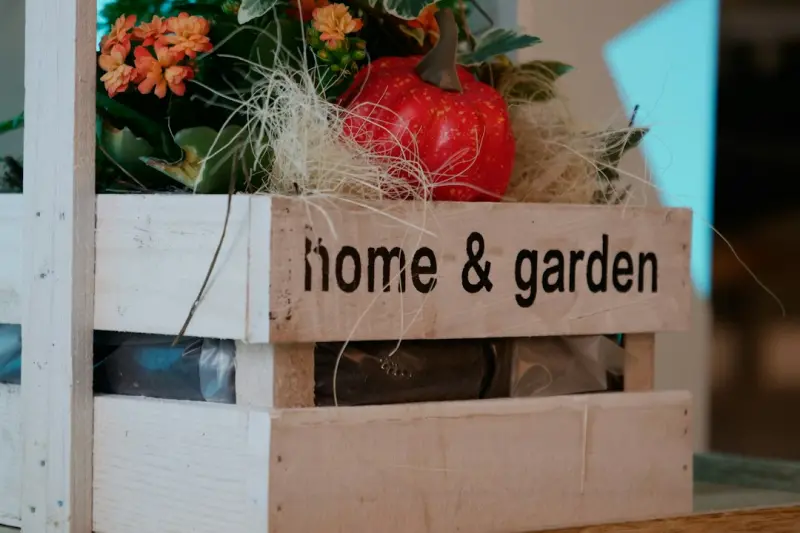
When I first moved into my suburban home, the yard felt like a blank canvas waiting for a splash of personality. I’d spent years curating sleek interiors, but the outdoor space was a neglected afterthought—a manicured lawn with the occasional generic shrub. One summer, after a weekend hike through a nearby nature reserve, I returned home with a fresh perspective: why not invite the wild back into my backyard?
Why “Rewilding” Isn’t Just a Buzzword
Rewilding, in its purest form, is about restoring ecosystems to a more natural state. In a residential garden, this translates to planting native species, creating habitats for pollinators, and allowing the land to express its innate rhythms. It’s not about abandoning all order; rather, it’s a deliberate design approach that balances aesthetics, biodiversity, and low‑maintenance living.
Unlike the edible landscaping trend, which often focuses on harvesting food, rewilding emphasizes ecological function. The goal is to foster a garden that feeds the local wildlife, enriches soil health, and even supports your own well‑being through the simple act of observation.
Getting Started: Assess Your Site
- Sunlight Mapping: Spend a week noting how sunlight moves across your yard. Sketch zones of full sun, partial shade, and deep shade. This will guide plant selection.
- Soil Testing: A simple DIY kit can reveal pH, texture, and nutrient levels. Native plants thrive when you work with the existing soil rather than trying to overhaul it completely.
- Micro‑Habitats: Look for natural features—rock outcrops, low‑lying depressions, or a sunny edge. Each offers a niche for different species.
Once you have a clear picture, you can start choosing the right native flora. Check your local extension office or a native plant society for a regional plant list. The key is diversity: mix grasses, wildflowers, shrubs, and trees to create layers that mimic a natural understory.
Choosing Native Plants That Perform
Here are some reliable, low‑maintenance natives that thrive in many temperate suburbs:
- Milkweed (Asclepias spp.) – A magnet for monarch butterflies.
- Black-eyed Susan (Rudbeckia hirta) – Bright, drought‑tolerant blooms that attract bees.
- Eastern Redbud (Cercis canadensis) – Provides early spring color and a habitat for nesting birds.
- Little Bluestem (Schizachyrium scoparium) – A native grass that offers winter interest and seed for birds.
- Virginia Sweetspire (Itea virginica) – Lovely fragrant flowers and striking fall foliage.
Pair these with groundcovers like Wild Ginger (Asarum canadense) or Bearberry (Arctostaphylos uva‑ursi) to suppress weeds and retain moisture.
Designing for Wildlife
To truly rewild, think like a wildlife architect:
- Water Sources: A shallow birdbath or a small pond with gently sloping edges invites amphibians and insects.
- Layered Planting: Tall trees for canopy birds, mid‑height shrubs for songbirds, and low herbs for pollinators.
- Nesting Sites: Install nest boxes for bluebirds or leave a dead log for beetles.
- Seasonal Food: Choose plants that bloom at different times, ensuring nectar and seeds are available year‑round.
By providing these resources, you create a self‑sustaining ecosystem that reduces the need for fertilizers and pesticides.
Low‑Maintenance Practices That Support Rewilding
One of the biggest myths about native gardens is that they require constant attention. In reality, a well‑planned rewilded yard can be largely self‑regulating. Here are some practices to keep the workload minimal:
- Mulching: Apply a thick layer of wood chips or leaf mulch. It conserves moisture, suppresses weeds, and slowly enriches the soil.
- Compost Integration: Incorporate homemade compost into planting beds. It feeds microbes that support plant health.
- Selective Pruning: Trim only to remove dead wood or to shape for safety. Over‑pruning can harm the natural structure.
- Rain Gardens: Design depressions that capture runoff, allowing water to infiltrate naturally.
Balancing Aesthetic Appeal and Ecological Function
Many homeowners fear that a rewilded garden looks “messy.” The truth is, you can achieve a curated wildness that feels both intentional and inviting. Use pathways made of reclaimed stone to guide visitors, and incorporate artistic elements—like a weathered metal sculpture or a vintage garden bench—without compromising the natural vibe.
For those who love a splash of color, consider planting a “wildflower meadow” in a sunny corner. A mix of Coreopsis, Gaillardia, and Coneflower (Echinacea) creates a vivid tapestry that changes with the seasons while supporting pollinators.
Integrating Smart Home Features for Sustainable Garden Care
Even a rewilded yard can benefit from subtle technology. Moisture sensors linked to a smart irrigation controller ensure you only water when the soil truly needs it, preserving both water and plant health. If you’re a fan of seamless indoor‑outdoor flow, explore home environment solutions that sync lighting with sunset, encouraging you to spend more twilight time outdoors.
Creating a Multi‑Seasonal Experience
One of the joys of a native garden is the ever‑changing tableau. Plan for interest in every season:
- Spring: Early bloomers like serviceberry and spring beauty.
- Summer: Heat‑tolerant coneflowers and butterfly bush.
- Fall: Trees with fiery foliage, such as maples and oaks, and seed‑rich asters.
- Winter: Evergreens, bark textures, and decorative seed heads that provide food for birds.
By layering these phases, your yard becomes a living calendar that invites you to step outside year after year.
Practical Tips for Urban and Suburban Settings
Living in a denser area doesn’t preclude a thriving rewilded space. Here are a few adaptations for tighter footprints:
- Vertical Planting: Use trellises for native vines like Virginia creeper to add height without expanding the footprint.
- Container Native Gardens: Large pots can host dwarf varieties of native shrubs, perfect for patios.
- Community Partnerships: Share cuttings or seeds with neighbors to create a neighborhood pollinator corridor.
If you’re constrained by storage, check out some smart storage ideas to keep gardening tools tidy while maintaining a clean aesthetic.
Measuring Success: What to Look For
Beyond the visual transformation, a successful rewilded garden shows measurable ecological benefits:
- Increased Wildlife Activity: More birds, bees, and beneficial insects visiting.
- Soil Health: Darker, crumbly soil rich in organic matter.
- Reduced Inputs: Less need for fertilizers, pesticides, and supplemental watering.
Keep a simple journal—note bird species, bloom times, and any changes in soil texture. Over time, you’ll see the garden’s progress and feel a deeper connection to the living system you’ve nurtured.
Conclusion: Your Backyard as a Living Legacy
Rewilding isn’t a fleeting trend; it’s a commitment to stewardship that rewards you with beauty, biodiversity, and a sense of purpose. By embracing native plants, designing for wildlife, and integrating low‑maintenance practices, you turn a conventional yard into a vibrant ecosystem that thrives on its own terms.
When you step onto your patio at dusk and hear the gentle hum of a moth or spot a hummingbird darting among the blossoms, you’ll know that your effort has paid off—not just for you, but for the larger web of life that surrounds us.

Miranda Murphy: Experienced freelance writer with a decade of storytelling expertise. Let's create something amazing together!
Related Posts

Turn Your Backyard into an All‑Season Social Oasis
Discover how to design a versatile backyard oasis that adapts to every season, blending modular furn... Read More
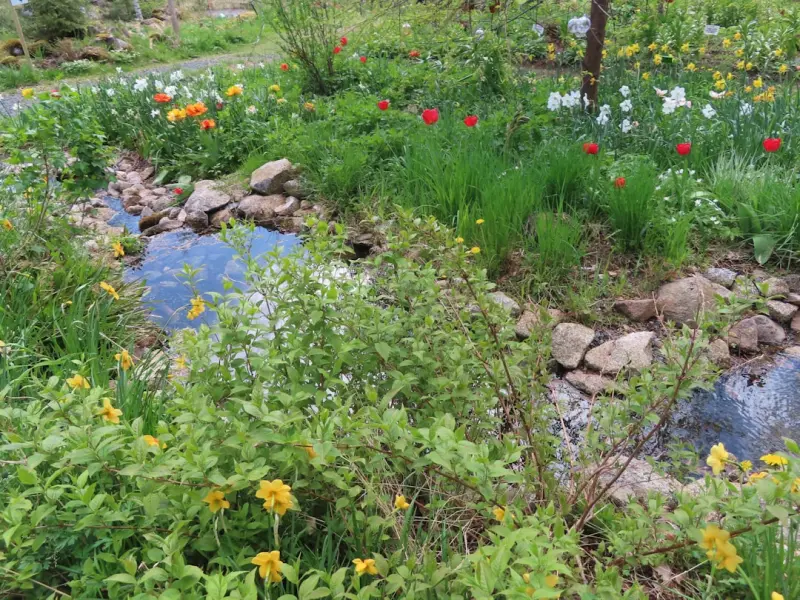
Rain Gardens: Turning Stormwater Into a Backyard Bonus
Discover the step‑by‑step process to create a rain garden that transforms runoff into a vibrant,... Read More
Turning Attics and Basements into Vibrant Living Spaces
Learn step‑by‑step how to revitalize neglected attics and basements, turning them into vibrant s... Read More
Top Posts

When AI Becomes Your Strategic Thought Partner
Discover the shift from viewing AI as a mere tool to treating it as a strategic thought partner, with practical steps for decision hygiene, creative collaborati...Read More
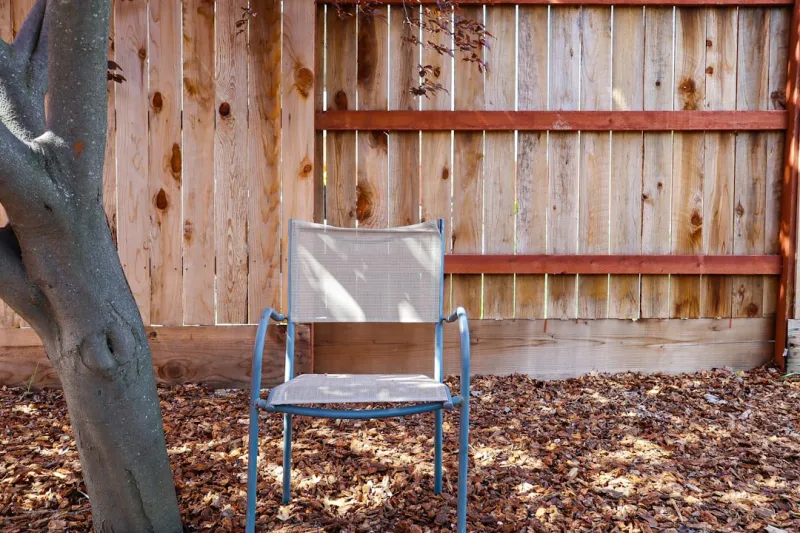
Transform Your Backyard into a Productive Oasis with a Garden Desk
Explore the rise of garden desks and learn how to create a stylish, eco‑friendly outdoor workspace that enhances focus, well‑being, and your home garden’s...Read More
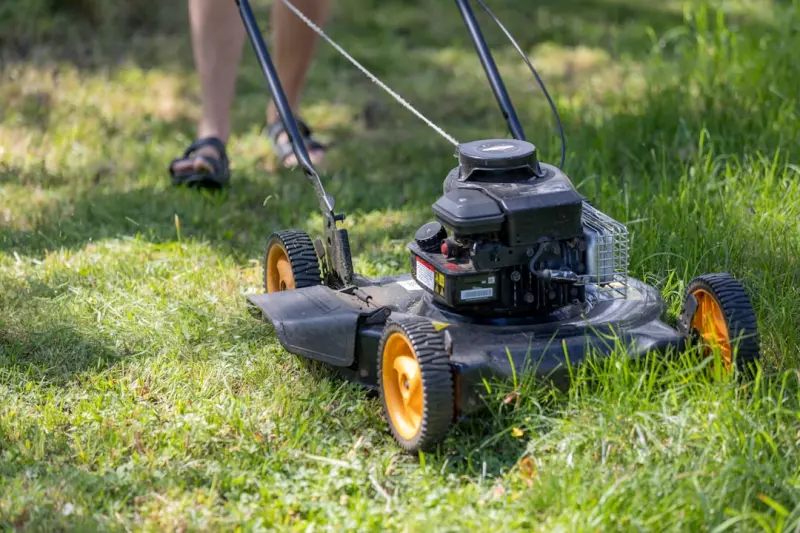
Why the No‑Mow Lawn Is the Next Big Thing for Sustainable Homeowners
A no‑mow lawn swaps high‑maintenance grass for resilient groundcovers, offering eco‑friendly, water‑saving, and aesthetically pleasing yards that requir...Read More

Why Skill Badges Are the New Resume: Navigating the Shift to Competency‑First Hiring
Skill badges are emerging as verified micro‑credentials that bridge the gap between traditional résumés and real‑world abilities, offering employers faste...Read More
0 Comments
Post Comment
You will need to Login or Register to comment on this post!