
Rethinking Personal Care: The Power of Micro‑Rituals
When I first stepped away from the glossy “12‑step” regimes that dominate the beauty aisle, I discovered that true personal care is less about the number of products you own and more about the intentional pauses you weave into everyday moments, each pause acting like a tiny reset button for body and mind; these micro‑rituals, when practiced consistently, can recalibrate stress hormones, improve skin resilience, and even sharpen mental focus, all without the need for a costly subscription box. By stripping away the noise of trend‑driven hype and honing in on simple, repeatable actions—like a five‑minute facial massage before bed or a mindful sip of warm water with lemon at sunrise—you give your nervous system a predictable rhythm that promotes parasympathetic dominance, the state where healing truly begins. The beauty of this approach lies in its scalability: you can start with a single habit, observe its impact, and then layer additional practices, creating a personalized cascade of benefits that feels both manageable and profoundly rewarding.
What makes micro‑rituals especially compelling is their capacity to bridge the gap between intention and measurable outcome, a space where many of us have felt stranded in the past; by pairing a brief sensory cue—like the scent of a favorite essential oil—with a concrete action, you trigger neural pathways that reinforce the behavior, turning a fleeting desire into an automatic response over time. This neuro‑behavioral loop is the same principle behind habit formation apps, yet it requires no screen time, no notification, just a consistent, pleasant trigger that your brain learns to anticipate and reward. In my own routine, I’ve found that a simple act—pressing cool fingertips against the orbital bone while inhaling a whiff of green tea—creates a moment of stillness that not only soothes the eyes after a screen‑filled day but also signals the skin to reduce cortisol‑induced inflammation, a subtle yet powerful testament to the ripple effect of tiny, thoughtful gestures.
The Skin Barrier Blueprint: Simple Pantry Allies
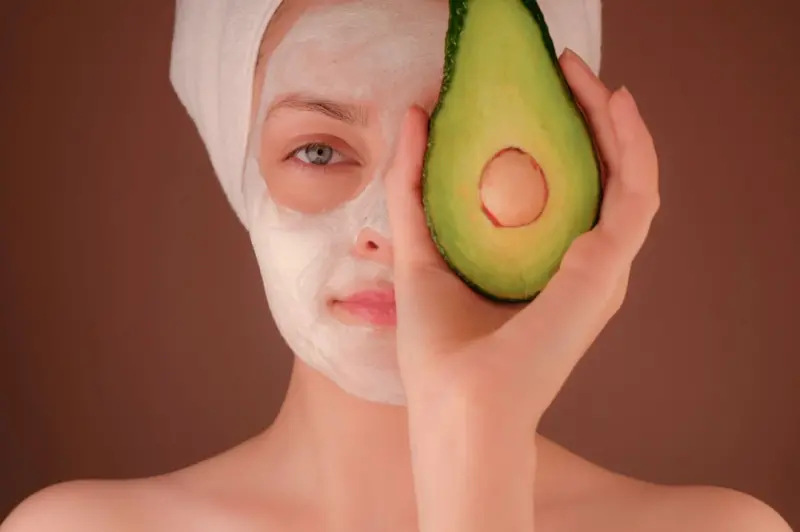
Our skin’s outermost layer, often misunderstood as merely a protective sheet, is actually a dynamic, living ecosystem that thrives on balanced pH, adequate lipids, and a diverse microbiome, and the good news is that many of the ingredients needed to nurture this ecosystem sit quietly on kitchen shelves waiting to be repurposed; think colloidal oatmeal, honey, and even plain yogurt, each offering a unique blend of humectants, antioxidants, and probiotic benefits that can reinforce the barrier without the synthetic fragrances that typically trigger irritation. When I blend finely ground oatmeal with a splash of oat milk, I’m not just creating a soothing mask—I’m delivering beta‑glucans that signal keratinocytes to proliferate, while the saponins gently cleanse without stripping natural oils, a balance that many commercial cleansers fail to achieve despite lofty marketing promises. Adding a teaspoon of raw honey introduces natural glucose oxidase, a mild antibacterial agent that curtails harmful microbes while feeding the good bacteria that keep the skin’s pH stable, an elegant symbiosis that mirrors the principles of a well‑tended garden.
Beyond the mask, I’ve experimented with yogurt’s lactic acid to gently exfoliate dead cells, a process that not only reveals a fresher complexion but also boosts collagen synthesis by stimulating fibroblasts, a subtle anti‑aging boost that feels almost magical when you watch the skin’s texture transform over weeks; the key is to keep the exposure brief—no more than five minutes—so that the acid remains mild enough to avoid over‑exfoliation, a common pitfall for those chasing instant glow. By integrating these pantry staples into a weekly routine, you cultivate a self‑sufficient skincare regimen that respects the skin’s natural chemistry, reduces reliance on plastic‑packed, chemically laden products, and ultimately aligns personal care with a sustainable, zero‑waste mindset, a philosophy that resonates deeply with anyone seeking authenticity in their daily rituals.
Movement Meets Moisture: Breath, Massage, and Cold Splash
One of the most underappreciated facets of personal care lies at the intersection of breathwork and facial massage, a synergy that leverages the body’s own circulatory engine to deliver nutrients more efficiently to the skin; by inhaling deeply through the nose while sweeping upward strokes with the fingertips, you create a gentle pressure gradient that encourages lymphatic drainage, a process that reduces puffiness, clears toxins, and promotes a luminous complexion without a single cream. The rhythmic pattern of inhalation followed by outward massage also activates the vagus nerve, the principal conduit of the parasympathetic nervous system, which in turn lowers cortisol levels, a hormonal culprit behind premature aging and breakouts, making this simple practice a potent antidote to the stress of modern life. I’ve found that dedicating just two minutes each morning to this combined breath‑massage ritual not only awakens the skin but also sets a tone of mindful intention for the day, a subtle reminder that self‑care is as much about inner calm as it is about external radiance.
Complementing breath and massage with a brief cold water splash adds another layer of physiological benefit, a technique I borrowed from athletes who use cold exposure to boost circulation and reduce inflammation; when you splash cool water across the face for ten seconds, the sudden temperature shift triggers vasoconstriction followed by rapid vasodilation, a “vascular workout” that pumps oxygen‑rich blood into the dermis, flushing out metabolic waste and delivering fresh nutrients to support cell turnover. This micro‑shock can also tighten pores temporarily, giving the skin a smoother appearance while sharpening mental alertness, a dual‑action that makes it an ideal bridge between the calm of the morning ritual and the demands of a busy schedule. For those curious about exploring this practice further, the insights from Cold Water Immersion: Unlocking Natural Resilience and Vitality provide a scientific backdrop that underscores why even a brief splash can feel like a rejuvenating reset button for both body and mind.
Data‑Driven Intimacy: Wearables and Mindful Tracking
In the age of quantified self, wearable skin sensors are emerging as discreet allies that translate physiological data into actionable personal care insights, a development that has transformed my approach from guesswork to evidence‑based refinement; these devices monitor parameters such as transepidermal water loss, skin temperature, and even subtle changes in elasticity, feeding the information to an app where trends become visible, allowing you to pinpoint exactly when your barrier is compromised and adjust your routine accordingly. The beauty of this technology lies in its subtlety—it sits on the wrist or behind the ear, silently collecting data without interrupting daily life, and when paired with a mindful journal, it creates a feedback loop that encourages intentional experimentation, turning the often‑intangible notion of “feeling healthy skin” into a concrete set of metrics you can celebrate or troubleshoot. By embracing this data‑driven intimacy, you not only demystify the effects of your micro‑rituals but also cultivate a deeper sense of agency over your own biology, a feeling that is both empowering and grounding.
Of course, technology is only as useful as the habits that surround it, which is why I integrate digital mindfulness practices to keep the data from becoming overwhelming; a quick review of the night’s skin metrics, followed by a brief meditation on the breath, helps translate numbers into narrative, ensuring that the numbers serve the story rather than dominate it. This balanced approach mirrors the principles outlined in Digital Declutter: Rewiring Your Mind for Calm in a Hyper‑Connected World, where the emphasis is on intentional tech use that supports wellbeing rather than fragments attention. By setting specific, time‑bound windows to engage with your skin data—say, a five‑minute review each evening—you safeguard against analysis paralysis, keep the focus on actionable insights, and preserve the mental space needed for the very rituals that improve the metrics you’re tracking.
Habit Architecture: Stacking, Journaling, and Sustainable Growth
Building a lasting personal care routine hinges on the art of habit stacking, a concept that involves tethering a new behavior to an already established one, thereby leveraging existing neural pathways to embed the fresh practice with minimal resistance; for example, I place my oat‑milk mask bowl on the bathroom counter next to my toothbrush, so that the act of brushing automatically cues me to apply the mask, turning two separate activities into a seamless flow that feels almost inevitable. This method reduces the cognitive load associated with starting a new habit, as the brain perceives the paired actions as a single, coherent sequence, a psychological shortcut that accelerates adoption and minimizes the drop‑off rates that plague many well‑intentioned routines. Over time, these stacked habits compound, creating a cascade of benefits that ripple outward, influencing sleep quality, stress resilience, and even productivity, demonstrating that personal care is not an isolated silo but a foundational pillar of holistic performance.
To cement these stacked rituals, I keep a concise yet detailed skin journal, a tactile record that captures not only the observable changes—like reduced redness or improved elasticity—but also contextual factors such as diet, sleep, and emotional tone, providing a rich tapestry of data that helps identify patterns and causality; this practice echoes the age‑old wisdom of reflective writing while embracing modern simplicity, as I use a small notebook that travels with me, ensuring that insights are captured in the moment rather than lost to the busyness of the day. By reviewing the journal weekly, I can adjust the timing, frequency, or ingredients of my micro‑rituals based on real‑world feedback, turning experimentation into a disciplined, evidence‑based process that respects both the science of skin health and the art of personal habit formation, ultimately leading to a sustainable, self‑reinforcing loop of care and confidence.

Ryan Stuart is a seasoned freelance features writer, editor, and professional photographer with a passion for exploring the world and capturing its beauty through words and images.
Related Posts
The Personal Care Toolkit: Tiny Rituals for Big Confidence
Learn to turn everyday grooming into a mini‑adventure with multisensory tools, sustainable swaps, ... Read More

Reimagining Personal Care: Turning Routine into a Mind‑Body Reset
Personal care becomes a powerful reset when each step is treated as a mindful micro‑ritual, paired... Read More
Micro‑Moments: Reimagining Personal Care in a Hyper‑Connected World
Learn how to turn brief, frequent micro‑moments—like a lighting cue or a 30‑second breath—in... Read More
Top Posts

Quiet at Home: Low‑Cost Strategies to Tame Everyday Noise
A practical guide to cutting down on household noise using weather‑stripping, soft surfaces, DIY acoustic panels, and smart space repurposing, all without bre...Read More

Tiny Moves, Big Impact: Reimagining Everyday Activity for Health
Steph Sanderson shares practical ways to integrate micro‑movements into daily life, explaining the science, benefits, and easy tools for a healthier, more ene...Read More

How a Minimalist Environment Boosts Mental Clarity and Resilience
A cluttered space drains mental energy. Learn practical steps to create a minimalist workspace that supports calm, focus, and resilience, backed by science and ...Read More
Simple Sensory Hacks to Elevate Your Home’s Comfort
Learn easy, budget‑friendly sensory upgrades—natural light, acoustic fixes, fresh scents, and smart controls—that boost comfort and well‑being in any ho...Read More
0 Comments
Post Comment
You will need to Login or Register to comment on this post!