
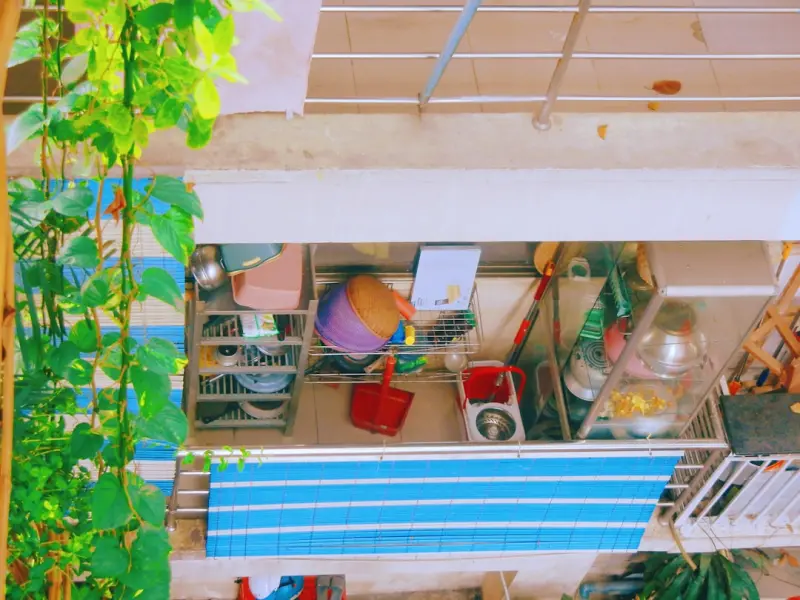
When I first moved into my downtown studio, I realized that square footage is a luxury I could no longer take for granted. Every piece of furniture, every decorative object, and even the air I breathed needed a purpose. Over the past few years I’ve turned that constraint into a playground for creativity, and today I’m sharing the most effective hidden‑storage tricks I’ve learned. These aren’t just quick fixes; they’re systematic approaches that let you reclaim space, reduce visual clutter, and still keep your home feeling warm and lived‑in.
Why Hidden Storage Beats Traditional Shelving
Traditional shelving is a double‑edged sword. It gives you a place to put things, but it also adds visual weight and can dominate a room’s aesthetic. Hidden storage, on the other hand, lets you tuck away items without sacrificing style. The benefits are threefold:
- Visual Calm: When everyday objects are stored out of sight, your eyes can focus on the elements that truly matter—color, texture, and natural light.
- Functional Flexibility: Multi‑purpose pieces adapt to changing needs, whether you’re hosting a dinner party or need a quick workout space.
- Psychological Relief: A decluttered environment reduces mental fatigue, making it easier to relax or focus on work.
In the age of remote work, this psychological relief is more valuable than ever. A tidy backdrop not only improves video‑call professionalism but also helps you simple acoustic upgrades that keep ambient noise at bay.
Core Principles for Designing Hidden Storage
Before you start drilling, consider these guiding principles. They’ll keep your projects cohesive and prevent the “DIY trap” where you end up with a collection of half‑finished ideas.
1. Start With a Declutter Audit
Identify what you truly need to keep. Anything you haven’t used in the past six months probably belongs in a donation box or a storage unit. The less you have, the less you need to hide.
2. Think Vertically
Floor space is limited, but walls are often under‑utilized. Tall, narrow units—like floor‑to‑ceiling cabinets with hidden doors—can store a surprising amount of items without encroaching on your living area.
3. Embrace Dual‑Purpose Furniture
Look for pieces that serve two functions. A coffee table with a lift‑top, an ottoman that opens to reveal a compartment, or a bench that doubles as a shoe rack can dramatically increase storage without adding extra furniture.
4. Use the “Negative Space” Around Existing Fixtures
Areas like the space behind a door, the underside of a staircase, or even the gap between the fridge and wall can be transformed with custom panels or pull‑out drawers.
DIY Projects That Deliver Big Results
Below are five projects that range from beginner‑friendly to moderate skill level. Feel free to adapt them to your own space and aesthetic.
Under‑Stair Drawers
If your home has a staircase, the void beneath it is prime real estate. Build a series of shallow drawers that slide out on low‑friction glides. Paint the front panels the same color as the stair risers for a seamless look.
- Materials: ¾‑in plywood, drawer slides, wood glue, paint.
- Tip: Add a small LED strip inside each drawer to illuminate the contents when opened.
Floating Shelf with Concealed Backs
Floating shelves are sleek, but the backs are often left exposed. Attach a thin plywood panel painted to match the wall, then install a hidden magnetic latch that keeps the panel flush. When you need to store books, press the panel open and slide the shelf out.
- Materials: ½‑in plywood, magnetic catches, picture‑hanging hardware.
- Tip: Use a recessed groove to hide cables for charging stations or smart speakers.
Magnetic Spice Rack Inside Cabinet Doors
Cabinet doors are wasted space if they’re just plain wood. Attach a thin metal sheet to the interior of the door, then add small magnetic spice jars. You’ll have a full spice arsenal right where you cook, and the jars stay out of sight when the door is closed.
- Materials: Metal sheet, magnetic spice containers, adhesive.
- Tip: Label each jar with a minimalist icon to keep the aesthetic clean.
Pull‑Out Laundry Bin
Balancing a bulky laundry basket with a cramped apartment can feel like a juggling act. Build a narrow pull‑out bin that slides into the space under your kitchen sink or a closet rod. When not in use, it tucks away, freeing up floor space for other activities.
- Materials: Plastic storage bin, metal slides, wooden side panels.
- Tip: Choose a bin with a lid that seals to keep odors contained.
Convertible Daybed with Storage Trunk
A daybed can serve as a sofa, a guest bed, and a storage unit. Construct a sturdy frame with a hinged mattress platform that lifts to reveal a spacious trunk underneath. This is perfect for storing extra blankets, seasonal décor, or even a vertical garden kit that you can roll out when the weather’s right.
- Materials: Hardwood slats, hinges, foam mattress, fabric.
- Tip: Add a lockable latch if you have children or pets who might be tempted to explore the stash.
Tech‑Lite Solutions for the Modern Home
You don’t need a smart‑home ecosystem to enjoy hidden storage, but a few low‑tech gadgets can make the experience smoother.
- Slide‑Out Panels: Use telescoping tracks (the same kind used in kitchen cabinets) to create panels that glide out like a drawer.
- Modular Crates: Stackable, interlocking crates can be tucked behind a sofa or under a bed, then reconfigured as needed.
- Soft‑Close Mechanisms: Install soft‑close hinges on hidden doors to prevent slamming and to extend the lifespan of your cabinetry.
Maintaining Your Hidden‑Storage System
Even the smartest storage solution will fail if you don’t maintain it. Follow these habits to keep the system functional and the aesthetic intact:
- Quarterly Sweep: Every three months, pull out each hidden compartment, reassess its contents, and discard anything you no longer need.
- Label Lightly: Use minimalist label stickers or etched glass to identify what’s inside without creating visual clutter.
- Gentle Cleaning: Wipe surfaces with a dry microfiber cloth; avoid harsh chemicals that can damage finishes.
Bonus: Pairing Storage with Wellness
It might sound surprising, but the way you store things can affect how you feel physically and mentally. A tidy space reduces stress, and a well‑organized environment can encourage quick personal care hacks that keep you energized throughout the day. For example, store a small aromatherapy diffuser in a concealed kitchen cabinet so you can switch it on without breaking the visual flow. Or keep a compact yoga mat rolled inside a hidden closet compartment for impromptu stretch breaks.
Putting It All Together
The goal isn’t to create a museum‑like, sterile environment; it’s to craft a home that feels spacious, welcoming, and functional, even when square footage is limited. By starting with a clear declutter audit, embracing vertical and dual‑purpose designs, and executing a few strategic DIY projects, you can transform even the coziest apartment into a well‑organized sanctuary.
Remember, hidden storage is a mindset as much as it is a set of techniques. Keep asking yourself, “Where can this be stored without being seen?” and you’ll continuously discover new pockets of potential throughout your home. As you refine your system, you’ll notice an unexpected side effect: a calmer mind, a more productive work‑from‑home routine, and a living space that genuinely supports the life you want to lead.

Robert Mathews is a professional content marketer and freelancer for many SEO agencies. In his spare time he likes to play video games, get outdoors and enjoy time with his family and friends .
Related Posts
Turn Your Hallways into Power Zones: Simple Home Hacks for Energy and Focus
Learn to upgrade your hallway with layered lighting, smart storage, sound management, and micro‑ri... Read More

Seasonal Storytelling: Transform Your Home Into a Living Narrative
Discover how to turn each room into a seasonal storybook using color, texture, lighting, and subtle ... Read More
Smart Lighting Hacks: Transform Mood, Focus, and Energy Use at Home
Learn how to use smart bulbs, zones, and simple DIY hacks to create personalized lighting scenes tha... Read More
Top Posts

Emotional Hygiene: Daily Practices to Cleanse Mental Clutter
A comprehensive guide to emotional hygiene, offering daily habits like thought resets, micro‑movements, sensory zones, and peer support to declutter the mind ...Read More

Zero‑Tech Escapes: Redefining Luxury Travel in the Age of Constant Connection
Explore the art of traveling without screens, from minimalist packing to micro‑adventures, and learn how unplugging can transform luxury travel into a profoun...Read More

Storytelling as Therapy: Writing Your Way to Mental Strength
Jill Hamilton shares how the simple act of putting thoughts on paper transforms internal monologue into a therapeutic dialogue, offering practical prompts and t...Read More
From Cubicle to Garden: How Outdoor Desks Are Redefining Employment
Explore the shift from traditional offices to garden desks, uncovering how outdoor workspaces boost morale, productivity, and redefine modern employment....Read More
0 Comments
Post Comment
You will need to Login or Register to comment on this post!