

Why Rainwater Harvesting Belongs in Every Modern Garden
When I first stood on my balcony, watching the drizzle collect in an old bucket, I realized that the simple act of catching rain could become the backbone of a resilient garden ecosystem; the idea grew from a whimsical experiment into a purposeful strategy that aligns the rhythms of weather with the thirst of soil, and it reminded me that water, the most precious resource, can be sourced locally without the carbon‑intensive journey through municipal pipes. Harvesting rainwater not only slashes utility bills but also delivers softer, mineral‑rich droplets that encourage deeper root growth, reduce fertilizer leaching, and foster a micro‑climate that welcomes pollinators, turning an ordinary yard into a thriving sanctuary where every droplet counts.
Measuring Your Garden’s Water Appetite and Roof Catchment Potential
The first step in any rain‑harvesting project is a realistic audit of both water demand and supply: calculate the average gallons needed per week by multiplying the square footage of planting beds by the recommended inches of water per crop, then match that against the theoretical yield from your roof using the simple formula (roof area × annual rainfall × 0.623), which converts inches to gallons while accounting for a typical 80 % collection efficiency; this arithmetic, though seemingly technical, provides a clear picture of whether a modest 200‑gallon drum will suffice for a herb garden or if a larger 1,000‑gallon cistern is warranted for fruiting vines and a vegetable patch.
Selecting the Ideal Storage Vessel for Your Space and Budget
Once you know the volume you need, the choice of container becomes a blend of practicality and aesthetics: food‑grade polyethylene barrels are inexpensive, UV‑stabilized, and easy to relocate, while above‑ground steel tanks offer durability and a sleek profile that can double as a garden focal point, and underground concrete cisterns, though costlier, keep water cool and out of sight, preserving temperature stability for sensitive seedlings; consider the footprint of each option, the ease of cleaning, and the local building codes that may dictate setbacks or require permits, because a well‑chosen tank not only stores water but also integrates seamlessly with pathways, raised beds, and even decorative planters.
Implementing Filtration, First‑Flush Diverters, and Safety Measures
Rainwater descending from a roof carries leaves, bird droppings, and microscopic debris, so installing a mesh screen at the gutter inlet followed by a first‑flush diverter—an inexpensive device that discards the initial runoff laden with pollutants—ensures that the water entering your tank is as clean as possible, while a simple sand‑and‑charcoal filter can be added before the water reaches your irrigation emitters; for households with children or pets, it’s prudent to secure the tank with a tamper‑proof lid and install a pressure‑sensitive overflow pipe that directs excess water safely away from foundations, turning what could be a hazard into an additional watering source for ornamental grasses.
Connecting the Harvested Supply to Garden Irrigation Systems
The magic of rainwater harvesting truly shines when you couple storage with an efficient delivery system: a gravity‑fed drip network can be as straightforward as laying hose tubing from the tank’s outlet down to a series of emitters placed at the base of each plant, eliminating the need for pumps and reducing energy consumption, while a low‑voltage timer can automate watering cycles based on soil moisture sensors, allowing you to tailor flow rates to the specific needs of tomatoes, lavender, or a shady fern; this modular approach also means you can expand the system over time, adding new zones or integrating a rain‑sensing valve that pauses irrigation during a storm, thereby maximizing resource use.
Seasonal Adjustments and Ongoing Maintenance for Longevity
Just as plants adjust to the changing seasons, your rainwater system requires periodic attention: during winter, empty and insulate tanks to prevent cracking from freezing temperatures, and in the spring, flush the gutters and clean the filters to remove accumulated debris that could clog the first‑flush diverter; summer brings the opportunity to inspect the tank’s interior for algae growth, which can be managed with a light‑proof cover or a small amount of hydrogen peroxide, and a quick visual check of the overflow line ensures that heavy rains are being safely redirected—practices that keep the system humming year after year, much like the seasonal home comfort hacks that keep indoor environments pleasant.
Financial Savings and Environmental Benefits That Add Up
When the water bill arrives, the contrast is striking: a household that replaces just 30 % of its municipal usage with harvested rainwater can shave hundreds of dollars off annual expenses, and the cumulative effect of reduced water extraction eases strain on local aquifers, lessens the energy footprint associated with treatment plants, and contributes to a healthier watershed; beyond the monetary aspect, the practice nurtures a mindset of stewardship, encouraging gardeners to observe precipitation patterns, adapt planting schedules, and share surplus water with neighbors, creating a ripple effect that amplifies sustainability across the block.
Debunking Common Myths and Troubleshooting Tips
Many newcomers hesitate, fearing that rainwater is “dirty” or that a small tank won’t make a difference; in reality, rain is naturally soft and low in dissolved solids, making it ideal for most garden plants, and even modest collection volumes can sustain a vegetable patch through dry spells when combined with mulching and soil amendment techniques; if you encounter low pressure, check for clogged filters or air pockets in the hose, and if algae blooms appear, verify that the tank remains shaded and that the inlet screen is intact—simple diagnostics that keep the system efficient without requiring professional intervention.
Getting Started and Leveraging Existing Resources
Ready to turn your roof into a water‑wise ally? Begin by mapping out your roof area, selecting a tank size that fits your garden’s layout, and sourcing a first‑flush diverter kit from a reputable supplier; as you assemble the components, you’ll find that smart organization can streamline the process—just as the smart storage strategies guide shows how to maximize limited space, a well‑planned rainwater system can nestle beneath a patio table or within a garden shed, delivering both function and form; take the leap, document your progress, and watch as each rainfall becomes an invitation to nurture growth, conserve resources, and celebrate the simple joy of harvesting nature’s own gift.

Sanji Patel has dedicated 25 years to the SEO industry. As an expert SEO consultant for news publishers, he emphasizes providing both technical and editorial SEO services to news publishers worldwide. He frequently speaks at conferences and events globally and offers annual guest lectures at local universities.
Related Posts

Pocket Gardens: Transform Tiny Spaces into Lush Retreats
Pocket gardens turn modest nooks into vibrant retreats, offering mental health benefits, fresh herbs... Read More

Designing a Backyard Outdoor Kitchen: From Concept to Culinary Haven
Discover how to plan, build, and sustain a stunning backyard outdoor kitchen that blends functionali... Read More
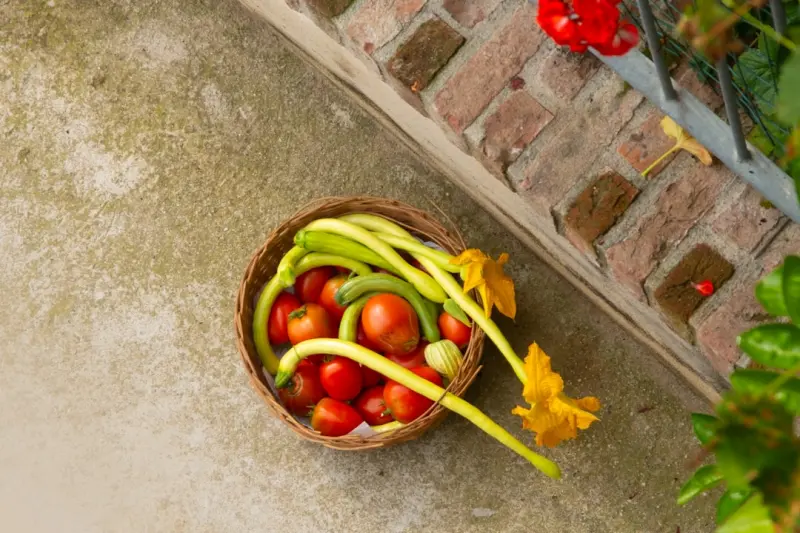
Balcony Bounty: A Year‑Round Guide to Growing Fresh Food in Small Urban Spaces
Discover a step‑by‑step plan for creating a year‑round balcony garden, from light assessment a... Read More
Top Posts

Flex‑First Employment: Turning Agility into a Sustainable Business Edge
Flex‑first employment places flexibility at the heart of work, redesigning roles, outcome metrics, and culture to create a resilient, high‑performing workfo...Read More
Garden Desk Oasis: Turning Your Backyard into a Productivity Haven
Turn your backyard into a garden desk oasis and boost productivity, wellness, and home life with design tips, tech tricks, and seasonal adaptations....Read More

The Internal Gig Economy: Redefining Careers Within the Same Company
Discover why internal gig marketplaces are reshaping employment, offering employees project‑based flexibility while keeping them within the same organization,...Read More
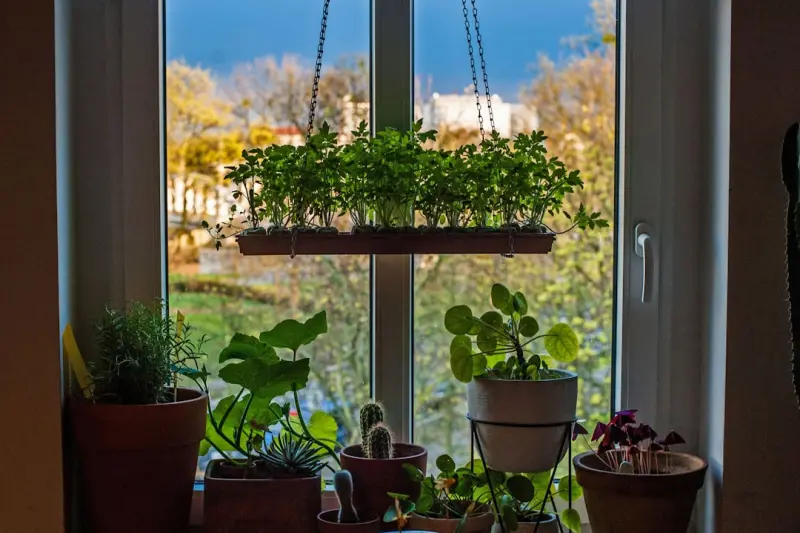
Seasonal Garden Staging: How to Transform Your Yard Four Times a Year
Discover a step‑by‑step approach to revitalize your outdoor space each season, from planting vibrant spring bulbs to creating winter interest with evergreen...Read More
0 Comments
Post Comment
You will need to Login or Register to comment on this post!