

Ever walked through a backyard that felt like a single, sprawling room and thought, “I wish I could sneak away to a secret hide‑away without leaving the yard?” I’ve been there—standing on my own patio, surrounded by the same lawn, the same old garden furniture, and the same endless horizon. That was until I started treating the outdoors the way I treat the interior of my home: as a series of purposeful rooms, each with its own mood, function, and—most importantly—privacy.
Why Outdoor Room Dividers Matter (Even If You Don’t Have a Mansion)
Dividing a yard isn’t about building walls that block the sun, the breeze, or the neighbor’s curious eyes. It’s about shaping flow. Think of it as choreography for your garden: you want guests to glide from a lively dinner setting to a tranquil reading nook without stumbling over a garden hose or an errant garden gnome.
There are three core reasons I now obsess over outdoor dividers:
- Functionality: Each section can serve a distinct purpose—dining, meditation, play, or even a pop‑up office.
- Psychology: Humans love defined spaces. A clear transition signals a mental shift, making it easier to unwind or focus.
- Style: Divider elements become design statements that amplify, rather than detract from, your garden’s aesthetic.
From Vision to Reality: Mapping Your Outdoor “Floor Plan”
The first step is to treat your yard like a floor plan. Grab a roll of graph paper—or better yet, a digital design app—and sketch the perimeter of your property. Then, answer three questions:
- What activities do I love most outdoors?
- Where does sunlight peak and dip throughout the day?
- Which parts of the yard already have natural “breaks”—like a tree line or a low fence?
My own backyard, for example, has a sunny southern side perfect for a brunch table, a shaded western corner under a mature oak that begs for a hammock, and a breezy eastern strip where the wind whistles through the grass. By aligning my desired zones with these natural cues, I could place a privacy screen that doubled as a windbreak, a set of raised planters that defined a “green corridor,” and a pergola that turned a plain patch of lawn into a “dining room” complete with ambient lighting.
Materials That Speak Your Language
Choosing the right material is where personality meets practicality. Below are my go‑to options, each with a quick pros‑and‑cons snapshot:
Living Walls (Vertical Gardens)
These are perfect if you love the idea of a “living” divider that also improves air quality. A simple frame of reclaimed wood, a sturdy waterproof liner, and a selection of shade‑loving herbs or ferns can transform a blank fence into a thriving green screen. The only caution? Keep irrigation in mind—over‑watering can damage nearby structures.
Reclaimed Wood Panels
There’s something undeniably rustic about weathered timber. I sourced my panels from an old barn demolition, sanded them down just enough to keep the patina, and treated them with a low‑VOC sealant. They’re lightweight enough to move, sturdy enough to stand against wind, and they age beautifully. Pair them with climbing vines for a soft, evolving edge.
Metal Lattice & Trellis
If you’re after a more industrial vibe, powder‑coated metal lattice works wonders. It’s durable, offers a semi‑transparent feel—letting light filter through—and provides an instant climbing structure for roses or morning glories. The only downside is the potential for heat buildup on scorching days, so consider a light‑colored finish.
Fabric Screens
For a pop‑of‑color, outdoor‑grade canvas (think Sunbrella) is a breeze to install. You can roll them up for an open feel or tie them down for a cozy nook. I love using bold geometric prints to echo the patterns on my patio cushions, creating a seamless visual story.
Powering Your Dividers Without Breaking the Bank
Dividers can double as mounting points for lighting, speakers, or even solar panels. A DIY Energy Audit I ran last summer revealed that I could add low‑voltage LED strips along the top of my wooden panels for under‑$30 a night of warm, inviting glow. The key is to keep the electrical load low—LEDs, solar-powered garden lights, and motion sensors work hand‑in‑hand with a modest solar battery pack tucked discreetly behind a planter.
Integrating Sensory Elements: The Subtle Art of Multi‑Sensory Dividers
Dividers don’t have to be purely visual. Adding scent, sound, and texture deepens the experience. I took a page from Designing a Sensory Garden and placed aromatic herbs—lavender, rosemary, and mint—along the base of my reclaimed wood panels. When a gentle breeze passes, the garden whispers a calming perfume.
Sound can be introduced through wind chimes or bamboo water features attached to the divider’s top rail. The subtle tinkle of chimes or the gentle trickle of water creates a soundscape that signals “you’re in a different zone,” helping your brain switch modes effortlessly.
DIY Divider Projects for Every Skill Level
Beginner: The Simple Rope Divider
All you need is a sturdy rope, a few hooks, and a couple of decorative beads. String the rope between two posts (or existing fence posts) at eye level, and drape a sheer outdoor curtain over it. It’s perfect for a quick visual break and can be pulled back for an open feel.
Intermediate: The Pallet Pergola
Collect a few weather‑treated pallets, stack them into a basic frame, and attach crossbeams for a pergola effect. Add climbing vines, and you’ve got a shaded lounge area that doubles as a divider between a cooking station and a children’s play zone. The project takes a weekend and yields a sturdy, reusable structure.
Advanced: The Living Wall with Integrated Seating
If you’re comfortable with carpentry and irrigation, build a low wall of reclaimed bricks, embed a planter box, and run a drip‑irrigation line. The front of the wall can host a vertical garden, while the back serves as a bench. This creates a functional piece that separates a meditation corner from a garden pathway.
Maintenance Hacks to Keep Your Dividers Looking Fresh
Every outdoor element will weather over time, but a little routine goes a long way:
- Seasonal Pruning: Trim back climbing vines before they become invasive.
- Seal Wood Annually: Use a natural oil or low‑VOC sealant to protect against rot.
- Clean Metal Lattice: A quick rinse with a garden hose and a dab of mild soap prevents rust.
- Rotate Fabric Screens: Hang them inside during harsh winters to prolong color vibrancy.
Case Study: My Backyard Transformation in Three Phases
To illustrate how these concepts come together, here’s a snapshot of my own backyard revamp, broken into three phases:
Phase 1 – Mapping & Materials
I started with a hand‑drawn sketch, identified three zones (dining, reading, kids), and chose reclaimed wood for the dining divider, metal lattice for the reading nook, and a simple rope divider for the kids’ play area.
Phase 2 – Build & Install
Over two weekends, I erected the wooden panels, attached LED strips (thanks to the energy audit), and set up the lattice with climbing roses. The rope divider was a quick afternoon project, and I added a weather‑proof Bluetooth speaker to each zone for ambient music.
Phase 3 – Fine‑Tuning & Sensory Layering
Finally, I planted lavender and thyme along the base of the wooden panels, hung wind chimes from the lattice, and draped a light, patterned fabric over the rope divider. The result? A backyard that feels like three distinct rooms, each with its own scent, sound, and lighting ambiance.
Budgeting Tips: Getting the Most Bang for Your Buck
Dividers can be as cheap or as lavish as you want. Here’s how to stretch dollars:
- Scavenge: Look for free pallets, reclaimed bricks, or discarded metal frames from construction sites.
- Upcycle: Turn old shutters into decorative panels—sand, paint, and mount.
- Community Swap: Trade garden tools or plants with neighbors for materials you need.
- DIY Lighting: Use solar-powered LED rope lights instead of wired fixtures.
Final Thoughts: Your Yard, Your Narrative
Dividing an outdoor space isn’t about restricting freedom; it’s about curating experiences. By thinking of your garden as a series of rooms, you give yourself—and any guests—a roadmap for relaxation, creativity, and connection. Whether you start with a simple rope divider or commit to a full‑scale living wall, the journey is as rewarding as the destination.
So, next time you step onto your patio, ask yourself: “Which room am I entering, and what story does it want to tell?” Then, grab a hammer, a bit of rope, or a handful of reclaimed wood and start scripting that story, one divider at a time.

Seth Samual is a name that's quickly becoming synonymous with compelling and insightful writing. As a freelance writer, Seth has carved a niche for himself by delivering high-quality content across a diverse range of subjects.
Related Posts
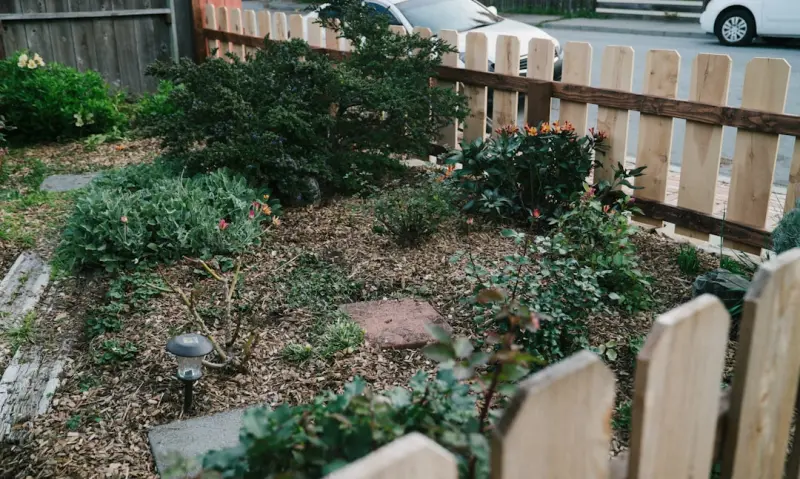
Edible Landscape Design: Turning Your Yard into a Food Forest
Learn how to transform your backyard into a productive food forest using layered planting, soil heal... Read More

From Seed to Shelf: Crafting a Year‑Round Garden Kitchen
A garden kitchen blends fresh harvests with daily cooking, offering a year‑round source of flavor,... Read More
Garden Desk Revolution: How Outdoor Workspaces Are Redefining Home Life
Explore the garden desk trend that merges work and well‑being, turning patios into productive, hea... Read More
Top Posts

When Your Stress Tracker Becomes a Game: The Rise of Biofeedback Play
Discover how wearable sensors and game mechanics combine to turn stress signals into points, challenges, and community victories, offering a fresh, engaging app...Read More
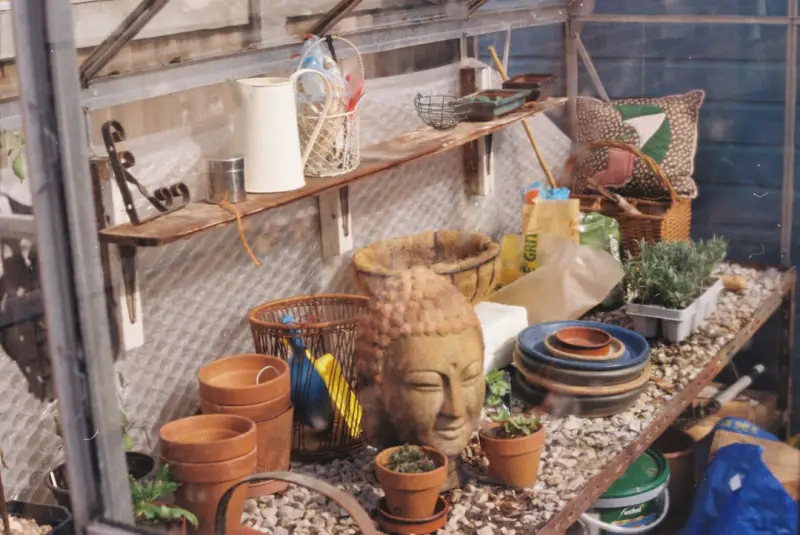
Crafting an Outdoor Creative Studio: Your Garden as a Hobby Hub
Turn your backyard into a vibrant creative studio where painting, woodworking, and quiet contemplation flourish, with smart design tricks and sustainable soluti...Read More

How Employee‑Led Learning Communities Are Shaping the Future of Work
Employee‑led learning circles turn peers into teachers, creating a dynamic growth engine that boosts engagement, skill development, and retention—learn how ...Read More

The Art of Slow‑Travel Photography: Capturing Moments with a Disposable Camera
Explore the power of slow‑travel photography with a disposable camera, turning every journey into a mindful, sustainable adventure that captures true moments....Read More
0 Comments
Post Comment
You will need to Login or Register to comment on this post!