

Finding Quiet Harmony in the Everyday Home
When I first moved into my modest downtown apartment, I quickly learned that “home” is less about square footage and more about the subtle ways we shape our surroundings to support the rhythms of our lives. I’m Mei Chen, and over the past few years I’ve turned the act of living into a series of small, intentional experiments—each aimed at carving out pockets of calm, focus, and gentle joy amid the inevitable hustle.
Why “Micro‑Sanctuaries” Matter
We all hear the buzz about large‑scale renovations and high‑tech upgrades, but the most profound changes often happen on a far smaller scale. A micro‑sanctuary is simply a deliberately curated corner of your home that serves a single purpose: to reset, recharge, or inspire. It could be a reading nook, a standing‑desk workstation, or a sensory corner for a few minutes of mindful breathing.
These zones are powerful because they create a mental cue. When you step into your micro‑sanctuary, your brain receives a quiet “switch” that signals it’s time to shift focus. Over time, this habit builds a resilient habit loop that can help you stay centered even when the rest of your environment feels chaotic.
Step‑by‑Step Blueprint for Crafting Your Own Micro‑Sanctuary
- Identify the Intent. Decide what you need most from this space—a place to read, a spot for meditation, a station for quick creative brainstorming, or a calming sensory retreat.
- Choose a Niche. Look for under‑used corners: the space under a staircase, a narrow hallway, the space beside a kitchen island, or the area beneath a window sill.
- Set the Mood with Light. Natural light is the gold standard, but when that’s limited, consider soft, warm bulbs or a simple lighting hack that uses a dimmer switch and a warm‑tone lamp. Avoid harsh fluorescents; they signal alertness instead of relaxation.
- Incorporate Texture. A plush throw, a woven basket, or a smooth wooden stool can add tactile depth. Touch is a grounding sense, so choose textures that feel inviting to your fingertips.
- Introduce a Scent Cue. A subtle aroma—like lavender, cedar, or citrus—can anchor your mind to the space. Use a small ceramic diffuser or a few drops on a cotton ball tucked into a decorative jar.
- Limit Visual Clutter. Keep only the essentials. A single bookshelf, a small plant, or a minimalist art piece works better than a wall of random objects.
- Personalize with Meaningful Objects. A handwritten note, a travel souvenir, or a small piece of art that resonates with you can make the space feel uniquely yours.
Low‑Cost Materials that Make a Big Impact
Creating a sanctuary doesn’t have to drain your wallet. Here are a few budget‑friendly ideas that feel premium without the price tag:
- Repurposed Wooden Crates. Stack two or three crates to create a low shelf for books or a small plant.
- DIY Fabric Panels. Hang a piece of linen or a lightweight tapestry to soften the acoustic qualities of a bare wall.
- Second‑Hand Finds. Thrift stores often have sturdy stools, vintage lamps, or small side tables that add character.
- Greenery on a Budget. Propagate cuttings from existing houseplants or use inexpensive seedlings from local garden centers. A single trailing pothos can soften a harsh corner.
Acoustic Calm: Quieting the Space Without Tech
Noise is one of the most overlooked stressors in modern homes. While many turn to high‑tech sound‑masking devices, there are simple acoustic solutions you can implement right now:
- Soft Rugs and Carpets. A dense rug absorbs footfall and reduces echo.
- Wall Hangings. Fabric art, woven baskets, or even a row of decorative plates can break up sound waves.
- Bookshelves Filled with Books. The irregular surfaces of books act as natural diffusers.
Even a small, well‑placed cork board can double as a pinboard for inspiration while dampening stray noise.
Adding a Touch of Green Without a Full Garden
If you love the idea of bringing nature inside but lack outdoor space, think vertical gardening. A simple wall‑mounted pocket system (often just a series of fabric pockets) lets you grow herbs, succulents, or even small leafy greens. This approach not only freshens the air but also gives you a living, breathing element that subtly changes throughout the day.
For those who want a more food‑forward approach, check out our guide on food‑forward planting ideas. Even a single herb like basil or mint can turn a corner into a fragrant, useful nook.
Seasonal Refreshes for Your Sanctuary
Just as you might rotate your wardrobe with the seasons, you can subtly shift the feel of your micro‑sanctuary. Swapping a throw for a lighter linen in summer, or adding a cozy knit blanket in winter, keeps the space feeling fresh. For a deeper dive on budget‑friendly seasonal updates, see budget-friendly seasonal updates.
Maintaining the Sanctuary: A Minimalist Routine
To keep the space serving its purpose, a quick daily ritual works wonders:
- Five‑Minute Reset. At the start or end of each day, spend five minutes in the sanctuary—stretch, read a poem, or simply sit with your breath.
- Weekly Tidy. Remove any items that have accumulated and that don’t belong. This prevents the space from becoming a “catch‑all.”
- Monthly Refresh. Rotate a decorative element (a candle, a small sculpture) to keep the visual interest alive.
Stories From My Own Corner
When I first set up my reading nook beside the kitchen window, I was skeptical about its impact. Yet after a few weeks, I noticed a subtle shift: I was less likely to scroll aimlessly on my phone before bed, and my morning coffee felt more intentional. The nook became a boundary—a place where I could transition from “work mode” to “home mode.”
Later, I added a small standing desk to a different corner, pairing it with a simple plant and a soft lamp. That spot became my “idea incubator.” Whenever a project idea struck, I’d step there, jot notes on a sticky pad, and feel the creative momentum flow without the distraction of my main workspace.
Beyond the Physical: A Mindful Approach to Space
Remember, a sanctuary is as much mental as it is material. The act of intentionally creating a space signals to yourself that you deserve moments of calm. It also reinforces the habit of seeking out intentional pauses throughout your day.
By curating these micro‑sanctuaries, you’re not just decorating; you’re crafting a personal ecosystem that supports mental clarity, emotional balance, and creative flow—all within the walls of your home.
Putting It All Together: Your First Sanctuary in 30 Minutes
- Pick a Corner. Choose the spot that feels most under‑used.
- Clear the Surface. Remove anything that doesn’t serve the sanctuary’s intent.
- Lay a Base. Add a small rug or a folded blanket to define the space.
- Introduce Light. Place a warm lamp or adjust curtains for soft natural light.
- Add One Personal Touch. A favorite book, a small plant, or a scented candle.
- Spend Five Minutes. Sit, breathe, and let the space settle into its purpose.
And there you have it—a calm, focused corner ready to support you day after day.
Looking Ahead: Evolving Your Sanctuary Over Time
As life changes—new work habits, family dynamics, or seasonal moods—let your micro‑sanctuaries evolve. Add a new element, swap a texture, or even shift the intent entirely. The beauty lies in the flexibility; you’re never locked into a single design, but always anchored in the practice of intentional space.
Whether you’re a remote professional, a creative soul, or simply someone craving a moment of peace, micro‑sanctuaries are a low‑cost, high‑impact way to transform everyday living into a series of mindful experiences.

Mei Chen is a dynamic professional who brings a unique blend of skills to Blogging Fusion. As a key contributor to the Blogging Fusion platform, she leverages her writing expertise to create engaging content that resonates with our audience.
Related Posts
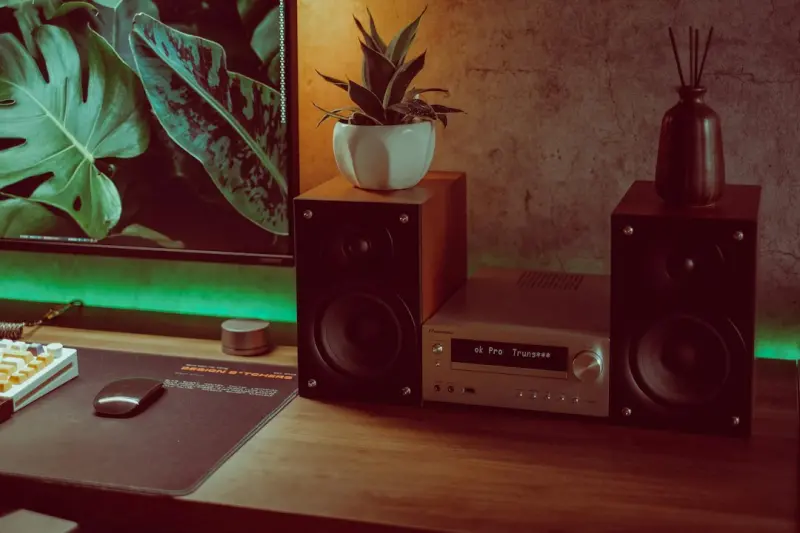
Create a Quiet Oasis at Home: Sound‑Smart Tips
Learn how to transform every room—living area, kitchen, bedroom, and bathroom—into a peaceful sa... Read More

Create a Sound Sanctuary: Home Acoustic Tips
Discover how to turn every room into a sound sanctuary with easy-to-implement acoustic tips—materi... Read More

Transforming Your Home with Functional Minimalism
Learn how to apply functional minimalism in your home with simple decluttering tools, smart lighting... Read More
Top Posts

How Employee Advocacy Programs Transform Careers and Companies
Employee advocacy programs turn staff into brand ambassadors, driving recruitment, reputation, and personal career growth through authentic storytelling and str...Read More
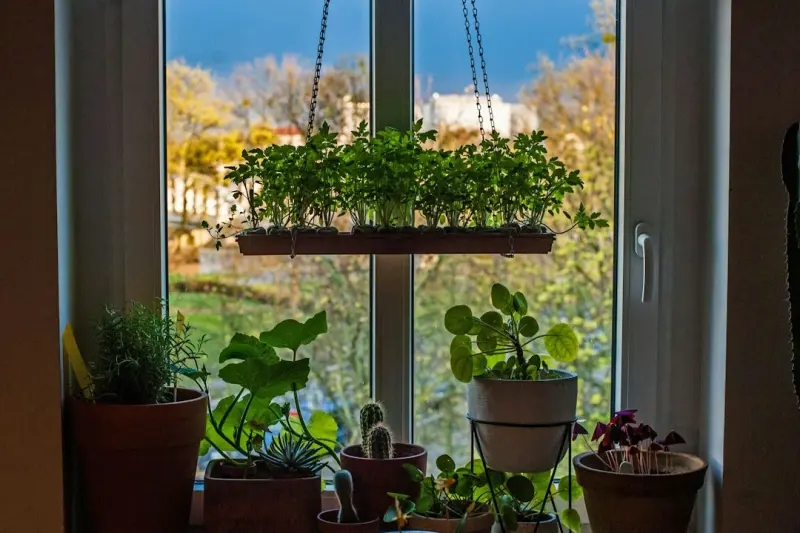
Regenerative Home Gardening: Turning Your Yard into a Soil‑Health Hub
Discover a fresh approach to home gardening that focuses on soil health, multi‑functional design, and community impact, turning any outdoor space into a resil...Read More

Re‑Engineering Your Mental Safety Net for Remote Knowledge Workers
A practical framework for knowledge workers to create cognitive buffers, micro‑recovery rituals, and social anchor points, turning remote work stress into sus...Read More

Scented Garden Paths: A Fragrant Blueprint for Small Outdoor Spaces
A scented garden path turns a modest outdoor area into a multisensory sanctuary, blending aromatic herbs, seasonal planting, and simple design tricks to boost w...Read More
0 Comments
Post Comment
You will need to Login or Register to comment on this post!