
Why Gardens Need a Story
Every garden is a silent manuscript, waiting for a narrator to give it voice, and the first step in that narration is recognizing the unique story you want to tell through soil, foliage, and form. When you approach planting as a series of chapters—childhood memories, favorite travels, or even the rhythm of the seasons—you create a space that resonates emotionally, turning a simple backyard into a living memoir that invites visitors to linger and reflect. By defining that narrative early, you lay the foundation for purposeful design choices that feel both authentic and intentional.
Mapping the Narrative Landscape
Just as a writer drafts an outline, a garden storyteller sketches a layout that highlights the plot’s pivotal moments, using pathways as sentences and focal points as climactic scenes. Begin with a rough map that places “protagonist” plants—those that hold personal meaning—along a central axis, then weave supporting “characters” like complementary perennials and textured grasses to enrich the scene. This mapping stage also allows you to anticipate seasonal shifts, ensuring each act of your garden’s story unfolds gracefully throughout the year.
Choosing a Color Palette That Speaks
Color is the language of emotion in any narrative, and a well‑thought‑out palette can convey nostalgia, excitement, or tranquility without a single word. To avoid overwhelming the senses, limit yourself to three primary hues and sprinkle in neutrals for balance, much like an author selects a limited set of motifs to avoid clutter. For inspiration on how to transition those shades smoothly from spring blush to autumn amber, explore the insights of Seasonal Color Planning, which offers a roadmap for cohesive, year‑round visual storytelling.
Integrating Personal Artifacts
Objects that carry personal history—old garden tools, vintage pottery, or a rescued piece of driftwood—can become powerful symbols within your garden’s plot, much like props in a theatrical production. Position these artifacts where they become focal points, allowing visitors to discover the hidden meanings behind each placement, and consider repurposing them as planters or garden markers to keep the narrative alive. This practice not only adds depth but also reinforces sustainability by giving new life to items that might otherwise be discarded.
Layering Texture for Narrative Depth
Just as a good novel uses varied sentence structures, a garden gains richness by mixing textures—soft feathered foliage, rugged bark, and smooth stones—to create a tactile rhythm that guides the eye. Plant choices such as lamb’s ear for velvety contrast, ornamental grasses for whispering movement, and river rocks for grounded solidity can each represent a different “voice” in your garden’s dialogue. When these elements are layered thoughtfully, they produce a multi‑sensory experience that encourages repeat visits and deeper engagement.
Story‑Driven Plant Selection
Selecting plants that echo personal milestones—like a rosemary bush from a family recipe or a lavender hedge reminiscent of a grandmother’s garden—infuses the space with meaning that goes beyond aesthetics. Research the cultural or historical significance of each species to add an educational layer to your tale, turning casual strolls into mini‑history lessons. Pairing these meaningful specimens with hardy, low‑maintenance companions also ensures the story continues to flourish without demanding constant attention.
Creating Seasonal Chapters
Just as chapters in a book transition smoothly, your garden should offer distinct seasonal experiences that keep the narrative fresh and inviting. Designate specific zones to bloom in spring, burst with color in summer, and transform with foliage in autumn, allowing each season to act as a new “chapter” that reveals a different facet of the overall story. Incorporating ever‑green structures such as ornamental evergreens or decorative barks provides continuity, bridging the gaps between seasonal shifts.
Sustainable Plot Twists
Every compelling story includes unexpected twists, and in gardening, sustainable practices provide those surprise elements that delight both the gardener and the environment. Implementing composting basics transforms kitchen waste into nutrient‑rich soil, feeding your plants while reducing landfill contributions. Additionally, installing rain barrels or creating a small bio‑filter pond can serve as eco‑friendly plot devices that enhance biodiversity and showcase your commitment to stewardship.
Sharing the Story with the Community
A garden’s narrative reaches its fullest expression when shared, inviting neighbors, friends, and curious strangers to become part of the tale. Host informal garden tours, seasonal tea gatherings, or “story‑telling nights” where guests can contribute their own memories linked to specific plants or design elements, turning the space into a collaborative memoir. By opening the garden’s pages to others, you cultivate a sense of belonging and create a living legacy that will be cherished for generations to come.

When it comes to the world of blogging and writing, Rose DesRochers is a name that stands out. Her passion for creating quality content and connecting with her audience has made her a trusted voice in the industry. Aside from her skills as a writer and blogger, Rose is also known for her compassionate nature.
Related Posts
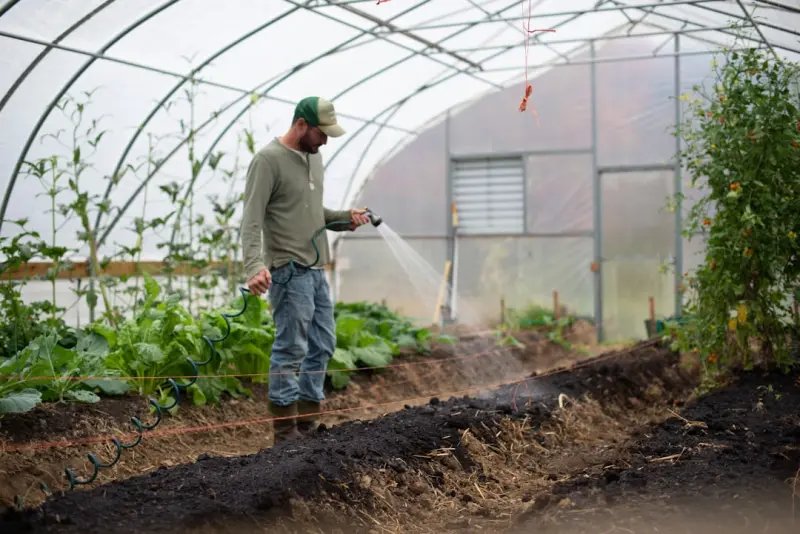
Cultivating Climate‑Smart Gardens: Small‑Space Strategies for a Resilient Home
Discover how to turn any balcony, yard, or rooftop into a climate‑smart garden using native plants... Read More
Edible Front Yards: Harvesting Curb Appeal and Kitchen Freshness
Learn practical design tips, plant selections, and maintenance strategies for creating an edible fro... Read More
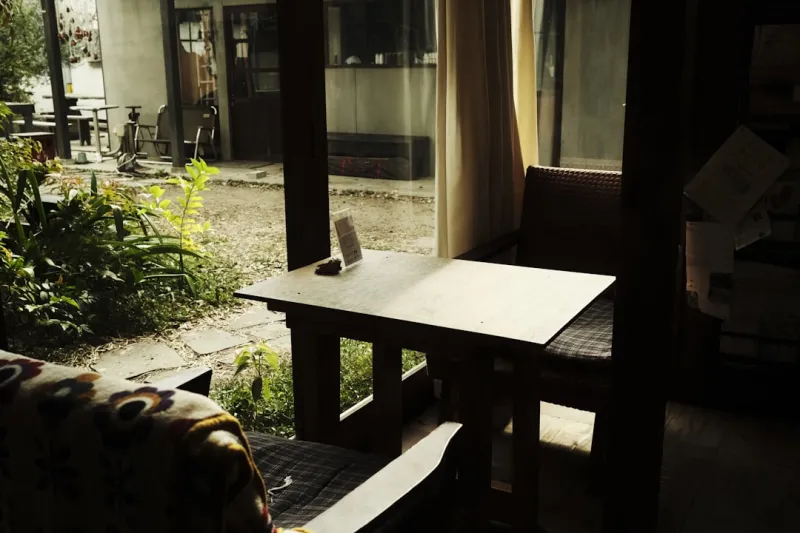
Cultivating Productivity: How My Garden Desk Transformed Home Life
A personal journey reveals how blending work with nature creates a harmonious, productive home envir... Read More
Top Posts

Scent‑Smart Self‑Care: How AI‑Curated Aromas Are Redefining Personal Routines
Explore the emerging world of AI‑curated aromatics that adapt to your physiological cues, turning ordinary grooming rituals into mood‑enhancing, data‑back...Read More

When AI Becomes Your Strategic Ally: Rethinking Decision‑Making in the Enterprise
AI is moving beyond automation to become a collaborative partner in business. This post explores how executives can harness prompt engineering, ethical guardrai...Read More

Smart Lighting Hacks: Transform Mood, Focus, and Energy Use at Home
Learn how to use smart bulbs, zones, and simple DIY hacks to create personalized lighting scenes that enhance your wellbeing, sharpen focus, and reduce energy b...Read More

Soundproof Sanctuaries: Simple Hacks to Quiet Your Home
Learn how to dramatically reduce unwanted noise with affordable DIY fixes—seal gaps, add mass, use soft furnishings, and integrate smart tech—to turn any ro...Read More
0 Comments
Post Comment
You will need to Login or Register to comment on this post!