

Why AI Isn’t Just a Tool Anymore—It’s a Strategic Ally
When I first stumbled into the world of machine learning, I thought of it as a fancy calculator—something that could crunch numbers faster than any human. Over the years, that perception has morphed dramatically. Today, AI feels less like a calculator and more like a seasoned colleague who never sleeps, constantly scans the horizon, and offers a fresh perspective on problems you thought you’d already solved.
The Shift from Automation to Collaboration
Automation promised to replace repetitive tasks, and it delivered. But the next frontier is collaboration. Imagine a boardroom where an AI sits alongside the CFO, the CMO, and the product lead, not to dictate outcomes, but to surface insights you might have missed. This isn’t about handing over control; it’s about extending your cognitive bandwidth.
In practice, that means:
- Real‑time scenario modeling: AI can spin up dozens of “what‑if” simulations in seconds, allowing leadership to explore the ripple effects of a pricing change, a new market entry, or a supply‑chain disruption without committing resources.
- Contextual knowledge retrieval: Instead of sifting through endless PDFs, you ask the AI, “What did our last three product launches teach us about user adoption?” and it pulls relevant excerpts, metrics, and even sentiment analysis from internal wikis.
- Creative brainstorming assistance: When you need a fresh tagline or a novel feature concept, the AI can generate dozens of alternatives, each grounded in brand tone and market data.
Prompt Engineering: The New Literacy for Executives
One of the biggest misconceptions I encounter is that you need to be a data scientist to benefit from AI. The truth is that the skill of prompt engineering—crafting precise, context‑rich queries—is quickly becoming a core executive competency. It’s the difference between asking “What’s the trend?” and asking “Based on the last six quarters, how have our churn rates correlated with pricing changes in the mid‑market segment?”
Good prompts are like good questions in a strategy session: they are specific, grounded in data, and aimed at uncovering actionable insight. The best leaders I work with treat prompts as a form of dialogue, iterating until the AI surfaces the most relevant answer.
From Insight to Action: Closing the Loop
Insight without execution is just information. The real power of AI lies in its ability to integrate with workflow tools, turning recommendations into tasks automatically. For example, an AI can detect that a sudden dip in engagement aligns with a recent UI change, and then create a ticket in your project management system for the design team, complete with suggested A/B test variations.
Integrations of this sort shrink the lag between discovery and response, which is crucial in fast‑moving markets. When AI is woven into the fabric of daily operations, it becomes a proactive catalyst rather than a passive observer.
Human‑Centric Guardrails: Ethical AI in Practice
With great power comes a responsibility to ensure AI behaves ethically. The most successful enterprises I’ve consulted for embed guardrails directly into their AI pipelines:
- Diversity of data sources: Avoid echo chambers by feeding the model a balanced mix of internal and external datasets.
- Transparent reasoning: Require the AI to provide confidence scores and source references for its conclusions.
- Human‑in‑the‑loop checkpoints: Critical decisions—like pricing strategy or talent acquisition—still receive a final human review, ensuring bias is caught early.
This approach doesn’t stifle AI’s potential; it amplifies trust, which is essential for adoption across the organization.
AI‑Enhanced Learning: Turning Knowledge Bases into Living Libraries
Many companies still treat their knowledge repositories as static archives. By layering AI on top, those archives become living libraries that adapt to each user’s context. When a new hire asks, “What’s our approach to customer onboarding?” the AI can pull the latest SOPs, recent success stories, and even the most recent feedback from the support team, delivering a concise, up‑to‑date briefing.
This transformation is especially powerful for Skill Badges & Portfolio Careers: The Future of Employment. As employees accumulate AI‑curated micro‑credentials, the organization gains a dynamic map of talent, enabling faster project staffing and personalized development pathways.
AI as a Partner in Innovation
Innovation labs often treat AI as a novelty, a demo tool for impressing stakeholders. My experience shows that the most groundbreaking ideas emerge when AI is invited to co‑create from the outset. Here’s a framework I’ve refined:
- Define the problem space: Clearly articulate the challenge without prescribing a solution.
- Invite AI to ideate: Use prompt engineering to ask the AI for divergent concepts, drawing from patents, research papers, and market trends.
- Human curation: Filter the AI’s output for feasibility, alignment with brand values, and resource constraints.
- Rapid prototyping: Let the AI generate mock‑ups, user flows, or even code snippets to accelerate the MVP stage.
- Feedback loop: Feed user testing results back into the AI to refine the next iteration.
This iterative dance turns AI from a passive tool into an active partner, dramatically shortening the innovation cycle.
Case Study: AI‑Driven Market Entry Strategy
A mid‑size SaaS firm wanted to expand into a new geographic market but lacked deep local insights. They deployed an AI platform that ingested regional news, competitor filings, social media sentiment, and macro‑economic indicators. By prompting the AI with, “What are the top three barriers to entry for cloud‑based HR solutions in this region, and how have successful entrants mitigated them?” they received a concise, data‑rich briefing.
Armed with those insights, the team adjusted their pricing model, localized their onboarding content, and prioritized a partnership with a regional reseller. Within months, they secured a foothold that would have otherwise taken a year of trial‑and‑error.
Bridging the Gap: From Tech Teams to Business Leaders
One persistent challenge is the communication gap between data scientists and business leaders. AI can serve as a translator. When a data scientist says, “Our churn prediction model has an AUC of 0.86,” the AI can reframe it: “Based on the current model, we can identify at‑risk customers with 86% accuracy, allowing us to intervene early and potentially reduce churn by up to 15%.”
This translation layer democratizes data, empowering leaders to make informed decisions without needing a Ph.D. in statistics.
AI‑Powered Personalization at Scale
Personalization is no longer a luxury; it’s an expectation. AI excels at delivering hyper‑relevant experiences across millions of touchpoints. By analyzing behavior patterns, purchase history, and engagement signals, AI can tailor product recommendations, email content, and even pricing structures in real time.
But personalization must be balanced with privacy. Transparent data practices and giving customers control over their preferences are non‑negotiable. When done right, AI‑driven personalization drives loyalty without compromising trust.
Looking Ahead: The Evolution of AI Partnerships
As AI models become more sophisticated, the nature of the partnership will evolve. Future AI allies will not only surface insights but also anticipate needs before you articulate them, akin to a seasoned mentor who knows your strengths and blind spots.
Preparing for that future starts today: invest in prompt literacy, embed ethical guardrails, and integrate AI tightly with your workflows. The payoff isn’t just efficiency—it’s a strategic edge that redefines how your organization thinks, creates, and grows.
Take the First Step
Feeling inspired? Begin by identifying a single decision‑making process that suffers from information overload. Draft a clear, data‑rich prompt and test it with your AI platform. Observe the output, refine the prompt, and watch as a once‑cumbersome process becomes a swift, data‑backed conversation.
When you treat AI as a strategic ally rather than a mere tool, you unlock a new layer of intelligence that can propel your enterprise beyond incremental improvement to transformative growth.

Miranda Murphy: Experienced freelance writer with a decade of storytelling expertise. Let's create something amazing together!
Related Posts
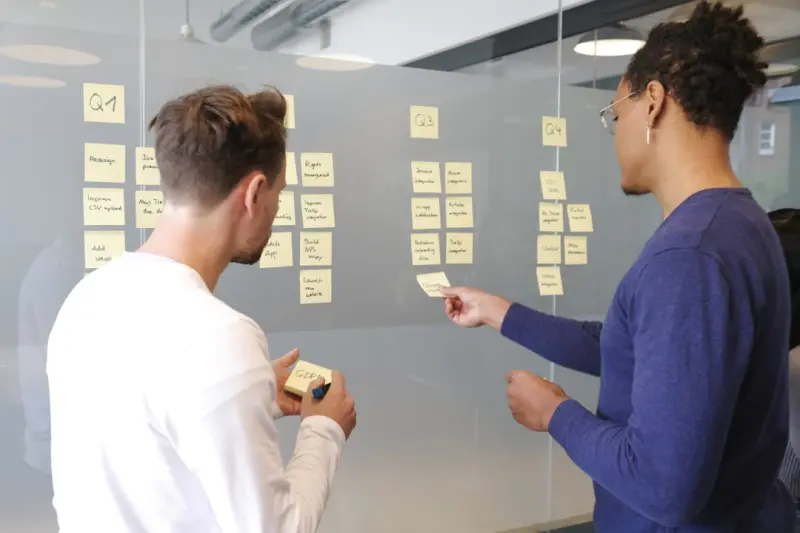
AI as a Creative Partner: Rethinking Collaboration
Discover a fresh perspective on AI collaboration, shifting from tool use to true co‑creation, with... Read More

AI‑Curated Knowledge Hubs: Turning Organizational Data Into Instant Insight
AI‑curated knowledge hubs act as living libraries, continuously ingesting and synthesizing company... Read More
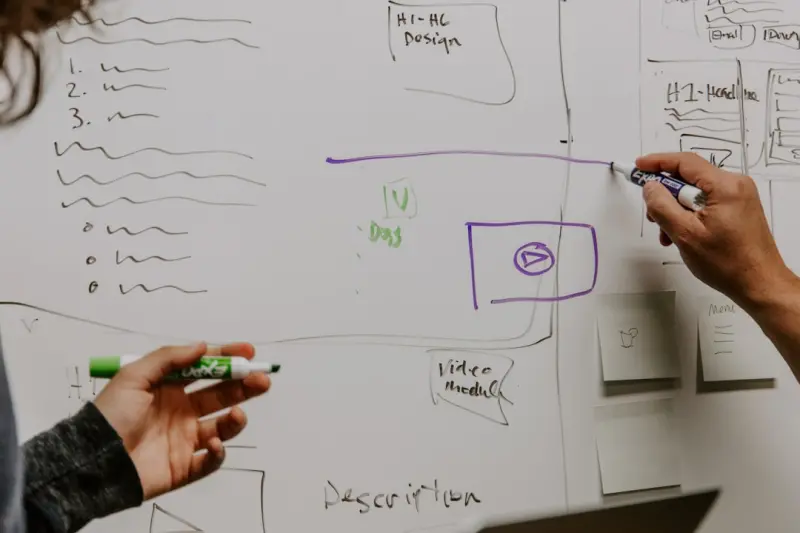
When AI Joins the Whiteboard: Supercharging Brainstorms for Product Teams
Learn practical techniques to integrate AI into your brainstorming workflow, from prompt engineering... Read More
Top Posts

From Lawn to Larder: Growing a Food‑First Landscape
A practical guide to turning a typical lawn into an edible garden, covering planning, plant selection, soil health, water conservation, and community sharing fo...Read More

From Garden Desks to Green Employment: Jimmy Damon’s Vision for the Future of Work
Jimmy Damon shares his personal journey turning a garden desk into a productivity powerhouse, showing how green workspaces are reshaping modern employment and b...Read More

How Personal Analytics Can Accelerate Your Career Growth
Learn to turn everyday performance data into a powerful career accelerator, from building dashboards to negotiating raises with hard evidence....Read More

Cultivating Creativity: How a Garden Desk Can Transform Your Home Workspace
Turn your backyard into a productive oasis with a garden desk—learn design tips, ergonomic hacks, and future trends that elevate work and wellness....Read More
0 Comments
Post Comment
You will need to Login or Register to comment on this post!