
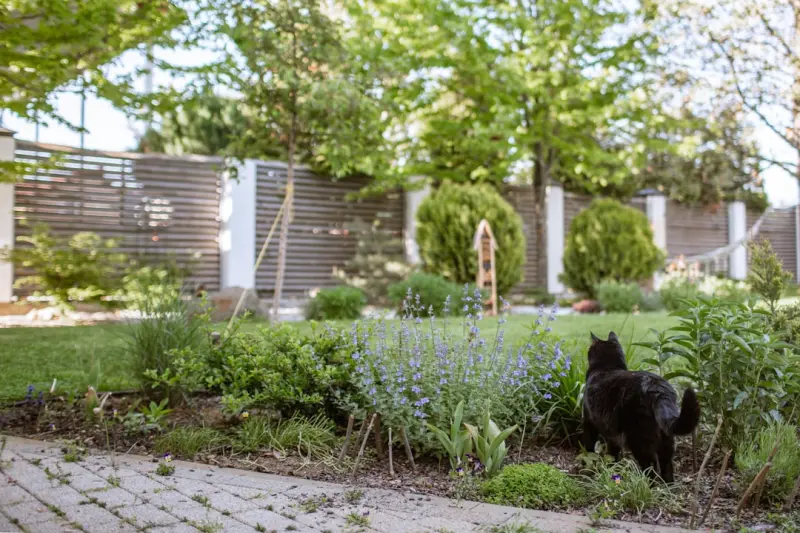
Why a Food Forest Is the Next Big Thing in Home Gardening
When I first stepped onto my own suburban lawn, the endless sea of grass felt like a blank canvas—beautiful, but ultimately underutilized. I’ve spent years tinkering with indoor plants, swapping out sterile office lighting for intelligent lighting, and even turning a hallway into a wellness corridor. Yet nothing sparked as much excitement as the idea of converting that ordinary yard into a living pantry. That’s the genesis of the home food forest—a layered, self‑sustaining ecosystem that feeds you, supports pollinators, and looks stunning year‑round.
What Exactly Is a Food Forest?
Think of a forest, but instead of towering oaks that produce only acorns, you’re planting a mix of fruit trees, nut shrubs, herbaceous perennials, and ground‑cover edibles. The design follows the seven layers principle:
- Canopy – Tall fruit or nut trees (e.g., apple, walnut).
- Sub‑canopy – Smaller fruit trees or dwarf varieties (e.g., peach, dwarf plum).
- Shrub layer – Berry bushes (e.g., raspberry, blueberry).
- Herbaceous layer – Culinary herbs and vegetables that die back each season (e.g., thyme, kale).
- Ground cover – Low‑lying edibles that suppress weeds (e.g., strawberries, creeping thyme).
- Rhizosphere – Root crops that enrich the soil (e.g., carrots, onions).
- Vertical layer – Vines that climb trees or trellises (e.g., grapes, kiwi).
This stacked approach maximizes productivity per square foot while mimicking natural ecological relationships. The result? A garden that looks like a park but feeds a family.
Getting Started: Site Assessment and Soil Prep
Before you start buying seedlings, take a hard look at your yard’s micro‑climate:
- Sun exposure – Map out the sunniest spots (at least 6‑8 hours) for fruit trees. North‑facing edges can host shade‑tolerant herbs.
- Wind patterns – Tall trees act as windbreaks. Plant them on the leeward side of your home to protect delicate shrubs.
- Soil health – Conduct a simple pH test (ideal 6.0–7.0). Amend heavy clay with compost and coarse sand; enrich sandy soils with organic matter.
- Water access – Plan drip irrigation zones. A well‑designed system reduces waste and keeps the forest hydrated during dry spells.
Investing time in this reconnaissance pays dividends in reduced maintenance later. If you’re unsure about soil composition, a quick micro‑escape of a local community garden can give you hands‑on insight.
Selecting the Right Species for Your Climate
Every region has its own native champions. Choose varieties that thrive locally to minimize pest pressure and water needs. Here are some reliable picks for temperate zones:
- Canopy: Apple (Malus domestica), Pear (Pyrus communis), Chestnut (Castanea sativa).
- Sub‑canopy: Dwarf peach (Prunus persica), Plum (Prunus domestica), Hazelnut (Corylus avellana).
- Shrub layer: Blackcurrant (Ribes nigrum), Elderberry (Sambucus nigra), Gooseberry (Ribes uva‑crispa).
- Herbaceous: Chives, mint, oregano, kale, and perennial onions.
- Ground cover: Strawberries, creeping thyme, clover, and low‑grow lettuce.
- Rhizosphere: Garlic, carrots, radishes, and sweet potatoes.
- Vertical: Hardy kiwi, grapevines, and passionfruit (where frost isn’t a concern).
Mixing native and slightly exotic species creates visual intrigue and a staggered harvest calendar—so you’re never without fresh produce.
Designing for Aesthetics and Function
Remember, a food forest is a living design. I love to think of each layer as a brushstroke on a canvas. Start by sketching a rough plan on graph paper, then translate it into a digital tool or a simple hand‑drawn layout. Key design tips:
- Curved pathways – They slow foot traffic, encouraging mindfulness, and they also create micro‑habitats for soil fauna.
- Tiered planting beds – Use raised beds for the herbaceous layer, then let shrubs spill over the edges.
- Seasonal color palettes – Pair early‑blooming fruit trees with late‑season berry bushes for continuous visual interest.
- Integrate seating – A small bench or a reclaimed pallet table invites you to linger, turning gardening into a therapeutic ritual.
For those who crave a more curated vibe, check out backyard sanctuary design for inspiration on blending function with serenity.
Water Management: The Unsung Hero
Water is the lifeblood of any garden, but a food forest can be remarkably drought‑resilient if you get the infrastructure right.
- Swales and berms – Contour the land with shallow depressions that capture rainwater and direct it toward root zones.
- Mulching – A 3‑inch layer of wood chips or straw reduces evaporation and feeds the soil as it breaks down.
- Rain barrels – Collect runoff from roof eaves; connect them to drip lines for an off‑grid watering solution.
- Smart sensors – Modern soil moisture probes send alerts to your phone, ensuring you never over‑water.
By mimicking a forest’s natural water cycle, you’ll see the canopy trees thriving while the understory stays moist and productive.
Maintaining Biodiversity: Invite the Helpers
A thriving food forest is a bustling community of insects, birds, and microbes. Encourage these allies with a few simple practices:
- Pollinator plants – Plant lavender, echinacea, and sunflowers near fruit trees to attract bees and butterflies.
- Birdhouses and bat boxes – They provide natural pest control, feeding on insects that could otherwise damage fruit.
- Compost corners – A modest compost bin supplies the forest with a steady stream of organic nutrients.
These tiny ecosystems turn your yard into a resilient food production hub while supporting wider ecological health.
Harvesting Strategies: From First Fruit to Year‑Round Bounty
Patience is part of the charm. While some fast‑growing berries may produce within two years, larger trees can take 3‑5 years to reach full yield. Here’s how to stretch the harvest calendar:
- Staggered planting – Plant a mix of early, mid, and late‑season varieties each year.
- Pruning cycles – Light, annual pruning encourages fruiting and improves airflow.
- Intercropping – Grow quick‑turnover veggies (lettuce, radish) in the herbaceous layer while waiting for trees to mature.
When the first apples appear, you’ll experience a profound sense of accomplishment—one that fuels the desire to keep expanding your edible oasis.
Integrating Technology Without Losing the Soul
Even in a rustic food forest, a little tech can be a game‑changer. I’ve installed a simple Bluetooth soil sensor that logs moisture levels to a spreadsheet. Pair that data with a weather API, and you get predictive irrigation schedules. The key is to let the technology serve the garden, not dominate it. Use alerts as gentle reminders, not as an excuse to micromanage every leaf.
Economic Benefits: Cutting Grocery Bills While Adding Property Value
Let’s talk dollars and cents. A mature food forest can produce 10‑20 % of a family’s annual produce needs, translating to significant grocery savings. Moreover, homes with mature, well‑designed landscapes often command a premium on the market—buyers are increasingly valuing sustainability and self‑sufficiency.
Even during the early years, you’ll notice reduced water bills (thanks to efficient irrigation) and lower fertilizer costs (thanks to compost and nitrogen‑fixing plants).
Common Pitfalls and How to Avoid Them
Every gardener faces setbacks. Here are the most frequent mistakes and quick fixes:
- Planting too many species at once – Overcrowding leads to competition. Start with a core set of 5‑7 species, then add gradually.
- Ignoring soil health – Skipping the compost amendment stage results in nutrient‑poor yields. Re‑test soil annually.
- Over‑watering – Even drought‑tolerant trees can suffer root rot. Trust your moisture sensor and mulch.
- Neglecting pest management – Early detection is crucial. A quick visual scan each week can catch aphids or spider mites before they spread.
From Vision to Reality: My First Year in the Food Forest
When I broke ground last spring, I began with three dwarf apple trees, a row of raspberry bushes, and a strawberry ground‑cover. I paired them with a drip‑line fed by a rain barrel, and surrounded the beds with native wildflowers for pollinators. Six months later, the first strawberries appeared, and by month nine, the raspberries were bursting with flavor. The process taught me that expectation management is as important as planting strategy—each layer matures at its own pace.
Now, every weekend I walk the winding paths, tasting fresh herbs and plucking a ripe berry. It’s a micro‑escape that grounds me, reminding me that a garden is more than food—it’s a living sanctuary.
Ready to Plant Your Own Food Forest?
If you’re inspired, start small. Pick a sunny corner, plant a single fruit tree, and let the rest of the ecosystem grow around it. Document your progress, share photos with neighbors, and soon you’ll have a community of backyard growers exchanging tips and harvests.
Remember, a food forest isn’t a one‑time project—it’s a lifelong partnership with nature. Treat it with patience, curiosity, and a dash of creativity, and you’ll reap both tangible (fresh produce) and intangible (peace of mind) rewards for years to come.

Ryan Stuart is a seasoned freelance features writer, editor, and professional photographer with a passion for exploring the world and capturing its beauty through words and images.
Related Posts
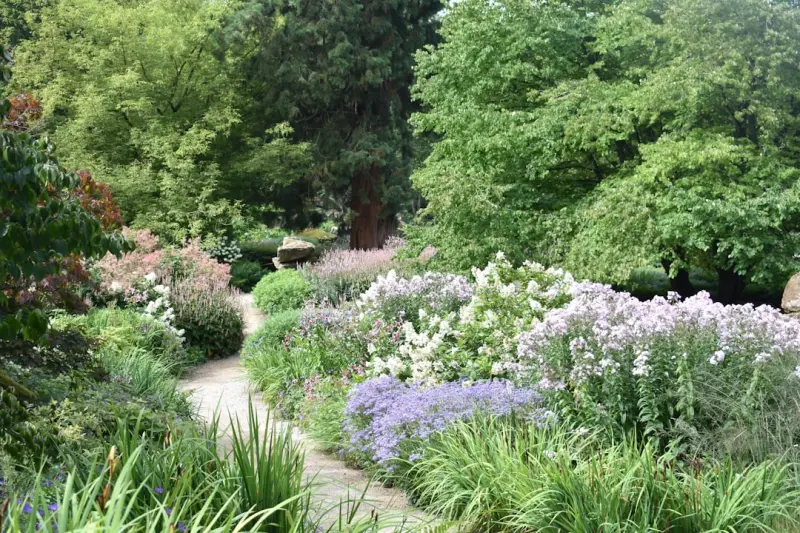
Edible Landscaping: Designing a Garden That Feeds the Soul and the Stomach
Discover the art of edible landscaping—combining visual appeal, sustainable food production, and t... Read More

Transform Your Backyard into a Captivating Night Garden
Discover how to turn your garden into a luminous nightscape with layered lighting, nocturnal plants,... Read More

Embracing the Cozy: How to Create a Warm and Inviting Home Environment
Discover the secrets to creating a cozy home environment that's perfect for relaxing, working, or en... Read More
Top Posts

The Art of Fragrance Layering: Turning Everyday Routines into Sensory Journeys
Fragrance layering turns routine personal care into a curated scent journey, using base, mid, and top notes to support mood, productivity, and self‑expression...Read More
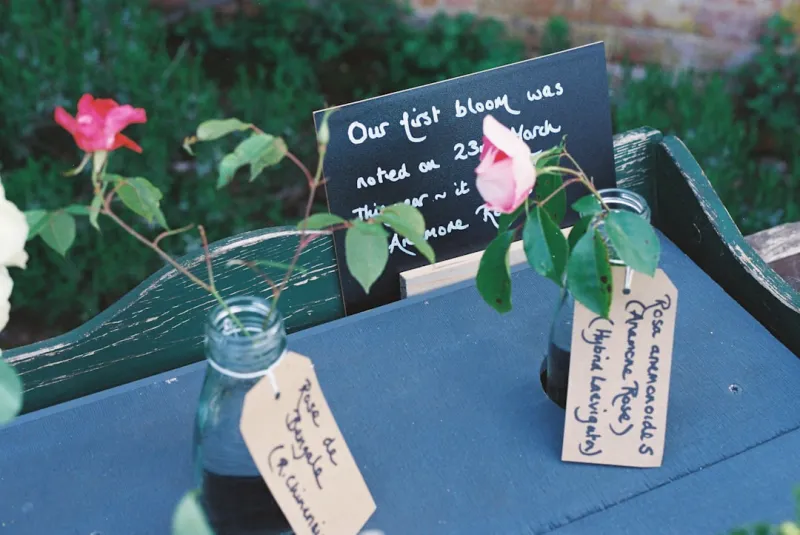
Garden Desks: How Rose DesRochers Is Redefining Home & Garden Living
Rose DesRochers shares her personal journey turning backyard spaces into thriving green workstations, offering design tips, tech hacks, and community insights f...Read More

Biofeedback Wearables: Your Real‑Time Stress Coach
Learn how to use biofeedback wearables as a real‑time stress coach, interpreting heart‑rate variability and other signals to trigger simple, effective actio...Read More

Boost Your Home’s Energy IQ: Smart, Simple Hacks for Every Room
Learn how to audit, optimize, and smarten up your home’s energy use with easy, actionable steps—from lighting and HVAC tweaks to digital minimalism—so you...Read More
0 Comments
Post Comment
You will need to Login or Register to comment on this post!