
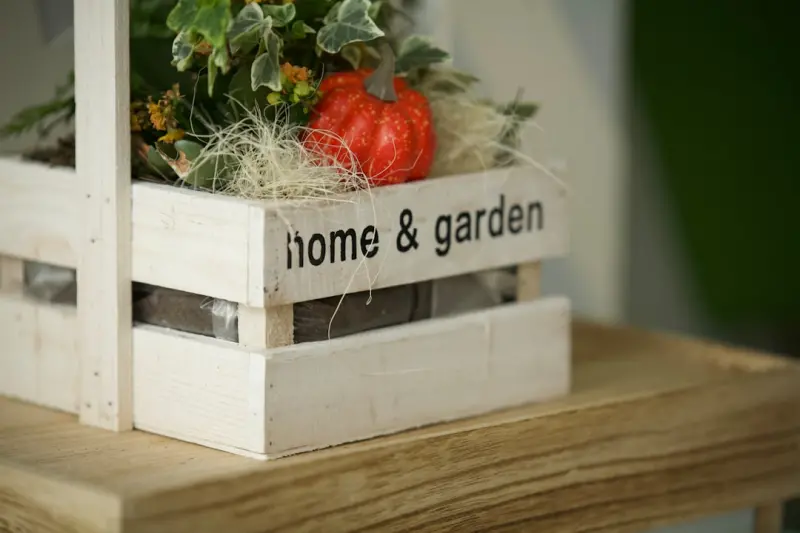
Why a Backyard Sanctuary Deserves Your Attention
When you step out onto your porch after a long day, what do you hope to feel? A sigh of relief? A sense of adventure? For me, the backyard isn’t just an extension of the house—it’s a living, breathing extension of my own nervous system. I’ve spent years turning cramped city balconies into mini‑retreats, and I’ve learned that the secret to lasting calm isn’t a single plant or a trendy rug; it’s the intentional choreography of sight, sound, scent, and touch.
In a world where the “office” can follow you to the kitchen table, the garden becomes the only place you can truly press the pause button. Below, I’ll walk you through how to design a backyard sanctuary that nurtures body, mind, and even the planet—without turning your space into a greenhouse or a food‑first plot (though a nod to From Lawn to Larder is inevitable when you think about thriving ecosystems).
1. Lay the Biophilic Foundations
Biophilic design isn’t a buzzword; it’s a scientific principle that our ancestors evolved with. The simplest way to honor it is by layering greenery at three scales:
- Canopy‑level drama: Tall, structural trees or columnar shrubs create a sense of shelter. Even a modest 8‑foot bamboo screen can mimic the feeling of a forest edge.
- Mid‑level rhythm: Medium‑sized perennials such as lavender, ornamental grasses, and feather‑reed provide texture that changes with the seasons.
- Ground‑level intimacy: Low‑growers like creeping thyme, moss, or dwarf hostas invite you to kneel, sit, or simply run your fingers across the earth.
When you think about layering, imagine a symphony: the treble (canopy) sets the mood, the middle strings (mid‑level) add richness, and the bass (ground) grounds the experience. By consciously mixing these layers, you create a visual depth that feels both expansive and safe.
2. Sculpt Soundscapes for the Soul
Most homeowners obsess over visual aesthetics, yet sound is the most immediate trigger for our nervous system. Here are three low‑tech ways to turn your garden into a private concert hall:
- Water whispers: A modest recirculating fountain or a shallow pebble basin can generate gentle, rhythmic splashes that mask traffic noise.
- Wind chimes with purpose: Choose chimes made from reclaimed copper or bamboo. Their tonal quality should be subtle—think a soft breeze, not a blaring alarm.
- Habitat for birds: Install simple nesting boxes and feeders. The occasional song of a sparrow or chickadee adds a dynamic, ever‑changing melody.
When you pair these auditory cues with fragrant plants (see next section), you’ll find that the garden becomes a multisensory meditation space, not just a visual backdrop.
3. Engage the Olfactory Palette
Scent is the fastest pathway to memory. Selecting aromatic plants that release fragrance at different times of day helps you transition smoothly from sunrise to sunset.
- Morning: Rosemary, thyme, and lemon balm emit bright, citrusy notes that awaken the senses.
- Midday: Lavender, garden sage, and sweet alyssum provide calming, herbaceous aromas that counter midday stress.
- Evening: Night‑blooming jasmine, sweet woodruff, and catnip release their perfume after dusk, encouraging a tranquil wind‑down.
Planting these in clusters rather than isolated pots amplifies their impact, allowing a gentle diffusion that feels like nature’s own aromatherapy.
4. Textural Play: From Soft to Rugged
Touch is often overlooked, but walking barefoot on cool river stones or feeling the softness of a mossy patch can reset your nervous system. Consider incorporating:
- Natural stepping stones: River rocks, slate slabs, or reclaimed wood pallets create a tactile pathway.
- Soft groundcovers: Creeping thyme or dwarf sedum feels like a plush carpet underfoot.
- Interactive sculptures: Weathered metal art or woven willow baskets invite you to run your hands along them, fostering curiosity.
5. Sustainable Materials & Upcycled Furniture
Designing a sanctuary shouldn’t add to the planet’s waste stream. This is where the principles of AI‑Driven Circular Economy meet backyard design. Look for these ideas:
- Reclaimed pallet sofas: Sand, stain, and add weather‑proof cushions. They’re budget‑friendly and give new life to wood that would otherwise sit in a landfill.
- Upcycled metal planters: Old gutters, steel drums, or bicycle frames become striking vertical gardens.
- Eco‑friendly decking: Choose reclaimed hardwood or composite decking made from recycled plastics to create a durable, low‑maintenance deck.
By sourcing locally and repurposing, you create a narrative for each piece—a story you can share with guests, deepening the emotional connection to the space.
6. Invite Pollinators & Wildlife
A thriving garden isn’t just for humans; it’s a hub for biodiversity. Even if you’re not growing vegetables, planting nectar‑rich flowers supports bees, butterflies, and hummingbirds. Some low‑maintenance, pollinator‑friendly choices include:
- Echinacea (coneflower)
- Salvia ‘Mystic Spires’
- Bee balm (Monarda)
- Native grasses like little bluestem
These plants also enhance visual interest, creating pops of color that shift as the season progresses. Adding a simple log pile or a shallow stone “bug hotel” encourages beneficial insects to stay, which in turn reduces the need for chemical pest control.
7. Mindful Rituals: Making the Space Work for You
The sanctuary only becomes sacred when you use it with intention. Here are three daily rituals that turn a garden from a decorative backdrop into a personal wellbeing hub:
- Sunrise sip: Place a small, weather‑proof table near a south‑facing plant. Brew tea, watch the light unfurl, and set a single intention for the day.
- Midday breath: Stand barefoot on cool stones, inhale the lavender scent, and practice a 30‑second box‑breathing exercise.
- Twilight gratitude: Light a solar‑powered lantern, sit on a reclaimed pallet bench, and note three things you’re grateful for as the night‑blooming jasmine releases its perfume.
These moments embed the garden into your routine, making it a consistent source of calm rather than an occasional escape.
8. Subtle Tech Enhancements (Without Over‑Illuminating)
While the recent post on intelligent lighting showcases the power of smart bulbs, you can keep tech minimal and still reap benefits. Consider these discreet upgrades:
- Smart irrigation timers: Connect a rain sensor to a drip‑system so plants receive water only when needed, conserving resources.
- Solar‑powered ambient lighting: Warm LED strips hidden along pathways create a soft glow without electricity costs.
- Air‑quality sensors: Even though you may have read Breathe Easy, placing a compact sensor on the patio can alert you to pollen spikes or ozone levels, prompting you to adjust plant selections or wear a mask.
These tools stay out of sight but work behind the scenes, allowing the garden’s natural elements to remain the star.
9. Seasonal Refresh: Keeping the Sanctuary Alive Year‑Round
One mistake many garden‑enthusiasts make is “set and forget.” A truly dynamic sanctuary evolves with the calendar:
- Spring: Add early‑blooming crocuses and daffodils; introduce a light misting system to increase humidity for tender seedlings.
- Summer: Swap out heavy textiles for breathable linen cushions; introduce a shade sail to temper afternoon heat.
- Fall: Replace bright annuals with foliage‑rich mums and ornamental kale; install a fire pit or bio‑ethanol burner for crisp evenings.
- Winter: Keep a few ever‑green shrubs for structure; add a heated stepping stone or a portable infrared heater to extend usable hours.
These seasonal tweaks keep the sanctuary feeling fresh, inviting you to revisit the space throughout the year.
10. Bringing It All Together
Designing a backyard sanctuary isn’t about ticking boxes; it’s about listening to what your body, mind, and the surrounding ecosystem need. Start small—perhaps with a single scent‑rich herb pot or a reclaimed pallet seat—and let each addition feel like a conversation between you and the land.
When the elements align—visual layers, soothing sounds, fragrant breezes, textured pathways, sustainable furnishings, wildlife visitors, mindful rituals, and a touch of smart tech—you’ll discover that your backyard becomes more than a plot of soil. It transforms into a living, breathing extension of your wellbeing, a place where you can truly reset, recharge, and reconnect.
So, roll up your sleeves, dig a little, and let the secret life of your backyard sanctuary unfold. Your future self (and the pollinators you welcome) will thank you.

Miranda Murphy: Experienced freelance writer with a decade of storytelling expertise. Let's create something amazing together!
Related Posts

From Soil to Spreadsheet: Jimmy Damon’s Guide to a Garden‑Powered Home Office
Jimmy Damon shares how a simple garden desk transformed his work life, offering practical tips to cr... Read More
Why My Garden Desk Became the Heartbeat of Home Living
A garden desk turned my backyard into a vibrant hub, merging work, family, and nature. Learn the ben... Read More
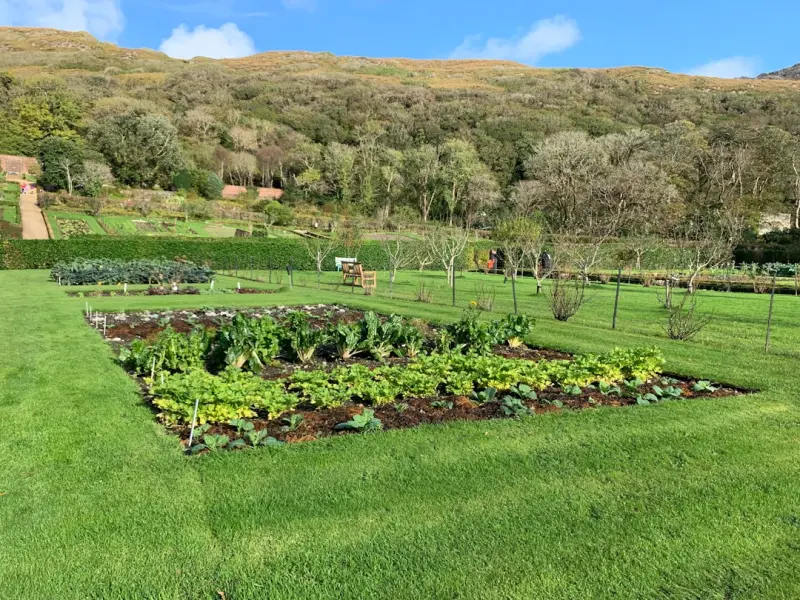
Edible Landscaping: Designing a Food‑Forward Garden That Feeds the Planet and Your Plate
Edible landscaping merges ornamental design with food production, offering homeowners a stunning, su... Read More
Top Posts

AI‑Augmented Decision Dashboards for Strategic Insight
AI‑augmented decision dashboards turn data overload into real‑time strategic guidance, slashing decision latency and aligning human intuition with machine i...Read More

Fresh Home Hacks: Simple Tweaks for a More Comfortable Living Space
Transform everyday rooms with practical, low‑cost hacks that improve comfort, organization, and energy savings, turning your home into a supportive sanctuary....Read More

Smart Storage Strategies to Transform Small Spaces
Learn how to turn vertical space, multipurpose furniture, and simple labeling into powerful storage solutions that keep your home organized, sustainable, and st...Read More

Let the Sun In: Simple Strategies to Flood Your Home with Natural Light
Learn how to transform any space with sunlight through mirrors, light‑reflective surfaces, strategic furniture placement, and subtle décor tweaks that enhanc...Read More
0 Comments
Post Comment
You will need to Login or Register to comment on this post!