

Why a 10‑Minute Evening Reset Is the Secret Weapon Your Home Needs
Imagine walking through your front door after a long day, dropping your keys, and instantly feeling a wave of calm wash over you. The lights are soft, the air smells fresh, and every surface looks exactly as it should—tidy, inviting, and ready for a night of relaxation. This isn’t a fantasy; it’s the result of a disciplined yet effortless habit that takes less time than scrolling through a short video. In this post I’ll walk you through a step‑by‑step, 10‑minute evening reset that reshapes the way you end each day, improves your sleep quality, and subtly boosts your overall wellbeing.
The Science Behind Short‑Term Routines
Our brains love patterns. When you consistently perform a brief sequence of actions at the same time every night, you create a neurological cue that signals “it’s time to wind down.” Over time, the brain releases melatonin earlier, the body’s stress hormones dip, and you find it easier to slip into restorative sleep. This principle is the same one that powers Micro‑Movements, Macro Benefits: Unlocking Health with 60‑Second Workouts—tiny, repeated actions that compound into big results.
What Makes This Reset Different?
Most home‑care guides tell you to “clean the kitchen” or “organize your closet.” Those are valuable, but they can feel like massive projects that require hours of effort. The evening reset I’m sharing focuses on three core pillars:
- Physical declutter – a quick sweep of high‑traffic zones to remove visual noise.
- Environmental reset – adjusting light, scent, and sound to cue relaxation.
- Mindful transition – a brief mental exercise that shifts you from work mode to home mode.
Each pillar can be completed in under four minutes, making the entire routine comfortably fit into a 10‑minute window.
Step‑by‑Step Guide
1. Clear the Entryway (2 minutes)
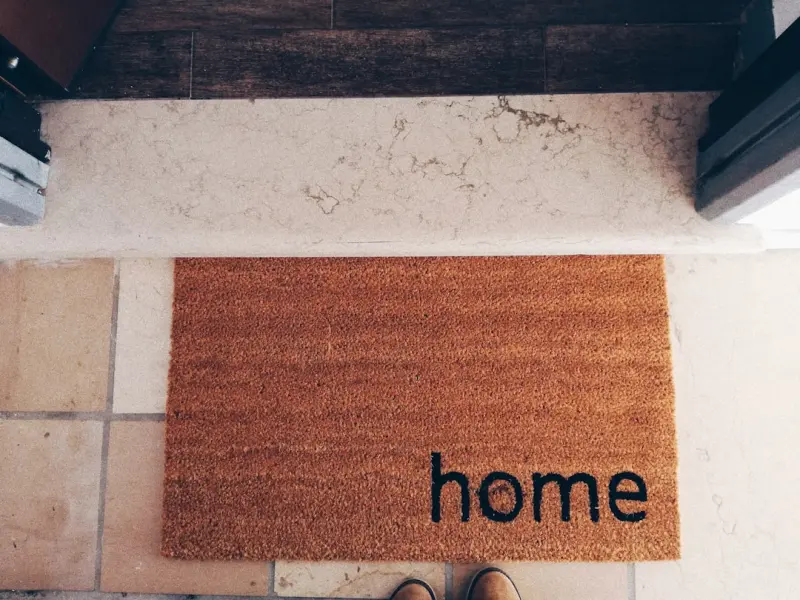
The entryway is the first visual impression you get when you walk inside. A stray shoe, a stack of mail, or a pile of kids’ backpacks can trigger a subconscious sense of chaos. Take two minutes to:
- Put shoes on the designated rack or mat.
- Deposit any mail into a “to‑process” basket that you’ll handle the next morning.
- Wipe down the door handle and any nearby surfaces with a quick disinfecting wipe.
These actions create an immediate sense of order and prevent the “out‑of‑place” feeling that can linger for hours.
2. Kitchen Quick‑Clean (2 minutes)
Even if you’re not cooking dinner, the kitchen is often the heart of household activity. A quick reset includes:
- Loading any dirty dishes into the dishwasher or filling the sink with warm, soapy water for a quick hand‑wash.
- Wiping down the stovetop, counters, and the fridge door with a microfiber cloth. Use a natural citrus cleaner if you want a fresh scent without chemicals.
- Emptying the trash if it smells, or at least securing the lid.
This short ritual eliminates lingering food odors that could interfere with your night‑time breathing and reduces the mental load of “I have to clean later.”
3. Living Area Light & Scent Reset (2 minutes)
Lighting and scent are powerful, non‑verbal cues that tell your nervous system it’s time to unwind. Follow these two sub‑steps:
- Lighting: Dim the overhead lights to a warm 2700‑3000 K hue. If you have smart bulbs, schedule them to dim automatically at your chosen reset time. For a more natural approach, pull a sheer curtain to filter harsh daylight and replace it with a low‑watt lamp or a set of LED candles.
- Scent: A subtle fragrance can shift mood dramatically. I recommend a few drops of lavender or cedarwood essential oil on a diffuser, or simply light a soy candle. For those who enjoy a deeper dive into olfactory influence, check out Scent as Strategy: Leveraging Personal Fragrance for Mood, Focus, and Wellness to understand how scent can be used intentionally throughout the home.
These sensory tweaks don’t require a major renovation; they’re inexpensive, easy, and highly effective.
4. Quick Tidy of High‑Traffic Surfaces (2 minutes)
Pick the three most visible surfaces in your home—typically the coffee table, the nightstand, and the bathroom counter. For each, spend about 40 seconds:
- Collect any stray items (remote controls, notebooks, cosmetics) and place them in their designated “home.”
- Wipe the surface with a dry microfiber cloth to remove dust.
- Leave a small decorative element—a single succulent, a framed photo, or a scented stone—to create a focal point that feels intentional.
This micro‑tidying method prevents clutter from building up and keeps your home looking curated without the need for a marathon cleaning session.
5. Mindful Transition (2 minutes)
The final component is a mental cue that tells your brain you’re shifting gears. Here are two simple techniques you can rotate:
- Box Breathing: Inhale for four counts, hold for four, exhale for four, hold for four. Repeat three times.
- Gratitude Snap: Think of three things that went well today, however small, and acknowledge them silently.
Both practices lower cortisol, prime the parasympathetic nervous system, and help you glide into a restful state. If you want a more structured environment for this mental shift, consider creating a dedicated nook—perhaps a corner with a comfortable chair and a small lamp. Designing Quiet, Focus‑Friendly Zones in an Open‑Plan Home offers excellent guidance on carving out such spaces without sacrificing the flow of an open floor plan.
Why Consistency Beats Perfection
It’s tempting to aim for a perfect home that never shows a speck of dust. The paradox is that perfection fuels procrastination: if the bar is set too high, you’ll skip the routine altogether. A 10‑minute reset is modest, achievable, and forgiving. Miss a night? No problem. The habit is resilient because it’s built on tiny, repeatable actions that don’t overwhelm you.
Scaling the Reset for Different Lifestyles
Not every household looks the same, so feel free to adapt the routine:
- Families with Young Children: Include a “toy sweep” where everyone gathers toys into a bin during the 2‑minute surface tidy.
- Pet Owners: Add a quick pet‑area brush‑off and a check for pet hair on the couch.
- Remote Workers: Extend the light reset to include your home office—turn off task lights and switch to a soft desk lamp.
The core principle remains: a brief, consistent sequence that signals “home mode.”
Measuring Success Without Obsessing Over Numbers
Unlike fitness metrics that rely on heart rate or reps, the success of an evening reset is felt qualitatively. Pay attention to:
- How quickly you fall asleep after the routine.
- Whether you wake up feeling rested, not groggy.
- Any reduction in evening stress or mental chatter.
After a week of consistency, you’ll likely notice subtle but meaningful shifts—your home feels more inviting, and you’ll approach bedtime with less mental baggage.
Common Pitfalls and How to Avoid Them
- Skipping the scent step: If you’re sensitive to fragrances, opt for unscented candles or a gentle humidifier. The goal is a calming atmosphere, not an overpowering perfume.
- Trying to “do it all”: Stick to the time limits. If you find yourself lingering, set a timer for each step.
- Neglecting the mental component: The brain needs that final cue. Even a 30‑second deep‑breath practice is better than none.
Wrap‑Up: Your Home, Your Sanctuary
In the hustle of modern life, the home should be a sanctuary, not another source of stress. By investing just ten minutes each evening in a purposeful reset, you reclaim control over your environment, lower your stress hormones, and set the stage for a night of deep, restorative sleep. The routine is simple, adaptable, and backed by neuroscience—making it a low‑effort, high‑return habit that any household can adopt.
Give it a try tonight. Set a timer, follow the steps, and notice how the subtle shift changes the way you feel when you finally crawl into bed. Your home will thank you, and you’ll wake up ready to tackle whatever comes next.

Brad Hays is a freelance writer known for his versatile skill set and ability to craft compelling content across a wide range of industries.
Related Posts
Smart Home Hacks for a Greener, More Efficient Household
Learn how simple automations, data visibility, and smart habits can transform any home into an energ... Read More

Silent Power: How Smart Lighting Transforms Mood and Energy at Home
Learn to turn any room into a mood‑responsive sanctuary with smart lighting, from morning focus bo... Read More

How to Turn Your Home Into a Low‑Cost Smart Energy Hub
Learn how to create a low‑cost smart energy hub with simple monitoring, scheduling, and adaptive c... Read More
Top Posts

Nurturing Your Gut Microbiome for Better Mood and Energy
Learn how a balanced gut can enhance mood, energy, and creativity through simple dietary swaps, mindful movement, and easy tracking methods....Read More

Why My Garden Desk Is the Hottest Home & Garden Trend of 2024
Jimmy Damon shares his personal journey turning a backyard into a productivity‑boosting garden desk, highlighting design tips, plant choices, and the future o...Read More

Beyond the Itinerary: Crafting Immersive Sensory Journeys
Explore a fresh travel approach that engages all five senses—from soundscapes and scents to textures and flavors—turning ordinary trips into lasting, immers...Read More

Edible Landscaping: How to Grow a Beautiful, Productive Garden That Feeds Your Table
A fresh look at turning your outdoor space into a thriving edible landscape that’s as stunning as it is sustainable....Read More
0 Comments
Post Comment
You will need to Login or Register to comment on this post!