

How AI Is Redefining Corporate Culture from the Inside Out
When I first started tinkering with machine‑learning models in my garage, I imagined a future where AI would sit on a pedestal, crunching numbers and spitting out flawless forecasts. What I didn’t anticipate was the subtle, almost invisible way these algorithms would begin to infiltrate the very fabric of our organizations—shaping how teams collaborate, how values are reinforced, and how trust is earned.
Today, AI is no longer just a tool for optimizing supply chains or predicting churn. It’s becoming a cultural catalyst, quietly influencing the unwritten rules that govern daily interactions. In this deep dive, I’ll explore three under‑appreciated ways AI is molding corporate culture, why leaders should pay attention, and how to harness this momentum without compromising authenticity.
The Unseen Mentor: AI as a Behavioral Coach
Most of us are familiar with AI‑driven performance dashboards that track KPIs. What’s less obvious is the emergence of AI systems that act as personal mentors, nudging employees toward behaviors that align with a company’s stated values. These aren’t the chatbots that answer “What’s the Wi‑Fi password?” but sophisticated models that analyze communication patterns, meeting dynamics, and even sentiment in written updates.
Imagine a scenario where an employee consistently dominates meetings, cutting off quieter teammates. An AI coach can detect this pattern, flag it in a private, non‑judgmental way, and suggest micro‑adjustments—like pausing after each point or explicitly inviting input. Over time, these subtle prompts foster a culture of inclusivity and psychological safety, without the need for heavy‑handed policy enforcement.
What makes this approach powerful is its data‑driven objectivity. Humans are prone to bias; an algorithm that bases its feedback on quantifiable interaction metrics can surface blind spots that even the most well‑meaning manager might miss.
Embedding Ethical Guardrails Directly into Workflow
Corporate scandals often arise from decisions made in silos, where ethical considerations are an afterthought. AI can help flip that script by embedding ethical guardrails into the very tools employees use every day.
Take the product development lifecycle. A generative AI that proposes new feature ideas can be trained on a company’s ethical framework—say, fairness, privacy, and sustainability. When the model suggests a feature that conflicts with these principles (e.g., a data‑intensive personalization that compromises user privacy), it automatically flags the concern, providing a brief rationale and alternatives that stay within the ethical boundary.
This isn’t about replacing human judgment; it’s about ensuring that ethical checkpoints are never bypassed because they’re hidden at the end of a long development sprint. By surfacing these considerations early, teams internalize a culture where ethics is a proactive, integral part of creation—not a retroactive compliance checkbox.
AI‑Powered Narrative Building: Crafting a Shared Story
Stories are the glue of any organization. They give meaning to milestones, rally teams during change, and preserve institutional memory. Traditional narrative building has relied on senior leaders or PR teams, but AI is democratizing this process.
Advanced language models can ingest a company’s historical communications—quarterly reports, internal newsletters, even Slack threads—to distill recurring themes and translate them into compelling narratives. When a new strategic pivot occurs, AI can generate a suite of narrative drafts that align with the company’s voice, highlight relevant past successes, and anticipate potential concerns.
These AI‑generated narratives empower mid‑level managers and project leads to tell their own version of the story, ensuring that the overarching corporate narrative feels authentic and inclusive. The result is a cultural shift from top‑down storytelling to a chorus of voices, each calibrated by AI to stay on brand.
From Data Silos to Cultural Bridges
One of the most persistent challenges in large enterprises is the fragmentation of data across departments. This fragmentation often mirrors cultural divides—sales doesn’t speak the same language as engineering, marketing operates in a different rhythm than product, and so on.
AI can act as a translator between these silos, not just by standardizing data formats, but by surfacing the human context behind the numbers. For instance, a machine‑learning model might notice that the sales team’s quarterly targets are consistently missed during periods when the engineering team is releasing major updates. By correlating these patterns, AI surfaces a cultural insight: perhaps engineers are overloaded, leading to slower response times for sales inquiries.
When these insights are shared transparently, they spark cross‑functional conversations that address root causes, rather than merely reallocating resources. Over time, this fosters a culture of empathy and shared ownership—departments begin to see each other not as isolated units, but as interdependent partners in a common mission.
Balancing Transparency and Trust
Deploying AI in the cultural sphere raises a critical question: how much should employees know about the algorithms influencing them? The answer lies in a calibrated approach that balances transparency with operational effectiveness.
First, communicate the intent. If an AI coach will be providing feedback on meeting dynamics, let participants know why it’s being used, what data it collects, and how the insights will be presented. Second, give control back to the individual—allow them to opt‑out of certain nudges or to review the raw data that informed the recommendation.
Transparency builds trust, but over‑exposure can lead to “algorithm fatigue” where employees feel surveilled. The sweet spot is a clear, concise disclosure paired with tangible benefits: “You’ll receive a weekly tip on how to make your meetings more inclusive, based on anonymized interaction data.”
Practical Steps for Leaders Ready to Leverage AI for Culture
- Identify cultural pain points. Start with a survey or focus group to pinpoint where the current culture feels misaligned with strategic goals.
- Choose AI tools with cultural intent. Look for platforms that offer behavioral nudging, ethical compliance checks, or narrative generation—not just analytics dashboards.
- Pilot in a low‑risk environment. Test the AI coach in a single team, gather feedback, and iterate before scaling.
- Embed feedback loops. Ensure that AI‑driven insights are reviewed by human leaders who can contextualize and act on them.
- Measure cultural impact. Use metrics like employee net promoter score (eNPS), inclusion indices, and ethical audit results to gauge success.
Real‑World Example: AI‑Enhanced Collaboration at a Mid‑Size SaaS Firm
At a growing SaaS company, the leadership team noticed that cross‑functional projects were consistently delayed. The root cause? Misaligned expectations and a lack of shared language between product and sales.
The company introduced an AI‑powered collaboration assistant that performed three core functions:
- Conversation Summarizer: After each meeting, the AI generated concise minutes, highlighting decisions, action items, and sentiment cues.
- Expectation Alignment Alerts: By analyzing the language used in product specifications versus sales forecasts, the AI flagged discrepancies—e.g., a feature described as “beta‑ready” in product but “general availability” in sales.
- Cultural Pulse Dashboard: Aggregated sentiment data from chat channels to surface morale trends, allowing leadership to intervene proactively.
Within six months, the firm reported a 15% reduction in project cycle time and a measurable uptick in cross‑departmental trust, as evidenced by improved eNPS scores. The AI didn’t replace human judgment; it amplified it, turning data into a shared cultural language.
Connecting the Dots: AI’s Role in the Larger Narrative
While the examples above focus on specific interventions, the broader narrative is clear: AI is evolving from a utility to a cultural architect. It helps organizations articulate their values, reinforce ethical standards, and create a shared story that resonates across every level.
If you’re curious about how AI can act as a supportive presence throughout the workday, check out our piece on AI as a workplace ally. And if you’re interested in how AI can sharpen your negotiation tactics while staying aligned with cultural values, our deep dive on AI‑driven negotiation insights offers actionable takeaways.
Looking Ahead: The Future of AI‑Infused Culture
We’re just scratching the surface. As generative models become more adept at understanding nuance, we’ll see AI taking on roles like:
- Real‑time cultural health monitoring, alerting leaders to emerging toxicity before it spreads.
- Personalized learning pathways that adapt not just to skill gaps but to individual motivations and values.
- Dynamic policy generation that evolves with regulatory changes and internal ethical standards.
The key takeaway? AI will not dictate culture; it will illuminate it. The organizations that thrive will be those that treat AI as a mirror—reflecting both the strengths they wish to amplify and the blind spots they need to address.
In the end, culture remains a human endeavor. AI simply gives us a sharper lens through which to see it, and a set of tools to shape it with greater precision. Embrace the technology, but stay grounded in the people it serves, and you’ll find that the future of corporate culture is not only smarter—it’s more human.

Brad Hays is a freelance writer known for his versatile skill set and ability to craft compelling content across a wide range of industries.
Related Posts

AI‑Enabled Empathy Engines: Turning Data into Compassionate Collaboration
Explore the rise of AI‑enabled empathy engines that analyze sentiment, provide real‑time nudges,... Read More

AI‑Enhanced Habit Stacking: Supercharging Your Daily Routines
Learn how AI can intelligently combine tiny habits into a seamless stack, turning everyday routines ... Read More
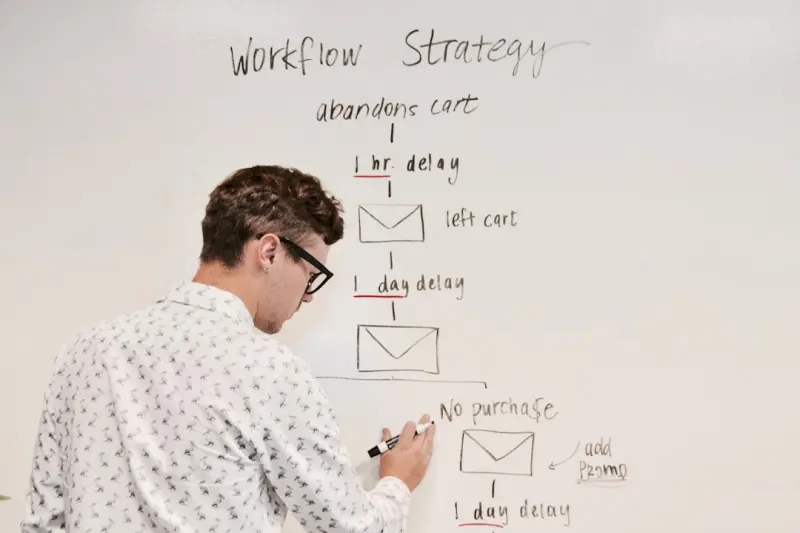
AI as a Strategic Co‑Creator: Re‑Defining Decision‑Making in the Enterprise
This article reveals how AI can transition from a backstage assistant to a strategic co‑creator, o... Read More
Top Posts
AI as Your Invisible Co‑Pilot: Boosting Freelance Productivity
Artificial intelligence can act as a subtle co‑pilot for freelancers, handling routine tasks, offering personalized focus nudges, and enhancing creative brain...Read More

Micro‑Getaways: Turning Everyday Commutes Into Pocket Adventures
Explore the power of micro‑travel: turn routine commutes, train rides, and local strolls into memorable pocket adventures that refresh the mind and support su...Read More

Storytelling as Therapy: Rewriting Your Inner Narrative
Explore how turning everyday experiences into personal stories can transform stress into growth, using simple writing, speaking, and digital sharing practices....Read More

Travel Soundscapes: Turning Ambient Audio into Immersive Memories
Explore the power of travel soundscapes—learn to record, organize, and share ambient audio that turns ordinary trips into vivid, lasting memories....Read More
0 Comments
Post Comment
You will need to Login or Register to comment on this post!