
The Rise of the AI Decision Companion
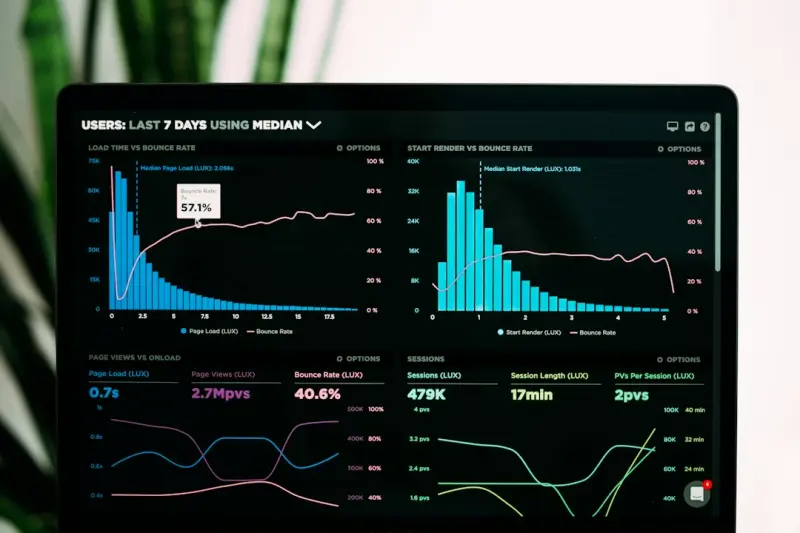
When I first heard the term “decision companion,” I imagined a sleek robot perched on my desk, waiting to hand me a clipboard of choices. What actually unfolded in the last few months feels less sci‑fi and more like a quiet evolution in the tools we use daily. Companies are embedding lightweight, conversational AI agents into everything from email clients to project boards, turning raw data into actionable insights at the moment you need them.
Unlike the grand, headline‑grabbing AI projects that promise to replace entire job categories, this wave focuses on augmentation. It’s not about AI taking the wheel; it’s about AI sitting in the passenger seat, nudging you toward better, faster, and more confident decisions without demanding a full‑scale workflow redesign.
Why Traditional Tools Fall Short
We’ve all been there: juggling spreadsheets, dashboards, and endless email threads to triangulate a single decision. Each tool solves a slice of the problem but rarely speaks to the whole picture. The friction points are familiar:
- Information silos: Data lives in separate systems, forcing you to copy‑paste and reconcile manually.
- Context loss: When you open a report, you lose the narrative that led you there.
- Time lag: By the time you aggregate the numbers, the market or client situation may have shifted.
Even the most polished business intelligence platforms can’t answer “What should I do next?” in real time. That’s where an AI decision companion shines – it bridges the gap between raw data and the nuanced judgment that only a human can apply.
Design Principles of an Effective AI Companion
Building a companion that feels like a trusted colleague, not a noisy chatbot, hinges on three design principles:
- Contextual awareness. The AI must understand the surrounding workflow, whether you’re drafting a proposal or reviewing a sprint retro. It pulls in relevant metrics, prior decisions, and even your personal preferences without you having to spell them out each time.
- Proactive, not intrusive. Good companions surface suggestions at the right moment—think “You have a meeting with the finance team in 15 minutes; here’s a quick snapshot of last quarter’s expenses.” They don’t flood you with alerts the moment a new KPI updates.
- Explainable reasoning. Trust is earned when the AI can articulate why it’s recommending option A over B. Simple visual cues, confidence scores, and short rationales turn a black‑box suggestion into a collaborative dialogue.
When these principles are baked in, the AI behaves like a seasoned advisor who knows your priorities, respects your time, and always offers a clear line of reasoning.
Real‑World Applications
Across industries, teams are already harnessing AI companions in creative ways that go beyond the usual “forecasting” narrative.
- Product road‑mapping: An AI assistant scans user feedback, support tickets, and market trends to suggest the next feature priority, complete with risk assessments.
- Client negotiations: While you prep for a call, the AI pulls in the client’s recent purchases, contract history, and even sentiment analysis from prior emails, giving you a concise briefing you can reference on the fly.
- Compliance checks: Before you hit “send” on a regulatory filing, the companion flags any missing fields or inconsistencies, citing the exact clause that needs attention.
These scenarios illustrate a shift from static dashboards to dynamic, conversational partners that adapt as you work.
Getting Started in Your Organization
If you’re intrigued by the prospect of an AI decision companion, here’s a pragmatic roadmap to bring one to life without overhauling your tech stack:
- Identify low‑friction pilot areas. Look for processes that already generate digital breadcrumbs—email threads, CRM updates, or ticketing systems. These are fertile grounds for AI to surface insights with minimal integration effort.
- Leverage existing platforms. Many collaboration suites now offer plug‑in ecosystems where you can embed custom bots. Rather than building from scratch, start with a configurable assistant that can read your data sources.
- Iterate on prompts. The heart of a decision companion is the prompt library—templates that tell the model what to surface and how to explain it. Begin with a handful of high‑impact prompts, test them with a small user group, and refine based on feedback.
- Measure impact. Track both quantitative metrics (time saved, decision latency) and qualitative signals (user satisfaction, perceived trust). This data will justify scaling the companion across more teams.
- Scale responsibly. As you broaden the AI’s reach, implement governance policies around data privacy, bias detection, and version control to keep the system reliable and ethical.
To put this into perspective, consider the portfolio mindset many professionals adopt when showcasing their work. The same principle applies to AI companions: treat each prompt and integration as a portfolio piece—document its purpose, outcomes, and lessons learned. Over time, you’ll build a showcase of AI‑enhanced workflows that demonstrate tangible value.
Balancing Automation with Human Judgment
Critics often warn that AI will erode human expertise. In practice, the most successful deployments treat AI as a safety net rather than a replacement. The companion flags anomalies, surfaces alternatives, and offers data‑driven confidence scores, but the final call remains with the human decision‑maker.
One way to maintain this balance is to embed “human‑in‑the‑loop” checkpoints. For example, after an AI suggests a pricing adjustment, the system can request a quick approval from the finance lead before the change is enacted. This not only preserves accountability but also creates a feedback loop where the AI learns from each human affirmation or correction.
Future Outlook: From Companion to Co‑Creator
Looking ahead, the line between assistant and co‑creator will blur. Imagine an AI that doesn’t just recommend a marketing angle but drafts the initial copy, runs A/B simulations, and refines the message in real time based on live performance data. The companion evolves from a reactive tool into an iterative partner, capable of generating, testing, and optimizing content on the fly.
While that vision sounds ambitious, the building blocks are already in place: advanced language models, real‑time data pipelines, and increasingly sophisticated prompt engineering. Companies that start experimenting today will be the ones that later transition from “AI‑enhanced decision‑making” to “AI‑driven co‑creation.”
Practical Tips to Keep Your AI Companion Human‑Centric
- Start with empathy. Even though we’re avoiding the “empathy” phrasing from previous posts, the core idea remains—design the companion to respect users’ mental load and preferences.
- Keep the language natural. Use concise, conversational phrasing that feels like a colleague’s suggestion rather than a formal report.
- Provide easy opt‑out. Users should be able to dismiss or defer suggestions without friction, reinforcing that the tool is an aid, not a mandate.
- Iterate based on real usage. Monitor how often suggestions are accepted versus ignored to fine‑tune the relevance of prompts.
Integrating with Everyday Tech
Many readers ask how to mesh an AI companion with the devices they already love. The answer often lies in connected wellness devices—but think beyond health. Smart conference room displays, voice‑activated assistants, and even digital whiteboards can serve as touchpoints for the companion to deliver insights where you’re already working.
For instance, a voice‑activated hub in a meeting room could surface the latest sales figures just as the team gathers, allowing the discussion to start on a data‑rich footing. Or a digital whiteboard could display a real‑time risk heat map generated by the AI as you sketch out project timelines.
Conclusion: Embrace the Companion, Not the Replacement
The AI decision companion is less a futuristic fantasy and more a practical, incremental upgrade to our existing workflows. By focusing on context, proactivity, and explainability, it turns the overwhelming flood of data into a steady stream of clear, actionable guidance. The journey begins with small pilots, thoughtful prompt design, and a commitment to keeping the human at the center of every recommendation. As you experiment, you’ll discover that the real power lies not in the AI itself, but in the collaborative rhythm you establish with it—a rhythm that amplifies your expertise and frees you to focus on the truly strategic work.

Jody Henderson is a passionate freelance writer, driven by a love for storytelling and a keen eye for detail. With a versatile skillset, she crafts compelling content across a variety of niches, from engaging blog posts to informative articles and persuasive marketing copy.
Related Posts

When AI Becomes Your Personal Decision Coach
A decision‑coach AI pairs data aggregation, predictive modeling, and human feedback to turn overlo... Read More
The Hidden Engine: How AI Is Quietly Rewiring Enterprise Knowledge Networks
AI is becoming the invisible scaffolding that reshapes how companies capture, organize, and mobilize... Read More

The AI Empathy Engine: Turning Data into Human Insight
Discover the AI Empathy Engine, a framework that transforms emotional signals from chats, meetings, ... Read More
Top Posts

Micro‑Movement Moments: Recharging Your Body in a Desk‑Centric World
Micro‑movement moments are short, intentional bursts of activity that counteract the toll of prolonged sitting, enhancing both physical health and mental clar...Read More

AI as Your Real‑Time Ethical Compass: Auditing Decisions on the Fly
Learn how a real‑time AI ethical auditing system can serve as a live “compass,” surfacing bias and compliance concerns the moment they arise, empowering t...Read More

Reimagining Career Paths: Micro‑Mentoring and Agile Contracts in the Modern Workplace
Traditional career ladders are giving way to fluid growth models. This article examines how micro‑mentoring and agile contracts empower employees to continuou...Read More

Beyond the Gym: Tiny Movements That Transform Office Health
Micro‑movements are quick, intentional actions woven into the workday that combat the health toll of prolonged sitting. Learn how these tiny habits can improv...Read More
0 Comments
Post Comment
You will need to Login or Register to comment on this post!