
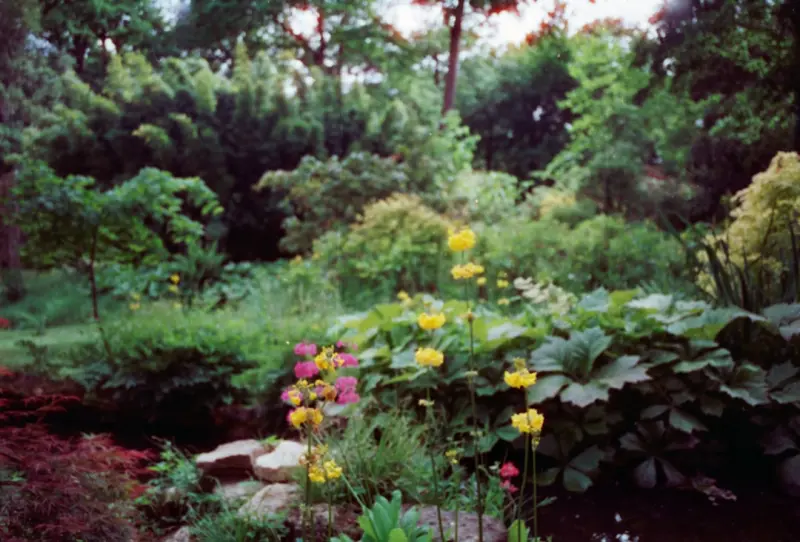
When I first stared at the blank expanse of my front yard, the temptation was to fill it with the usual ornamental shrubs and tidy lawns, yet a lingering voice inside urged me to ask, “What if this canvas could feed the family while still looking like a work of art?” That question sparked my journey into edible landscaping, a practice that blurs the line between decorative planting and kitchen harvest, allowing homeowners to harvest tomatoes from a trellis that doubles as a garden sculpture or pluck fragrant herbs from a hedge that frames the driveway. The beauty of this approach lies in its ability to satisfy both the eye and the palate, turning everyday walks through the yard into a sensory adventure where color, texture, and aroma converge with culinary potential. In the sections that follow, I’ll share the mindset, design principles, and practical steps that transformed my own property into a living pantry without sacrificing the aesthetic elegance I cherish.
Why Edible Landscaping Beats Traditional Lawns
Beyond the obvious reduction in water usage and mowing labor, edible landscaping delivers a steady stream of fresh produce that can dramatically lower grocery bills, especially when you choose high‑yield varieties that thrive in your microclimate; imagine biting into a sun‑kissed strawberry that grew just steps away from your patio, the flavor of which no store‑bought fruit can match. Moreover, this approach invites a richer biodiversity, as pollinators and beneficial insects are drawn to the flowering fruit and vegetable plants, creating a self‑sustaining ecosystem that naturally curbs pests and supports soil health. From a design standpoint, the integration of edible species adds layers of texture—think of the glossy leaves of kale juxtaposed with the delicate fronds of ornamental grasses—while the seasonal ebb and flow of blooms ensures year‑round visual interest, turning your garden into a dynamic tableau that evolves with each passing month.
Mapping Your Space: The Blueprint for Success
The first step toward a thriving edible landscape is a thorough site analysis, which involves observing sunlight patterns, wind exposure, and existing soil conditions; a simple sketch noting the hours of direct sun each section receives can reveal perfect spots for sun‑loving tomatoes and shaded niches ideal for leafy greens such as chard. Once you’ve charted these zones, consider the flow of foot traffic and the sightlines from key viewing points like windows and decks, ensuring that functional pathways double as informal harvesting routes that don’t disrupt the visual harmony of the space. Incorporating raised beds or tiered planters can not only enhance drainage and soil control but also add architectural interest, allowing you to weave ornamental elements like curved stone edges or reclaimed wood borders into the edible framework without compromising productivity.
Selecting Dual‑Purpose Plants
Choosing species that excel both as decorative accents and as food sources is the heart of edible landscaping; plants such as ornamental kale, which offers striking purple foliage in winter, or rainbow chard, whose vibrant stems serve as a colorful border while providing nutrient‑dense leaves, exemplify this duality. Fruit‑bearing shrubs like dwarf pomegranate or hardy blueberry bushes can act as focal points, their blossoms delivering seasonal bursts of color that later reward you with fresh berries, while vines such as climbing beans or nasturtiums climb trellises and pergolas, adding vertical flair and a splash of yellow or orange that brightens any garden wall. When selecting, prioritize varieties adapted to your local climate to minimize the need for intensive care, and don’t shy away from integrating ornamental herbs—lavender, rosemary, and thyme not only perfume the air but also enhance culinary dishes, creating a seamless bridge between garden aesthetics and kitchen creativity.
Soil Foundations and Sustainable Practices
Healthy soil is the unseen engine behind any successful edible garden, so before planting, invest time in testing pH levels and amending the earth with compost, leaf mold, and well‑rotted manure to boost organic matter, which improves water retention and nutrient availability for both decorative and edible plants. Incorporating mulches such as shredded bark or straw not only conserves moisture and suppresses weeds but also adds a textural contrast that enriches the visual palette, while the gradual decomposition of these layers feeds the soil microbes that sustain plant vigor. To further enhance sustainability, consider implementing rain barrels or drip irrigation systems that deliver water directly to root zones, reducing evaporation and ensuring that every drop supports the growth of your ornamental fruit trees and herb borders alike.
Design Patterns: Layering, Color, and Form
Effective edible landscaping relies on strategic layering, where taller fruit trees or arching vines form the backdrop, medium‑height shrubs like artichokes or ornamental peppers occupy the middle tier, and low‑growing herbs and lettuce create a lush foreground, echoing the classic garden design principle of foreground‑midground‑background while simultaneously maximizing harvestable space; this vertical arrangement not only optimizes light penetration but also creates a sense of depth that draws the eye across the landscape. Color coordination further amplifies visual impact; pairing the deep burgundy of purple basil with the bright orange of calendula blossoms creates a vibrant contrast that delights the senses, while the silvery foliage of sage provides a neutral canvas that allows fruit hues to pop. Adding structural elements such as rustic trellises, reclaimed pallets, or stone edging can delineate planting zones without breaking the organic flow, ensuring that each edible feature feels intentional rather than haphazard.
Welcoming Pollinators and Beneficial Wildlife
One of the hidden rewards of edible landscaping is its ability to attract pollinators, which in turn boost fruit set and vegetable yields; planting clusters of nectar‑rich flowers like borage, echinacea, and bee balm near fruiting trees creates buzzing highways for bees and butterflies, while the inclusion of host plants such as fennel and dill invites beneficial insects like ladybugs and hoverflies that keep aphid populations in check. Providing modest habitats—small rock piles, birdhouses, or shallow water dishes—further diversifies the garden’s ecosystem, turning your edible oasis into a thriving sanctuary where nature’s own pest‑control agents do the heavy lifting, reducing reliance on chemical interventions and reinforcing the sustainable ethos at the core of this gardening philosophy.
Seasonal Maintenance and Harvest Strategies
Maintaining an edible landscape requires a rhythm that aligns with plant phenology; early spring is the ideal window for pruning fruit trees, applying a balanced organic fertilizer, and sowing cool‑season crops like peas and radishes, while midsummer calls for regular harvesting of ripe produce to encourage continued fruiting and to prevent over‑maturity that can attract pests. Mulching after each harvest not only retains soil moisture but also provides a clean surface for future planting, and rotating crops annually—shifting beans to a former lettuce bed, for example—helps break disease cycles and preserves soil fertility. Embracing a “first‑in‑first‑out” harvesting mindset ensures that you always enjoy the freshest flavors, and it also trains plants to produce more abundantly, as many fruiting species respond positively to consistent picking by generating additional yields throughout the growing season.
Bringing It All Together: Your Edible Landscape Awaits
By weaving together aesthetics, sustainability, and nutrition, edible landscaping transforms ordinary yards into functional works of art that feed both body and soul, offering a rewarding alternative to conventional lawns that can be both beautiful and bountiful. If you’re curious about extending this concept indoors, explore our guide to a year‑round indoor herb garden, which shows how to cultivate culinary herbs on a sunny windowsill, or discover clever space‑saving techniques in vertical gardens that let you grow upward when ground space is at a premium. Take the first step today—draw a quick sketch of your property, select a handful of dual‑purpose plants, and let the soil tell its story; before long, you’ll find yourself strolling through a garden that not only looks stunning but also delivers fresh, home‑grown flavors straight to your kitchen table.

Jimmy Damon loves to right on a large scale of topics with all things Canadian as this Montreal die hard loves hockey. fishing and sports.
Related Posts
Rose DesRochers’ Garden Desk Revolution: Cultivating Productivity in the Home & Garden
Rose DesRochers reveals the garden desk trend that merges nature with work, offering design tips, he... Read More

Rooftop Rain Gardens: Turning City Roofs into Lush, Sustainable Sanctuaries
Discover how rooftop rain gardens transform unused roof space into vibrant, water‑wise ecosystems ... Read More
Vertical Edible Gardens: Harvesting Freshness on Your Home Walls
A step‑by‑step guide to building a vertical edible garden in compact homes, blending practical d... Read More
Top Posts

Why Role Fluidity Is the Next Competitive Edge for Companies
The post examines the rise of role fluidity, a strategic shift from fixed job descriptions to dynamic responsibility clusters, highlighting AI’s role, a realâ...Read More

Why Garden Desks Are Redefining the Modern Employee Experience
Explore how garden desks transform workspaces, boost focus, and future‑proof careers by blending productivity with the outdoors....Read More

The Art of Curating Everyday Calm: Simple Home Rituals That Stick
Learn how small, intentional tweaks—like visual anchors, micro‑zones, scent routines, and mindful movement—can transform your home into a daily sanctuary ...Read More

AI as the Invisible Co‑Pilot for Strategic Decision‑Making
AI is evolving from a tool that creates content to a silent partner that filters noise, predicts outcomes, and offers prioritized recommendations, enabling lead...Read More
0 Comments
Post Comment
You will need to Login or Register to comment on this post!