
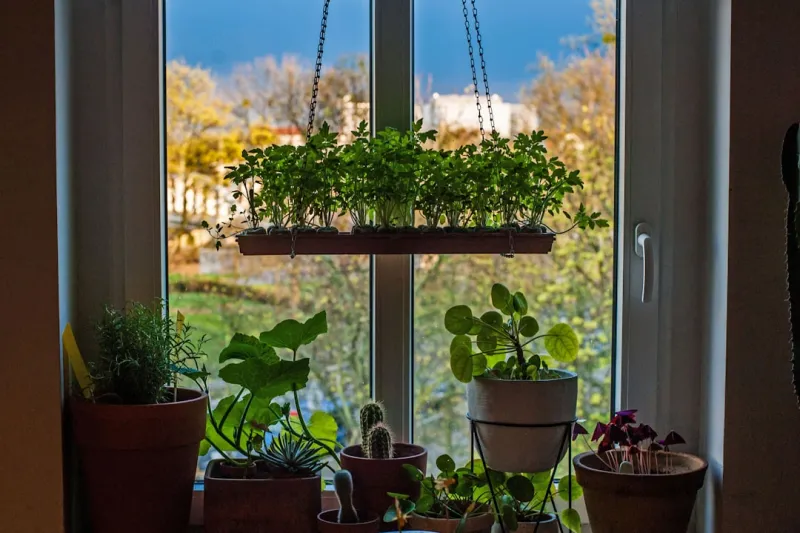
When I first nudged a reclaimed wooden pallet into the sun‑drenched corner of my backyard, I never imagined it would become the centerpiece of my daily routine, yet today the scent of rosemary and the gentle hum of bees accompany my morning coffee as faithfully as the click of a mouse does for many office‑bound souls; this humble “garden desk” has transformed a patch of soil into a thriving hub of creativity, where the boundary between work and wonder blurs into a seamless, inspiring continuum. The shift was not instantaneous—weeks of trial and error, adjusting the height of a vintage drafting table, wrestling with weather‑proof laptop sleeves, and learning the delicate art of balancing a potted lemon tree beside my keyboard—yet each incremental tweak reinforced a deeper truth: the outdoors can be as productive as any glass‑tower cubicle, provided we honor both ergonomics and ecology with equal reverence. In this moment, I find myself echoing the sentiment that green workspaces are not a fleeting fad but a fundamental re‑imagining of how we inhabit our homes, a belief that has guided my writing, my planting, and even my conversations with neighbors who now ask, “When can I join you for a meeting among the marigolds?”
Why Garden Desks Are Blooming in Modern Homes
One of the most compelling arguments for the garden desk phenomenon lies in its capacity to recalibrate our circadian rhythms, allowing natural light to dictate focus cycles rather than artificial fluorescents that often sap energy and strain eyes; research shows that exposure to sunrise‑filtered photons can boost serotonin levels by up to 30 %, a statistic that resonates deeply with anyone who has felt the post‑lunch slump dissolve after a brief stroll among basil and thyme. Moreover, the tactile feedback of soil underfoot—a subtle reminder that we are rooted in something larger than spreadsheets—creates a grounding effect that psychologists link to reduced anxiety and heightened decision‑making clarity, turning the act of typing into a meditative practice rather than a mechanical chore. As I share my experiences on the blog, I often reference my guide to the garden desk revolution, where I detail how the rhythmic whisper of leaves can become a soundtrack for deep work, fostering a state of flow that rivals any high‑tech office environment.
Beyond the physiological benefits, there is a cultural narrative blossoming around sustainability that positions the garden desk as a manifesto of responsible living; each reclaimed pallet, each upcycled metal frame, each hand‑woven bamboo mat tells a story of waste diverted and resources cherished, inviting homeowners to partake in a circular economy that feels both personal and profound. When clients ask me why I prefer a moss‑lined tabletop over a sleek marble slab, I point to the subtle micro‑climate created by the living substrate, which naturally regulates humidity, filters dust, and even offers a quiet habitat for beneficial insects—an ecosystem that quietly works in tandem with human productivity, embodying the principle that “we are not separate from nature, we are part of it.” This ethos is echoed in the growing community of gardeners‑turned‑entrepreneurs who champion the garden desk as a symbol of resilience, turning a simple piece of furniture into a beacon of ecological mindfulness that resonates across social media feeds and neighborhood gatherings alike.
Financially, the garden desk proves its worth by delivering a high return on investment through both tangible savings and intangible gains; the initial outlay for reclaimed materials often pales in comparison to the monthly rent of a co‑working space, while the added value of a verdant backyard oasis can boost property resale potential by up to 12 %, according to recent real‑estate analyses. Additionally, the reduction in commuting costs, lower utility bills due to natural lighting, and the mental health dividends of daily exposure to greenery translate into measurable improvements in overall quality of life, a metric that many traditional offices struggle to quantify. As I weave these insights into my articles, I cannot help but feel a surge of optimism that the garden desk is not merely a decorative trend but a strategic investment in personal well‑being and fiscal prudence, a dual benefit that aligns perfectly with the modern homeowner’s desire for both beauty and practicality.
Designing Your Green Workspace
When embarking on the creation of a garden desk, the first step is to conduct a site‑specific audit that evaluates sunlight patterns, soil composition, and wind exposure; tools such as a simple sunlight tracker or a handheld anemometer can reveal hidden micro‑climates that will dictate plant selection, desk orientation, and even the type of protective canopy needed to shield delicate electronics from unexpected summer showers. I often recommend starting with a modular approach: a sturdy, weather‑treated work surface perched on adjustable legs, accompanied by movable planters that can be rearranged as seasons shift, allowing the space to evolve organically rather than remain static—a philosophy I explore further in Garden Desks: How Rose DesRochers Is Redefining Home & Garden Living, where the concept of “design fluidity” becomes a guiding principle for sustainable aesthetics. By integrating low‑maintenance, nitrogen‑fixing plants such as clover or beans, you not only enrich the soil but also create a living air‑purifier that subtly improves indoor air quality, turning the garden desk into a self‑sustaining micro‑ecosystem that feeds back into your health and productivity.
Ergonomics, often overlooked in outdoor setups, demand equal attention; selecting a chair that offers lumbar support yet resists moisture, installing a shade sail that reduces glare without blocking essential UV light, and positioning your monitor at eye level to prevent neck strain are all critical considerations that ensure the garden desk remains a comfortable, health‑forward workstation. I advocate for the inclusion of natural textures—think reclaimed rope for cable management, cork mouse pads, and bamboo keyboard trays—that not only complement the aesthetic but also reduce static buildup, a subtle yet important factor when operating sensitive electronics in humid environments. Furthermore, integrating smart, solar‑powered LED strips can extend usable hours into the evening, providing a gentle luminescence that mimics dusk and encourages a natural wind‑down routine, reinforcing the rhythm of work and rest that the garden desk so elegantly supports.
Finally, personalization adds the final flourish that transforms a functional area into a sanctuary; incorporating family heirlooms, hand‑painted garden markers, or even a small water feature can anchor emotional resonance, turning the space into a narrative canvas that reflects your unique story. I love to place a weather‑proof journal beside my laptop, allowing me to sketch ideas or jot down observations of pollinator activity, a habit that bridges creative thinking with scientific curiosity and often sparks innovative solutions to professional challenges. The act of nurturing plants—watering, pruning, harvesting—creates a rhythm of responsibility that mirrors project management cycles, reinforcing discipline while offering moments of pause; this symbiotic relationship between caretaker and creation lies at the heart of why the garden desk continues to captivate a growing audience seeking harmony between ambition and serenity.
The Future of Work From the Soil
Looking ahead, the garden desk is poised to become a cornerstone of the emerging “remote‑first” work culture, where companies increasingly recognize that employee performance thrives when individuals can design environments that align with their personal well‑being; forward‑thinking organizations are already experimenting with stipend programs that subsidize the installation of green workstations, acknowledging that a healthier, happier workforce translates into lower turnover and higher innovation metrics. As climate change reshapes urban landscapes, the garden desk offers a resilient alternative to conventional office buildings, allowing work to migrate to adaptable, low‑impact spaces that can be reconfigured after extreme weather events, thereby ensuring continuity of operations while reducing carbon footprints—a strategic advantage that forward‑looking CEOs cannot afford to ignore. In my upcoming webinars, I plan to delve deeper into case studies where small startups have leveraged garden desks to attract top talent, illustrating how the blend of sustainability and productivity can become a competitive differentiator in talent acquisition.
Education and community outreach will also play pivotal roles in normalizing the garden desk as a mainstream work solution; local workshops that teach DIY desk construction, plant selection, and ergonomic setup can empower homeowners to take ownership of their work environments, fostering a sense of agency that extends beyond the confines of a traditional office hierarchy. Partnerships with horticultural societies and tech incubators are already sprouting, creating ecosystems where knowledge about soil health meets cutting‑edge collaboration tools, a synergy that promises to accelerate the diffusion of green workspaces across suburbs, city rooftops, and even rural co‑ops. By championing these interdisciplinary collaborations, I aim to nurture a generation of professionals who view their desks not as isolated islands of productivity but as vibrant nodes within a broader ecological network, reinforcing the mantra that thriving work environments are rooted in thriving ecosystems.
In conclusion, the garden desk is more than a stylish accessory; it is a transformative paradigm that merges the tactile joy of gardening with the strategic demands of modern work, delivering measurable benefits in health, finances, and environmental stewardship. As we collectively reimagine the places where ideas are born and nurtured, I invite you to step outside, feel the earth beneath your feet, and consider how a simple piece of reclaimed wood could become the catalyst for your next breakthrough; after all, when nature and technology dance together in harmonious rhythm, the possibilities for growth—both personal and professional—are truly limitless.

When it comes to the world of blogging and writing, Rose DesRochers is a name that stands out. Her passion for creating quality content and connecting with her audience has made her a trusted voice in the industry. Aside from her skills as a writer and blogger, Rose is also known for her compassionate nature.
Related Posts

Why the No‑Mow Lawn Is the Next Big Thing for Sustainable Homeowners
A no‑mow lawn swaps high‑maintenance grass for resilient groundcovers, offering eco‑friendly, ... Read More

Transform Your Yard with a DIY Rain Garden: A Sustainable Beauty Boost
Discover step‑by‑step guidance to build a DIY rain garden that captures stormwater, enhances cur... Read More
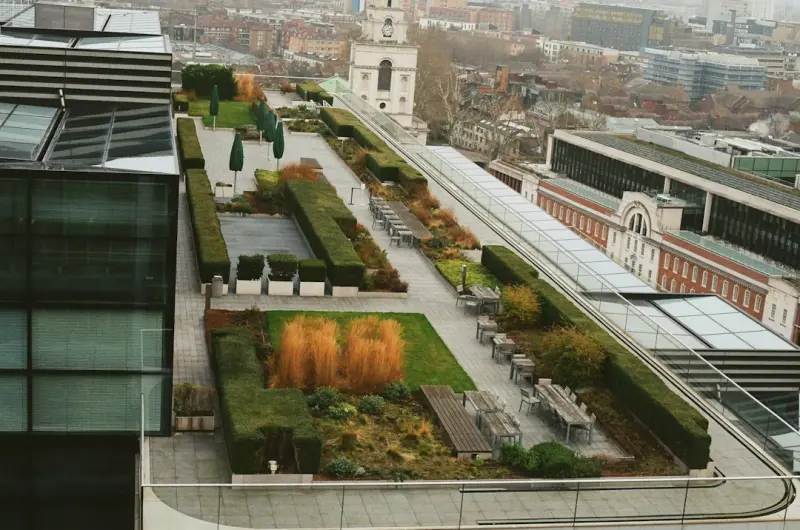
Rooftop Rain Gardens: Turning City Roofs into Lush, Sustainable Sanctuaries
Discover how rooftop rain gardens transform unused roof space into vibrant, water‑wise ecosystems ... Read More
Top Posts

When AI Becomes Your Strategic Thought Partner
Discover the shift from viewing AI as a mere tool to treating it as a strategic thought partner, with practical steps for decision hygiene, creative collaborati...Read More

Narrative Journaling: A Hidden Weapon for Mental Strength in the Modern Workplace
Narrative journaling transforms daily work events into empowering stories, helping professionals reframe challenges, build resilience, and foster a culture of m...Read More

Flavor Trails: Mapping Meals to Transform Your Travels
Explore the practice of culinary cartography—mapping dishes, locations, and stories—to enrich travel experiences, foster sustainable eating, and build lasti...Read More

Finding Flow: Everyday Rhythm for Better Health
Explore the science of internal rhythms and learn practical strategies to align your daily cadence with your body’s natural clock, enhancing energy, focus, an...Read More
0 Comments
Post Comment
You will need to Login or Register to comment on this post!