
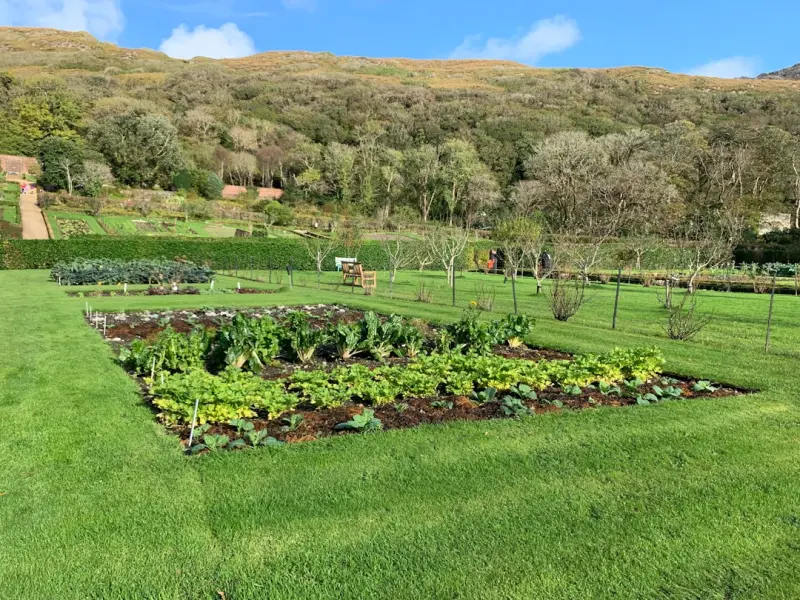
Why Edible Landscaping Is the Next Big Thing in Home Gardens
When I first stepped onto a friend’s yard and saw bright basil spilling over a stone pathway, I felt a spark that’s been hard to shake. It wasn’t just a garden; it was a living pantry. That moment made me realize that the traditional split between ornamental planting and food production is a false dichotomy. Today, more homeowners are blending aesthetics and nutrition, creating spaces that look as good as they taste. This movement—edible landscaping—offers a fresh, sustainable answer to the desire for beautiful homes while cutting food miles and boosting local biodiversity.
The Core Principles of Edible Landscaping
Before you dive in, it helps to frame the concept with three guiding principles:
- Design First, Plant Second – Treat your garden like a canvas. Choose shapes, textures, and colors that work together before you think about the species.
- Layered Functionality – Every plant should serve at least two roles: visual appeal and edible value. Think of a fruit tree that shades a lawn or a flowering herb that attracts pollinators.
- Local Climate Compatibility – Selecting varieties that thrive in your micro‑climate reduces water use, pesticide dependence, and maintenance time.
By following these pillars, you’ll create a garden that’s resilient, low‑maintenance, and—most importantly—delicious.
Step‑by‑Step Blueprint for a Food‑Forward Yard
1. Map Your Space and Define Zones
Grab a piece of graph paper or a digital floor‑plan app and sketch the perimeter of your property. Identify high‑sunlight areas, shade pockets, wind corridors, and water‑drainage spots. Then, allocate zones based on function:
- Showcase Zone – Front yard or patio where curb appeal matters most. Ideal for showy fruit trees, ornamental berries, and vibrant herbs.
- Harvest Zone – Slightly more private spots like side yards or rear patios. Perfect for high‑yield vegetables, root crops, and perennial edibles.
- Wildlife Zone – Edges and less‑trafficked corners where you can let native plants flourish, supporting pollinators and beneficial insects.
2. Choose a Palette of Edible Plants
Think of your garden as a color wheel. Pair contrasting leaf shapes, leaf colors, and flower hues to keep the space dynamic. Here are some crowd‑pleasers that work in most temperate climates:
- Fruit Trees: Dwarf apple, fig, and peach varieties double as structural focal points.
- Berry Shrubs: Blueberries, currants, and gooseberries provide seasonal color and a splash of sweetness.
- Herbs: Lavender, rosemary, and thyme not only smell divine but also attract bees.
- Edible Flowers: Nasturtiums, calendula, and violas add pops of orange, yellow, and purple while being salad‑ready.
- Leafy Greens: Swiss chard and kale offer both texture and a backdrop of deep green.
When you’re unsure, start small and consult the basics of backyard gardening for planting schedules and soil prep tips.
3. Integrate Structures for Visual Interest
Edible landscaping isn’t just about plants; it’s also about the built environment. Incorporate trellises, raised beds, and reclaimed materials to create layers:
- Trellised Vines – Train grapes or kiwi on an arbor to frame a walkway.
- Raised Beds – Use old wooden pallets or corrugated metal to define vegetable patches while keeping soil loose.
- Living Walls – Install a vertical garden of herbs on a sunny kitchen wall for fresh seasoning at arm’s reach.
4. Soil Health Is the Silent Hero
Invest in soil biology before planting. Mix in compost, worm castings, and a dash of mycorrhizal inoculant. Healthy soil retains moisture, suppresses disease, and boosts nutrient uptake—meaning your edibles will be more flavorful and your garden will need less watering.
5. Water Wisely
Consider drip irrigation or soaker hoses that deliver water directly to the root zone, minimizing evaporation. Pair this with a rain barrel or two to capture runoff. The goal is a garden that can survive a dry spell with minimal supplemental irrigation.
6. Seasonal Rotation and Perennial Planning
While many fruit trees and shrubs are perennials, annual vegetables need a rotation plan to avoid soil fatigue. Use a simple three‑year rotation: leafy greens → root crops → fruiting vegetables, then repeat. This keeps the soil balanced and reduces pest buildup.
Benefits That Extend Beyond the Plate
Edible landscaping delivers a suite of advantages that resonate with modern homeowners:
- Reduced Grocery Bills – A modest orchard can supply a family with dozens of apples or pears each year.
- Lower Carbon Footprint – Growing food at home eliminates transportation emissions and packaging waste.
- Improved Mental Health – Tending to a garden has been shown to lower cortisol levels and boost mood.
- Enhanced Property Value – A thoughtfully designed garden can increase curb appeal, attracting potential buyers.
- Educational Opportunities – Children learn biology, responsibility, and nutrition right in the backyard.
Common Pitfalls and How to Dodge Them
Even seasoned gardeners can stumble when blending aesthetics with food production. Here’s how to stay on track:
- Overcrowding – Resist the urge to pack every inch with a plant. Give each species room to grow and to be appreciated visually.
- Ignoring Soil pH – Some edibles (like blueberries) require acidic soil. Test your soil and amend accordingly.
- Choosing Invasive Varieties – Opt for cultivars that are well‑behaved in your region; invasive vines can overrun ornamental beds.
- Neglecting Pest Management – Integrate companion planting and encourage beneficial insects rather than relying solely on chemicals.
- Forgetting the Harvest – Plant with a realistic harvest timeline. A garden that yields too little can feel discouraging.
Bringing the Whole Family Into the Mix
One of the most rewarding aspects of edible landscaping is its ability to become a family project. Assign “plant stewardship” roles: kids can water herbs, teenagers can prune fruit trees, and adults can handle soil amendments. When everyone has a stake, the garden thrives socially as well as horticulturally.
Tech‑Savvy Tools to Boost Your Edible Garden
While the essence of edible landscaping is rooted in nature, a sprinkle of technology can make management a breeze. Moisture sensors that send alerts to your phone, solar‑powered garden lights, and QR‑coded plant tags that link to care instructions are all low‑cost upgrades that enhance the experience. If you love exploring new ideas, check out this guide to micro‑adventures for inspiration on turning a weekend garden walk into an educational trek.
Real‑World Example: A Suburban Backyard Turned Food Forest
Let’s walk through a case study. A suburban family of four transformed a 1,500‑square‑foot lot with the following layout:
- Front Yard – A dwarf apple tree flanked by lavender and ornamental kale, providing spring blossoms and summer foliage.
- Side Alley – A trellis of kiwi vines intertwined with nasturtium, delivering a cascade of yellow flowers and a tasty fruit harvest.
- Backyard – Raised beds of heirloom tomatoes, beans, and carrots, bordered by rosemary and sage for scent and pest deterrence.
- Patio – A vertical herb garden featuring mint, thyme, and basil, within arm’s reach of the outdoor kitchen.
After two growing seasons, the family reported a 30% reduction in grocery expenses, a noticeable uptick in family meals featuring home‑grown produce, and a new appreciation for seasonal rhythms.
Getting Started: Your First 30‑Day Action Plan
- Week 1 – Assessment: Sketch your yard, note sun exposure, and test soil pH.
- Week 2 – Design: Choose a color palette and map out zones. Pick three focal edible plants.
- Week 3 – Soil Prep: Amend soil with compost, adjust pH, and install a drip system.
- Week 4 – Planting: Install structures, plant trees and shrubs, and sow seeds in raised beds.
Stick to this timeline, and you’ll have a functional, beautiful edible landscape ready to deliver its first harvest in the coming months.
Final Thoughts
Edible landscaping isn’t a fleeting trend; it’s a shift toward living more deliberately with the earth beneath our feet. By weaving food production into the visual fabric of our homes, we reclaim a piece of autonomy, reduce our environmental impact, and create spaces that feed both the body and the soul. If you’ve been waiting for a reason to turn your garden into a kitchen, the answer is here: start small, think big, and let your yard become the most delicious piece of décor you own.

Ryan Stuart is a seasoned freelance features writer, editor, and professional photographer with a passion for exploring the world and capturing its beauty through words and images.
Related Posts
Seasonal Outdoor Living Room: A Flexible Garden Sanctuary
Learn how to design a garden that functions like a living room, with modular foundations, seasonal p... Read More
Rain Gardens: Turning Stormwater Into a Backyard Bonus
Discover the step‑by‑step process to create a rain garden that transforms runoff into a vibrant,... Read More

The Art of Curating a Sensory Garden: A Homeowner’s Guide to Sight, Sound, and Smell
A sensory garden blends sight, sound, scent, and texture into a calming, inspiring outdoor (or indoo... Read More
Top Posts

Why Garden Desks Are Redefining Modern Employment
Explore the rise of garden desks, how they boost focus and well‑being, and why they’re becoming essential tools for modern employment....Read More

Playful Pauses: Structured Daydreaming for Remote Mental Wellness
Learn to integrate short, purposeful daydream sessions into your remote routine, using sound, breathing, and simple cues to boost mental health, creativity, and...Read More

AI‑Powered Accessibility: The Next Competitive Edge
AI isn’t just for analytics and chatbots—it can dramatically improve accessibility, turning friction into a competitive advantage. Learn practical steps, RO...Read More

Illuminating Health: How Intelligent Lighting Transforms Well‑Being at Home and Work
Explore the science behind circadian lighting and learn practical, tech‑savvy ways to use smart LEDs for better mood, sharper focus, and deeper sleep in any e...Read More
0 Comments
Post Comment
You will need to Login or Register to comment on this post!