

The Rise of Outdoor Workspaces
In the past few years the traditional office cubicle has quietly surrendered its throne to a greener, more breathable alternative that many still regard as a novelty, yet I have watched it evolve into a cornerstone of modern employment, reshaping how we define productivity, focus, and well‑being; this shift is not merely about changing scenery, but about re‑engineering the very psychology of work, allowing natural light and fresh air to replace stagnant fluorescent lighting that once dominated our daily grind. The momentum behind this movement is fueled by a growing body of research that links exposure to nature with reduced stress hormones, improved cognitive function, and heightened creativity, creating a compelling case for employers to reconsider the static four‑walls model that has persisted for decades; companies that champion flexible, outdoor‑friendly policies are reporting lower turnover rates and higher employee satisfaction scores, proving that the garden desk is far more than a decorative trend. As I stepped out onto my own backyard oasis, I felt an immediate lift in morale, a sense of clarity that had been elusive in my cramped home office, and I realized that this simple act of moving my laptop onto a weather‑proof table could become a catalyst for deeper professional growth.
Garden desks, at their core, are purpose‑built stations that marry durable, weather‑resistant materials with ergonomic design, allowing laptops, notebooks, and even conference calls to happen under a canopy of leaves rather than a ceiling of corporate monotony; the construction typically involves reclaimed wood, powder‑coated steel, and integrated shade solutions that protect equipment while fostering an inviting atmosphere, and the result is a workspace that feels both intentional and liberating. The subtle scent of soil and the gentle rustle of foliage create a multisensory backdrop that enhances concentration, while the ability to step away from a screen and tend to a plant or simply breathe deeply injects micro‑breaks that boost mental stamina, a benefit that is especially valuable in a world where burnout has become an occupational hazard. Moreover, the flexibility of a garden desk—its ease of relocation, its compatibility with both solo freelancers and collaborative teams—means that businesses can adapt quickly to hybrid work models without incurring the overhead of costly office renovations, turning outdoor space into a strategic asset rather than an afterthought.
From a personal perspective, the decision to transition my daily workflow from a cramped bedroom desk to a sun‑lit garden station was initially driven by a restless yearning for change, but it quickly unfolded into a profound professional revelation; I began each morning with a ritual of opening the shutters, sipping coffee while the dew glistened on nearby roses, and feeling the subtle shift in my mindset as the boundaries between work and nature blurred. This routine not only heightened my focus but also sparked spontaneous moments of inspiration that translated into more innovative solutions for my clients, a phenomenon I attribute to the restorative power of natural environments that stimulate divergent thinking and reduce the mental fatigue associated with endless indoor confinement. As I shared this transformation with colleagues, the conversation turned to how we might collectively embrace outdoor workspaces, prompting a series of experiments that ranged from pop‑up patio meetings to full‑scale garden desk deployments across our remote team, each iteration reinforcing the notion that the future of employment is increasingly rooted—quite literally—in the earth.
My Garden Desk Transformation
When I first read the piece titled Garden Desks: The Secret Weapon for Modern Employment, I was intrigued but skeptical, wondering if a piece of furniture could truly wield such influence over career trajectories; the article painted a vivid picture of professionals harnessing sunlight, breezes, and the calming presence of greenery to supercharge their output, and it prompted me to experiment with my own outdoor nook, equipping it with a sturdy, reclaimed‑pine tabletop, adjustable chair, and a discreet power strip concealed beneath a weather‑proof canopy. Within weeks, I observed a measurable uptick in my project completion rates, a reduction in the number of mid‑day coffee cravings, and an unexpected surge in collaborative brainstorming sessions that took place over the garden fence, where teammates would join me for “air‑powered” stand‑up meetings, a practice that blended informal social interaction with focused agenda‑driven dialogue. The experience solidified my belief that a garden desk does more than provide a scenic backdrop—it cultivates a mindset of openness, adaptability, and resilience, qualities that are indispensable in today’s rapidly evolving employment landscape.
Beyond personal productivity, the garden desk has become a tangible statement of my commitment to sustainable work practices, allowing me to showcase how environmental stewardship can coexist with professional excellence; I source locally grown herbs to brew tea at my desk, use solar‑powered LED lighting for evening tasks, and recycle rainwater to water the surrounding planter beds, turning the workspace into a living demonstration of circular economy principles that I can proudly share with clients seeking greener solutions. This integration of eco‑friendly habits not only reduces my carbon footprint but also resonates with a growing demographic of employees and employers who prioritize corporate social responsibility, creating a compelling narrative that aligns personal values with brand identity and opens doors to new business opportunities focused on sustainability consulting. In fact, the synergy between my garden desk setup and my professional brand has attracted speaking invitations at industry conferences, where I now discuss the tangible ROI of outdoor work environments, further amplifying the impact of this modest yet transformative investment.
Of course, the journey has not been without its challenges; inclement weather, occasional insects, and the need for reliable Wi‑Fi coverage required creative problem‑solving, prompting me to install a compact, weather‑sealed router enclosure and invest in a high‑quality outdoor mouse pad that repels moisture, ensuring seamless connectivity regardless of the forecast; these adaptations have taught me that resilience is built not just in mindset but in the infrastructure that supports it, reinforcing the broader lesson that modern employment demands flexibility and proactive planning. To share these insights and help others navigate similar hurdles, I referenced the guide Cultivating Success: How a Garden Desk Transforms Modern Employment, which outlines practical steps for integrating outdoor workspaces into daily routines, from selecting the right materials to establishing backup power solutions, and I have since mentored several peers through the process, watching them reap comparable benefits in focus and morale. The collective feedback has affirmed that while the garden desk may require an upfront investment of time and resources, the long‑term dividends—increased engagement, reduced burnout, and a refreshed corporate culture—are well worth the effort.
What the Future Holds
Looking ahead, I envision garden desks evolving from isolated personal sanctuaries into collaborative community hubs that blend coworking concepts with horticultural design, creating shared outdoor laboratories where ideas can germinate alongside seedlings; developers are already experimenting with modular pod structures that can be reconfigured for team meetings, workshops, or solitary deep‑work sessions, all while maintaining a seamless connection to digital ecosystems through mesh networks and edge‑computing devices. This convergence of technology, nature, and flexible work design promises to redefine office real estate, shifting the emphasis from square footage to ecological footprint, and it aligns perfectly with a workforce that values autonomy, wellness, and meaningful interaction with the environment. As organizations begin to recognize the strategic advantage of such spaces, we may see policy shifts that incentivize employees to incorporate outdoor workstations into their home offices, potentially offering tax credits or equipment subsidies that lower the barrier to entry for a broader demographic.
In tandem with these structural changes, the cultural narrative around work is also poised to transform, moving away from the glorification of endless screen time toward a balanced rhythm that honors the body’s natural cycles, a shift that garden desks embody through their inherent invitation to pause, breathe, and reconnect with the earth; studies are already indicating that regular exposure to natural light can regulate circadian rhythms, improve sleep quality, and boost immune function, all of which translate into higher employee retention and lower healthcare costs for companies. By championing outdoor workspaces, leaders signal a commitment to holistic well‑being, fostering loyalty and attracting top talent who seek environments that nurture both professional growth and personal health. This paradigm shift, I believe, will become a defining characteristic of forward‑thinking organizations, positioning them as pioneers in a new era where employment is as much about thriving in harmony with nature as it is about meeting quarterly targets.
Finally, I encourage every professional—whether a freelancer, a corporate executive, or an aspiring entrepreneur—to consider the garden desk not merely as a piece of furniture, but as a catalyst for a more resilient, sustainable, and fulfilling career; the modest act of stepping outside to work can unlock creativity, improve mental clarity, and reinforce a sense of agency that is often lost in the confines of traditional office walls. By embracing this simple yet powerful change, we collectively contribute to a workplace renaissance that values balance, ingenuity, and ecological stewardship, laying the groundwork for generations to come. If you’re curious about how to start, explore resources like Why My Garden Desk Is the Secret Weapon for Modern Employment, and take the first step toward cultivating your own outdoor success story.

When it comes to the world of blogging and writing, Rose DesRochers is a name that stands out. Her passion for creating quality content and connecting with her audience has made her a trusted voice in the industry. Aside from her skills as a writer and blogger, Rose is also known for her compassionate nature.
Related Posts

Reinventing the Workday: Structured “Think Time” as a Competitive Advantage
Discover why protecting uninterrupted “think time” on every employee’s calendar is the secret ... Read More
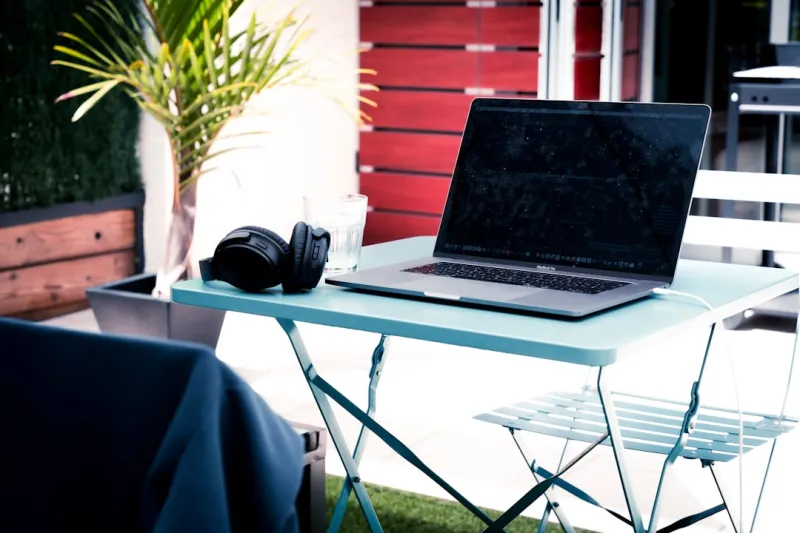
Redefining Employment: Why Outdoor Workspaces Are the New Standard
Discover how shifting from cubicles to garden desks transforms work culture, enhances mental health,... Read More

Why a Structured Role Marketplace Boosts Employee Agency
A role marketplace transforms static org charts into fluid talent ecosystems, giving employees agenc... Read More
Top Posts
From Balcony to Bounty: Building a Modular Vertical Garden That Grows With You
Learn step‑by‑step how to create a scalable vertical garden using reclaimed materials, smart irrigation, and seasonal planting tricks—perfect for small‑...Read More
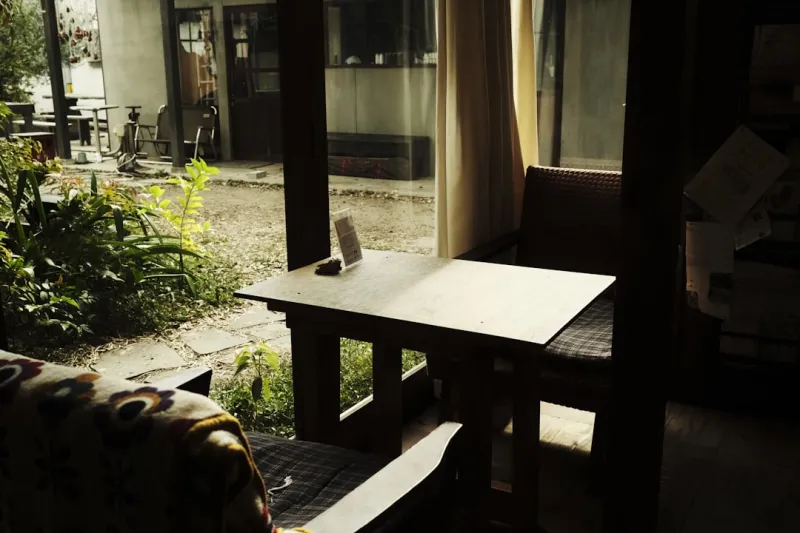
How My Garden Desk Became the Ultimate Home & Garden Upgrade in 2026
From sunrise brainstorming to evening sunsets, my garden desk transformed work and wellness, proving that a simple outdoor setup can be the secret weapon for a ...Read More

Unlocking the Skin Microbiome: A New Frontier in Personal Care
A deep dive into the skin microbiome reveals how nurturing our skin’s native microbes can transform personal care, offering science‑backed routines, wearabl...Read More

Nano‑Rituals: Quick Personal Care Hacks for the Modern Desk‑Jockey
Learn five sub‑five‑minute personal‑care tricks—cool‑splash, micro‑massage, scent‑shift, hand hydration, and posture‑reset—that recharge your ...Read More
0 Comments
Post Comment
You will need to Login or Register to comment on this post!