
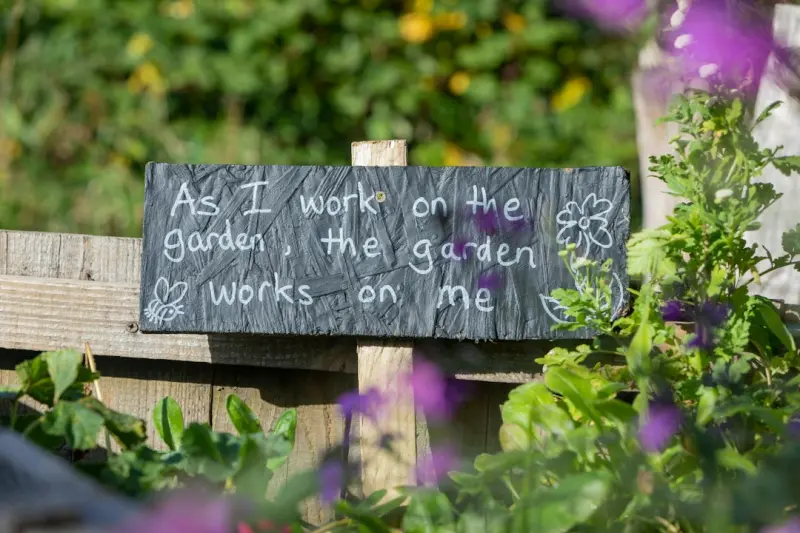
Why a Sensory Garden Might Be Your Next Home Upgrade
When most of us think about garden projects, the first images that surface are rows of tomatoes, a tidy lawn, or maybe a string of solar‑powered lights. Those are all wonderful, but they barely scratch the surface of what an outdoor (or indoor) space can offer. A sensory garden invites you to design an environment that speaks to your eyes, ears, nose, and even your sense of touch, turning a simple patch of earth into a living, breathing extension of your well‑being. It’s not about chasing the latest Instagram aesthetic; it’s about deliberately curating experiences that calm, stimulate, and inspire you day after day.
The Science Behind Multi‑Sensory Spaces
Neuroscientists have long known that the brain processes visual, auditory, olfactory, and tactile information in parallel pathways. When these pathways are engaged simultaneously, the result is a heightened state of presence often described as “flow.” In a well‑designed sensory garden, the soft rustle of grasses, the gentle fragrance of lavender, the dappled sunlight through a trellis, and the textured feel of stone pathways all work together to anchor you in the moment, reducing stress and sharpening focus. Think of it as a natural mindfulness toolkit that you can step into without any apps or timers.
Starting With the Senses: A Step‑by‑Step Blueprint
- Sight: Choose a palette of colors that evolve with the seasons. Early‑spring crocuses, summer marigolds, autumnal mums, and winter evergreen foliage keep the visual interest alive year‑round.
- Sound: Water features, wind chimes, or even a small field of grasses that sway in the breeze can create a gentle, soothing soundtrack.
- Smell: Plant aromatic herbs (basil, rosemary), fragrant flowers (jasmine, gardenia), and scented shrubs (daphne, sweet pea) strategically near pathways for a subtle perfume that greets you with each step.
- Touch: Incorporate varied textures—smooth river stones, rough bark, soft moss, and even a wooden bench with a tactile grain. Seasonal changes in texture keep the garden feeling fresh.
By mapping each sense to a specific garden element, you avoid the “cluttered” feeling that can arise when you try to do too much at once. Simplicity is the secret sauce.
Choosing Plants That Play Well Together
One of the most rewarding parts of a sensory garden is the plant selection. While it’s tempting to fill every square foot with showy blooms, consider the psychological boost of greenery that comes from a thoughtful mix. Pair low‑maintenance succulents with fragrant perennials, and don’t forget a few edible herbs—because tasting fresh rosemary right from the garden is an instant mood‑lifter. Look for plants that bloom at different times, ensuring that there’s always something in flower, and therefore something for the eyes and nose to enjoy.
Integrating Water Without a Pond
Not everyone has the space—or the budget—for a full‑scale pond, but the sound of water is a proven stress reducer. A simple rain chain that guides runoff from a gutter into a shallow basin creates a melodic trickle. If you’re more vertically inclined, a tiered wall fountain made from reclaimed brick can double as a decorative backdrop while providing the calming “shhh” that many meditation apps try to emulate.
Seasonal Soundscapes: From Wind to Birds
While wind chimes are a classic, you can also invite wildlife to become part of the acoustic design. Planting native berry shrubs attracts songbirds, whose morning choruses become an organic alarm clock. In the fall, consider installing a hollow log that amplifies the gentle patter of leaves—a subtle, natural percussion that signals the season’s transition.
Lighting for Mood, Not Just Visibility
Lighting is often an afterthought in garden planning, but it can dramatically shape the sensory experience after dusk. Warm, low‑intensity LED strips hidden behind a trellis create a soft glow that mimics twilight, encouraging relaxation. For a more dynamic feel, incorporate solar‑powered lanterns that flicker like candlelight, perfect for intimate evening gatherings.
Texture Trails: Walking Barefoot Safely
Walking barefoot on natural surfaces stimulates pressure points in the feet, grounding you physically and mentally. Design a “sensory pathway” with alternating sections of smooth river stones, soft sand, and fine mulch. Ensure each section is level and free of sharp objects, and you’ll have a safe, therapeutic route that invites you to slow down and feel each step.
Bringing the Garden Indoors
Urban dwellers may not have a sprawling yard, but the principles of a sensory garden translate beautifully to balcony or indoor settings. Use a narrow shelving unit as a vertical garden, stacking aromatic herbs, trailing ferns, and small flowering pots. Pair this with a tabletop water fountain and a small speaker that plays nature sounds. The result is a compact sanctuary that you can access even on a rainy day.
Maintenance Mindset: Minimalism Meets Mindfulness
It’s easy to let a garden become a chore, especially when you’re aiming for sensory richness. To keep maintenance low, select drought‑tolerant species, use mulch generously, and set up a drip‑irrigation system that can be automated. Schedule a weekly “sensory check‑in” where you simply stroll through, prune any dead blooms, and take a moment to breathe in the scents you’ve cultivated. This routine reinforces the garden’s purpose as a place of calm rather than a to‑do list item.
Connecting the Garden to Everyday Life
When you design a sensory garden, think beyond the garden gate. How can the experiences you create there spill over into your home life? A handful of fresh herbs harvested for dinner, a calming scent that follows you into the kitchen, or a piece of garden‑inspired artwork that reminds you of the rustling grasses can all serve as anchors throughout the day. Even a simple habit—like pausing at the garden bench for a minute of deep breathing before tackling a work task—creates a powerful feedback loop of calm and focus.
Future‑Proofing Your Sensory Garden
As climate patterns shift, the resilience of your garden becomes a priority. Choose native species that are adapted to local weather extremes, and consider installing a rain barrel to capture stormwater for irrigation. If you live in a region with harsh winters, plan for seasonal containers that can be moved indoors, ensuring that the sensory experience doesn’t go dormant during the cold months.
Resources to Deepen Your Journey
For those who love to dive deeper, there are plenty of online guides and community forums where you can swap plant swaps, design tips, and even recipes that feature garden‑fresh ingredients. If you’re curious about how scent can influence mood, the forest bathing movement offers fascinating research on the therapeutic power of natural aromas and sounds—insights that translate directly to a backyard sanctuary.
Final Thought: Your Garden, Your Symphony
Every garden tells a story, but a sensory garden composes a symphony. By intentionally weaving together sight, sound, smell, and touch, you create a living space that not only beautifies your property but also nurtures your mind and body. It’s an investment that pays dividends in moments of peace, bursts of inspiration, and a deeper connection to the natural world—right at your doorstep.

Mei Chen is a dynamic professional who brings a unique blend of skills to Blogging Fusion. As a key contributor to the Blogging Fusion platform, she leverages her writing expertise to create engaging content that resonates with our audience.
Related Posts
From My Garden Desk: Jimmy Damon’s Blueprint for the New Era of Employment
Jimmy Damon reveals the secrets behind turning a garden into a high‑productivity, cozy home office... Read More

Cultivating Creativity: How a Garden Desk Transforms Home Life
Explore the journey of turning your backyard into a productivity oasis with a garden desk, blending ... Read More

Scent‑Driven Garden Design: Crafting Aromatic Spaces for Home Wellness
Explore the art of designing a fragrant garden that nurtures mental health, supports pollinators, an... Read More
Top Posts

Edible Landscaping: Turning Your Garden Into a Living Table
Learn how to design a garden that looks as stunning as it tastes, with practical tips on plant selection, seasonal care, sustainable practices, and integrating ...Read More

Micro‑Movements at Your Desk: Tiny Actions, Big Health Gains
Mei Chen shares a practical guide to integrating micro‑movements into a busy workday, explaining the science, offering easy exercises, and linking habit‑for...Read More

The Art of Invisible Storage: Clever Ways to Hide Clutter in Every Room
Learn how to create a calm, clutter‑free home using invisible storage techniques. From pull‑out pantry panels to hidden bathroom cabinets, this guide shows ...Read More

When AI Becomes Your Personal Knowledge Concierge
Discover the emerging role of AI as a personal knowledge concierge that curates, synthesizes, and delivers insights exactly when you need them, turning data ove...Read More
0 Comments
Post Comment
You will need to Login or Register to comment on this post!