
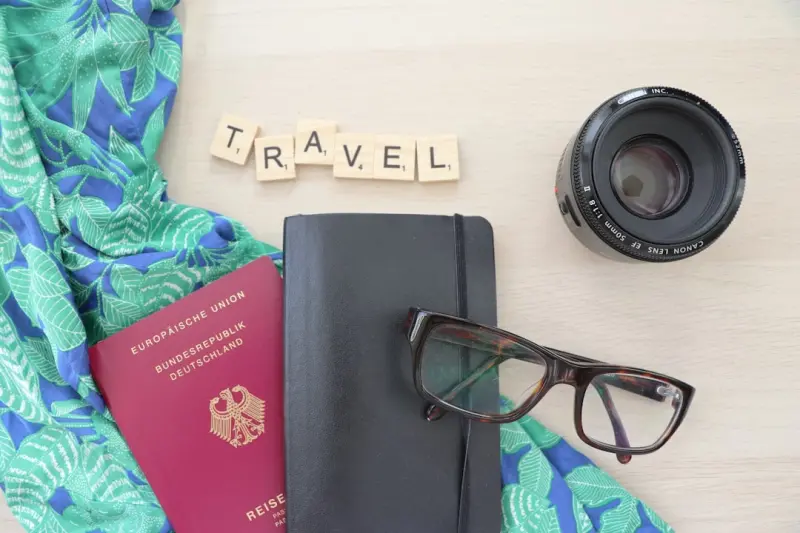
Why Travel Should Be Your Personal Language Lab
Every time I step off a plane, the rush of unfamiliar sounds, signs, and greetings feels like an invitation to a spontaneous classroom without desks or exams, and I’ve learned to treat that invitation seriously. Instead of relying on a pre‑trip phrasebook that gathers dust, I dive headfirst into the living language of the streets, cafés, and markets, allowing the city’s rhythm to dictate the pace of my learning. This mindset transforms a vacation from a passive sightseeing tour into an active, confidence‑building experiment where each interaction becomes a lesson, each mispronunciation a stepping stone, and each smile from a local a rewarding grade.
Adopting the “Learning‑by‑Living” Mindset
The first shift is to view every moment as a linguistic opportunity rather than a distraction, which means swapping the habit of scrolling through translation apps for the habit of listening attentively to how natives phrase everyday requests. When I order a coffee in a bustling Buenos Ayres café, I deliberately mimic the cadence and intonation I hear, even if the words tumble out imperfectly, because the act of vocal practice anchors new vocabulary far better than silent memorization. Over time, this approach rewires the brain to associate meaning with context, turning ordinary errands like buying a train ticket into immersive drills that stick long after the trip ends.
Practical Steps to Turn the World into Your Classroom
Start by setting a single, achievable language goal for each day—perhaps mastering five new verbs or learning to ask for directions without reverting to English. Next, equip yourself with a small notebook or a notes app where you jot down phrases you hear and instantly replay them to capture tone and nuance; this habit creates a personal mini‑dictionary that grows organically with each new city. Finally, commit to using those phrases in real conversations, no matter how brief, because the feedback loop of correction and encouragement solidifies retention. For inspiration on making the most of spontaneous moments, check out When the Road Unfolds, which shows how unplanned encounters can become powerful learning catalysts.
Let Local Markets Be Your Linguistic Playground
Markets are linguistic gold mines where vendors shout prices, shoppers bargain, and the air buzzes with idiomatic expressions that rarely appear in textbooks, making them ideal for practice. By engaging vendors in their native tongue—asking about the freshness of produce, the origin of spices, or the best way to prepare a dish—you not only collect authentic phrases but also receive immediate, context‑rich feedback that deepens cultural understanding. This hands‑on approach also reveals regional slang and body‑language cues that are essential for true fluency; a quick visit to a bustling market can therefore replace hours of classroom drills. For a deeper dive into how food stalls can enhance authenticity, read Exploring Local Markets and see how taste and talk intertwine.
Leveraging Technology Without Letting It Dominate
While immersion is key, smart tools can amplify your learning when used judiciously, such as voice‑recognition apps that let you practice pronunciation on the go or offline dictionaries that quickly clarify unknown words without breaking the flow of conversation. However, the danger lies in over‑reliance; constantly checking translations can stall the natural acquisition process, so I set strict limits—only three look‑ups per day—to keep the emphasis on listening and speaking. Pairing these tools with a simple habit of recording short audio clips of native speakers and replaying them during downtime turns idle moments on a train into valuable review sessions, reinforcing what you’ve heard and spoken throughout the day.
Micro‑Sessions: Tiny Doses of Language Every Hour
Instead of reserving language study for a single long evening, I break it into micro‑sessions spread across the day, such as narrating my commute in the target language, labeling items in my hostel room, or rehearsing a quick dialogue while waiting for a bus. These short bursts, lasting just two to five minutes, keep the brain in a constant state of retrieval practice, which research shows dramatically improves long‑term retention. By habitually turning mundane tasks into spoken rehearsals, you create a continuous feedback loop that feels natural rather than forced, and you’ll notice confidence blooming in real time as you navigate new environments.
Cultural Immersion Amplifies Linguistic Gains
Language is inseparable from culture, so participating in local traditions—whether joining a neighborhood festival, attending a cooking class, or simply sharing a communal table—provides contextual clues that enrich vocabulary and deepen comprehension. When you understand why a phrase is used in a particular ceremony, its meaning sticks far longer than a rote translation; the emotional resonance of the experience cements the language in memory. Moreover, showing genuine interest in cultural customs often earns you patience and encouragement from locals, turning strangers into mentors who gladly correct your mistakes and introduce you to colloquial expressions that textbooks overlook.
Overcoming the Fear of Mistakes
One of the biggest barriers to learning on the road is the anxiety of sounding foolish, but embracing errors as essential data points accelerates progress and endears you to the people you meet. I remind myself that every stumble is a signal that I’m stretching beyond my comfort zone, and most locals appreciate the effort more than flawless speech; a simple “I’m trying” often opens doors to deeper conversations and unexpected kindness. By framing mistakes as opportunities rather than failures, you cultivate resilience, and that mental shift alone can double the speed at which you pick up new words and phrases.
Turning the Journey Into a Lifelong Language Adventure
When you leave a destination, you don’t have to abandon the linguistic habits you built; instead, treat each new city as the next chapter in an ongoing language saga, adding layers of dialects, idioms, and cultural insights to your ever‑growing skill set. By maintaining a routine of weekly language exchanges, revisiting favorite phrases in new contexts, and sharing stories of your travels with fellow learners, you keep the momentum alive long after the suitcase is unpacked. So, pack your curiosity, a tiny notebook, and the willingness to speak out loud—your next adventure awaits, and it’s speaking your name in a language you’re just beginning to master.

Laura Wilson is a freelance writer specializing in the dynamic and ever-evolving field of health. With a passion for translating complex medical information into accessible and engaging content, Laura brings a wealth of knowledge and a fresh perspective to topics ranging from preventative care and nutrition to cutting-edge research and innovative treatments.
Related Posts
Turning Transit Time into a Personal Discovery Lab
Discover practical habits and a portable kit that turn every layover, train ride, or delayed flight ... Read More
Culinary Cartography: Charting Unseen Flavors on the Road
Journey beyond guidebooks with a flavor‑focused travel guide that blends tech, sustainable packing... Read More

The Traveler’s Narrative Playground: Crafting Stories on the Move
Travel isn’t just about sights; it’s a living manuscript. Learn to use a simple narrative toolki... Read More
Top Posts
The Art of the Seasonal Window Garden: Bringing the Outdoors Inside
Learn to create a vibrant, year‑round window garden that adds fresh herbs, colors, and calming scents to your home, using smart plant choices, vertical soluti...Read More
Quiet Corners: Transform Your Home Into a Stress‑Free Sanctuary
Learn how to quiet your space with smart window treatments, soft flooring, strategic furniture, and calming rituals, turning any home into a stress‑free sanct...Read More
From Trash to Treasure: Upcycling Everyday Items into Garden Art and Function
Learn practical, budget‑friendly ways to turn discarded objects into beautiful, functional garden features, from DIY water installations to upcycled porch mak...Read More
Backyard Micro‑Forests: Small Spaces, Big Impact
Discover the transformative power of backyard micro‑forests, a compact yet dynamic ecosystem that boosts climate resilience, biodiversity, and home comfort—...Read More
0 Comments
Post Comment
You will need to Login or Register to comment on this post!