
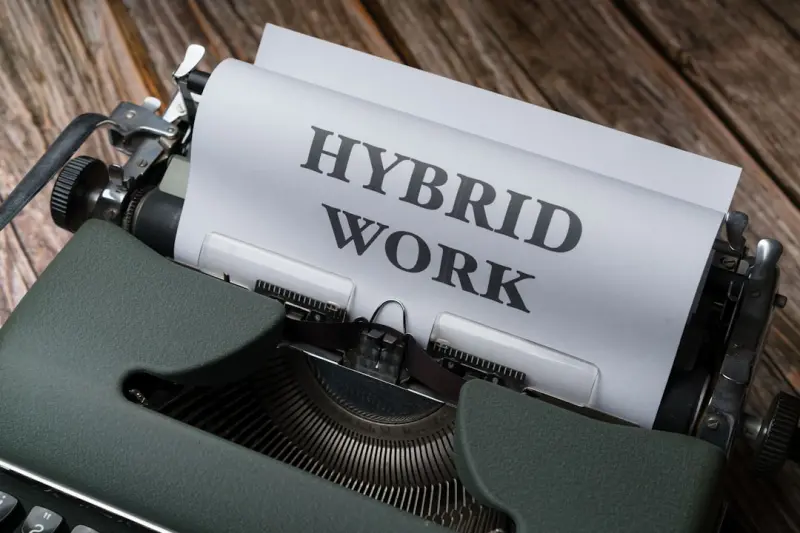
Why the “One‑Job‑Fits‑All” Model Is Dying and What That Means for Modern Employers
When I first stepped into the corporate arena, the career ladder looked like a straight, well‑polished chute: you entered as a junior, you climbed rung by rung, and you retired with a badge of seniority. Those days feel like a distant echo because the workforce has fundamentally reshaped how value is created, measured, and sustained.
Today, the employment ecosystem resembles a dynamic mosaic rather than a monolithic structure. Companies that cling to the antiquated notion of a single, lifelong role are missing out on a seismic opportunity—a chance to craft teams that are as fluid as the markets they serve. In this article, I’ll walk you through the three core forces driving this transformation, share practical strategies for leaders, and reveal why embracing a multi‑dimensional talent approach isn’t just progressive—it’s essential for survival.
The Three Catalysts Disrupting the Traditional Employment Contract
Before we dive into solutions, it helps to understand the tectonic shifts that are rewriting the playbook.
- Economic Agility – Volatile markets demand rapid re‑skill cycles. Companies can’t afford the lag between a hiring freeze and a skill gap that costs them a project.
- Technological Augmentation – AI, low‑code platforms, and automation have slashed the time required to bring a product to market, meaning the skill sets needed today could become obsolete tomorrow.
- Human Aspirations – Workers today prioritize purpose, flexibility, and continuous learning over the security of a single, static role.
These forces intersect in a way that renders the classic full‑time, one‑job‑for‑life contract less effective. The answer? An employment model that blends permanent talent, project‑based specialists, and AI‑enhanced learning pathways.
From Static Roles to Dynamic Talent Pools
Imagine your organization as a music ensemble. In the past, you might have hired a full‑time violinist, a cellist, and a pianist, expecting them to play together for the entire season. Modern orchestration, however, invites guest musicians, leverages digital sheet music, and even incorporates AI‑generated harmonies. The result? A richer, more adaptable performance.
Translating that metaphor to the workplace, the new structure looks like this:
- Core Employees – The “core” provides cultural continuity, institutional knowledge, and the strategic anchor for the company.
- Project‑Based Experts – Highly skilled freelancers or contract workers who plug into the organization for a defined mission, delivering cutting‑edge expertise exactly when needed.
- AI‑Driven Learning Agents – Digital mentors that deliver personalized upskilling, ensuring both core staff and project experts stay current without extensive training overhead.
When you combine these elements, you achieve a talent ecosystem that can pivot faster than a startup while preserving the depth of a legacy enterprise.
Practical Steps for Leaders Ready to Transition
Switching to a hybrid talent model isn’t a flip‑the‑switch exercise; it’s a series of intentional moves. Below, I outline a roadmap that has helped my own teams transition without losing momentum.
- Map Core Competencies vs. Adjacent Skills
Start by charting the skills that are non‑negotiable for your core mission (e.g., product vision, regulatory compliance). Then identify “adjacent” capabilities that could be outsourced or augmented—like AI analytics, UX research, or advanced data science.
- Invest in an AI‑Backed Learning Platform
Platforms that act as a “silent mentor” can surface micro‑learning modules in real time, making sure your staff always has the knowledge they need at their fingertips. For a deeper look at how AI can function as a learning catalyst, check out AI as the Silent Mentor for Enterprise Learning.
- Build a Flexible Vendor Marketplace
Curate a roster of vetted freelancers and boutique agencies. Use performance‑based contracts that focus on outcomes rather than hours logged. This approach also reduces overhead when you need to scale up quickly.
- Redesign the Employee Experience (EX) to Include Contractors
Offer onboarding resources, communication channels, and even cultural touch‑points to project‑based experts. A sense of belonging accelerates delivery speed and reduces friction.
- Leverage Talent Mobility Platforms
These platforms can match internal talent with new projects across departments, maximizing internal mobility and reducing the need for external hiring. For a deep dive on why these platforms are a game‑changer, read Why Talent Mobility Platforms Are the Secret Weapon for Modern Employers.
- Implement Real‑Time Performance Dashboards
Use data visualizations that track project milestones, skill acquisition, and engagement levels across both permanent staff and freelancers. Transparency fuels trust and enables quick course correction.
Case Study: The 12‑Month Transformation of a Mid‑Size SaaS Firm
To illustrate the impact, let me walk you through a client of mine—an SaaS company with 250 employees that struggled with a 30% churn rate among its engineers. Their product roadmap was frequently delayed, and morale was low because engineers felt “stuck” in their roles.
We introduced a three‑phase hybrid talent strategy:
- Phase 1 – Skill Gap Analysis – Using an AI‑driven assessment tool, we identified that 45% of the workforce needed advanced cloud architecture skills. Simultaneously, we found a surplus of front‑end talent that could be redeployed.
- Phase 2 – Contractor Integration – We partnered with a network of cloud specialists on a contract basis, bringing them in for a six‑month sprint to overhaul the platform’s scalability.
- Phase 3 – Continuous Upskilling – Through an AI‑backed learning platform, engineers received micro‑modules on emerging technologies, reducing the need for future external hires.
Results after 12 months:
- Engineering churn dropped to 12%.
- Time‑to‑market for new features improved by 28%.
- Employee satisfaction scores rose by 15 points, largely due to perceived career growth opportunities.
The experiment proved that blending core staff with specialist contractors—and supporting both with AI‑augmented learning—creates a resilient organization capable of navigating uncertainty.
Addressing Common Concerns
Switching to a mixed‑model approach raises several legitimate questions. Below are the top concerns I hear, along with concise answers.
- Will freelancers dilute our culture?
Culture isn’t a static artifact; it’s a set of shared behaviors and values. By onboarding contractors with the same digital playbook and inviting them to participate in company rituals (e.g., virtual coffee chats), you reinforce cultural cohesion rather than erode it.
- How do we protect intellectual property (IP) when external talent is involved?
Implement robust NDA frameworks and use secure collaboration tools. Moreover, clearly define ownership clauses in every contract. Many talent marketplaces now offer built‑in IP protection features.
- Will AI replace human mentors altogether?
No. AI excels at delivering scalable, data‑driven micro‑learning, but the empathy, context, and strategic counsel of a human mentor remain irreplaceable. Think of AI as a complementary coach that frees senior leaders to focus on high‑level mentorship.
Future‑Proofing Your Workforce: The Role of AI and Data
Artificial intelligence isn’t just a learning tool; it also acts as a strategic advisor for talent allocation. Predictive analytics can forecast which skills will be in demand next quarter, allowing you to proactively source freelancers or trigger internal upskilling pathways.
When you combine AI‑driven forecasts with a talent mobility platform, your organization gains a self‑correcting feedback loop: the data tells you where the gaps are, the platform matches the right people (or bots), and performance dashboards confirm the outcome. This loop creates a living talent ecosystem that evolves alongside your business strategy.
Key Takeaways
- The traditional single‑role employment model is losing relevance in an era of rapid change.
- Blending core staff, project‑based experts, and AI‑enhanced learning creates a flexible talent mosaic.
- Invest in AI learning platforms and talent mobility solutions to orchestrate the transition smoothly.
- Address cultural, IP, and mentorship concerns early to ensure seamless integration.
- Use data‑driven insights to continuously refine your talent mix, keeping the organization future‑ready.
By re‑imagining employment as a dynamic partnership rather than a fixed contract, you’ll unlock higher productivity, deeper engagement, and a strategic advantage that’s hard for competitors to replicate. The future belongs to those who can assemble the right talent orchestra—on demand, at scale, and with the precision of a maestro.

Jimmy Anand is a content creator that gets inspired by many aspects of life, internet or whatever inspires him at that moment. When he's not online he's gaming and when he is not gaming he is online trolling discussion boards.
Related Posts
Outcome‑Based Employment: Paying for Impact, Not Hours
A deep dive into outcome‑based employment, this article explains how tying compensation to measura... Read More

Neurodiversity at Work: Turning Different Minds into a Competitive Advantage
Discover why neurodiverse talent is a hidden powerhouse and learn actionable steps to recruit, onboa... Read More

How Garden Desks Are Redefining the Modern Employment Landscape
Garden desks blend nature and productivity, offering a sustainable, flexible workspace that boosts m... Read More
Top Posts

Beyond the Checklist: Crafting Travel Experiences That Teach You Something New
Travel isn’t just a break—it’s a classroom. This post shows how to design trips that build real skills, expand networks, and deepen cultural insight, usin...Read More

The Future‑Ready Home: Blending Tech, Sustainability, and Style
Explore a fresh approach to home living that merges technology, green practices, and design, turning any space into a sustainable, stylish sanctuary....Read More
Reimagining Internal Mobility: The Marketplace Model That Keeps Talent Thriving
A fresh look at career development replaces the traditional ladder with an open internal marketplace, empowering employees to find visible, skill‑aligned oppo...Read More

The Rise of Garden Desks: How Outdoor Workspaces Are Redefining Employment
Explore how outdoor garden desks are revolutionizing employment, boosting morale, and driving productivity in the modern work landscape....Read More
0 Comments
Post Comment
You will need to Login or Register to comment on this post!