
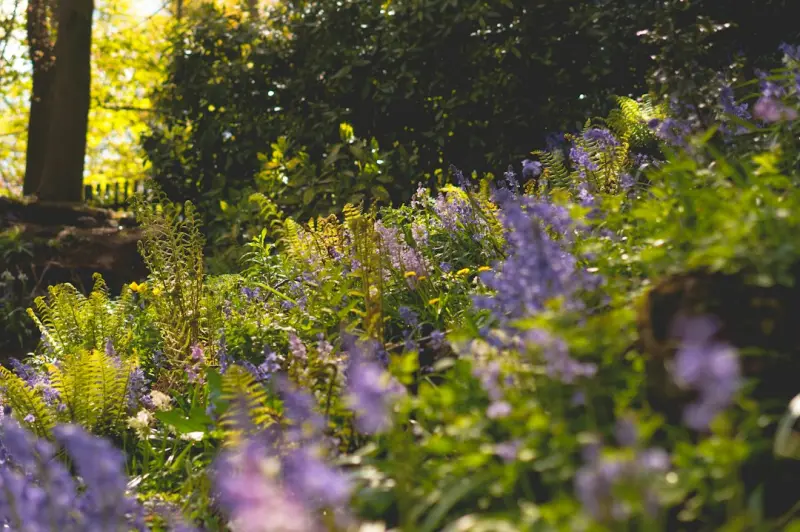
Why Native Plants Are the Unsung Heroes of Modern Gardens
When I first moved into my modest suburban home, the garden felt like a battlefield. I was constantly battling weeds, over‑watering, and a never‑ending list of “must‑have” exotic plants that promised color but delivered endless maintenance. One weekend, while strolling through a nearby nature preserve, I realized the solution had been growing right under my nose all along: native plants.
Native species have evolved alongside the local climate, soil, and wildlife for centuries. This means they require far less water, fewer fertilizers, and almost no pesticide intervention. In a world where time is the most valuable commodity for professionals, leveraging the resilience of native flora is not just an ecological choice—it’s a strategic productivity hack.
Decoding the Science: How Native Plants Save You Money and Sanity
Before you start planting, it helps to understand the concrete benefits:
- Water Efficiency: Roots of native plants are adapted to extract moisture from deeper soil layers, reducing irrigation needs by up to 70%.
- Reduced Chemical Use: Because they’re naturally pest‑resistant, you’ll spend less on insecticides and herbicides.
- Soil Health: Many native varieties fix nitrogen or provide organic matter that enriches the soil without synthetic amendments.
- Wildlife Support: Local pollinators, birds, and beneficial insects thrive, creating a self‑sustaining ecosystem that further curtails pest pressures.
These advantages translate directly into lower utility bills, fewer trips to the garden store, and a more tranquil outdoor space—exactly what a busy professional needs after a demanding day.
Choosing the Right Species: A Practical Checklist
Not all natives are created equal, and your selection should reflect your micro‑climate, soil type, and desired aesthetic. Here’s a quick framework I use:
- Sun Exposure: Identify sunny, partially shaded, and fully shaded zones in your yard.
- Soil Texture: Conduct a simple slip‑test to determine if your soil is sandy, loamy, or clay‑heavy.
- Water Availability: Map out areas that naturally retain moisture versus those that dry out quickly.
- Design Intent: Do you want a lush groundcover, a dramatic focal point, or a subtle border?
Armed with this data, consult your local extension service or a reputable native plant nursery. They’ll guide you toward species that will thrive with minimal intervention.
Design Principles That Keep the Garden Low‑Maintenance
Even the most resilient plants can become a nightmare if placed without thought. Here are three design rules I live by:
- Group by Water Needs: Planting water‑thirsty species alongside drought‑tolerant ones forces you to over‑water the latter. Keep similar needs together to streamline irrigation.
- Layer for Seasonal Interest: Combine early‑season bloomers, mid‑season textures, and late‑season foliage to ensure visual appeal year‑round without replanting.
- Use Mulch Strategically: A 2‑inch layer of hardwood mulch conserves moisture, suppresses weeds, and adds organic matter as it breaks down.
When you respect these principles, your garden will essentially “take care of itself,” freeing you to enjoy the space rather than labor over it.
Water‑Smart Irrigation: Pairing Native Plants with Modern Tech
While native plants dramatically cut water usage, pairing them with intelligent irrigation can push savings even further. If you haven’t yet explored smart watering, consider a drip‑system equipped with soil moisture sensors. These systems deliver water directly to the root zone only when the soil drops below a pre‑set threshold.
For a deeper dive on optimizing home comfort through technology, see our article on Dynamic Room Zoning. Though focused on interior spaces, the same data‑driven mindset applies to outdoor watering strategies.
Seasonal Interest: Keeping the Garden Engaging All Year
One common misconception is that native gardens are monotonous. In reality, they can be a kaleidoscope of colors, textures, and scents that evolve throughout the year.
- Spring: Dog‑tooth violet (Erythronium), trillium, and early‑blooming columbine provide delicate pastel tones.
- Summer: Black-eyed Susan, coneflower, and bee balm attract pollinators while delivering bold, sunny hues.
- Fall: Goldenrods, asters, and native ornamental grasses turn the garden into a warm, amber‑rich retreat.
- Winter: Evergreen shrubs like winterberry and native evergreens add structure and occasional berries for birds.
By selecting a succession of species, you eliminate the “blank” periods that plague many ornamental gardens.
Integrating Outdoor Living Spaces: From Patio to Garden Seamlessly
When you design a garden, think of it as an extension of your indoor living area. Here’s how to blend the two without creating visual dissonance:
- Define a Transition Zone: Use a low hedge of native boxwood or dwarf spruce to gently shift from hardscape to planting beds.
- Choose Complementary Materials: If your patio deck is cedar, incorporate cedar mulch or planters to maintain material harmony.
- Incorporate Seating Within Plantings: A weather‑proof lounge set nestled among native grasses and aromatic herbs (like lavender or sage) invites spontaneous relaxation.
These subtle cues blur the line between indoor comfort and outdoor freshness, turning your backyard into a year‑round sanctuary.
Maintenance Hacks: Staying Ahead of the Curve
Even the most self‑sufficient garden needs occasional attention. Here are five quick habits that keep your native landscape thriving without becoming a chore:
- Early‑Season Pruning: Trim dead stems in late winter to encourage vigorous spring growth.
- Weed Spot Checks: Once a month, walk the beds and pull any invasive weeds before they set seed.
- Mulch Refresh: Replenish mulch every two years to maintain its insulating properties.
- Rain Barrel Integration: Capture runoff to supplement irrigation during dry spells, further reducing municipal water usage.
- Seasonal Soil Test: Conduct a simple pH test annually; native plants usually thrive in slightly acidic to neutral soils, and adjustments can be made with natural amendments.
These micro‑habits are the garden equivalent of a daily stretch: brief, impactful, and ultimately preventative.
Case Study: My Own Backyard Transformation
To illustrate these concepts, let me walk you through the metamorphosis of my own 1,200‑square‑foot yard.
- Assessment: I mapped sun exposure and discovered a 40% shade zone beneath a mature oak.
- Selection: For the sunny patch, I planted purple coneflower, butterfly weed, and native ornamental grasses. In the shade, I introduced native ferns, woodland phlox, and a dwarf serviceberry.
- Installation: Using a drip line with moisture sensors, I set up zones that corresponded to the water needs of each plant group.
- Mulching: I spread shredded hardwood mulch to a depth of 2 inches, which also added a subtle, earthy fragrance.
- Integration: A reclaimed stone patio flows into a herb garden featuring native thyme and oregano, perfect for weekend cooking.
Six months later, the irrigation system had cut my water bill by 45%, and the garden required only a half‑hour of weekly upkeep. The final piece? I added a small seating nook surrounded by low‑grown native lavender, which doubles as a natural air‑purifier—a gentle nod to our earlier discussion on indoor air quality (Breathe Better at Home).
Future‑Proofing Your Garden: Climate Resilience and Biodiversity
Climate change is no longer a distant threat; it’s reshaping growing seasons and weather patterns. By anchoring your garden in native species, you inherently build resilience against these fluctuations. Native plants are genetically equipped to survive local droughts, heatwaves, and unexpected frosts, reducing the risk of costly replanting.
Additionally, a biodiverse garden creates a buffer against invasive species. When a garden hosts a variety of native flora, it leaves fewer ecological niches for opportunistic weeds to exploit.
Conclusion: A Garden That Works for You, Not the Other Way Around
In the rush of professional life, the home should be a refuge—a place that restores rather than drains. A native‑focused garden delivers exactly that: low maintenance, high visual reward, ecological harmony, and tangible savings. By applying thoughtful design, smart irrigation, and modest seasonal care, you can cultivate an outdoor space that feels both wild and wonderfully curated.
Take the first step today: walk around your property, note the sun, the soil, and the water flow, then reach out to a local native plant nursery. Within a season, you’ll witness a garden that not only looks good but also works for you.

Sanji Patel has dedicated 25 years to the SEO industry. As an expert SEO consultant for news publishers, he emphasizes providing both technical and editorial SEO services to news publishers worldwide. He frequently speaks at conferences and events globally and offers annual guest lectures at local universities.
Related Posts

Why My Garden Desk Became My Favorite Home Office
Explore the rise of garden desks, how they reshape home workspaces, and practical tips for creating ... Read More
How to Build a Low‑Maintenance Edible Landscape That Feeds Your Family
Learn how to design a beautiful, low‑maintenance edible landscape that provides continuous harvest... Read More
How My Garden Desk Revitalized My Home & Garden Sanctuary
A personal journey reveals how a garden desk blends work, nature, and sustainability, turning a back... Read More
Top Posts

Turning Wanderlust into a Personal Growth Engine
Learn to reframe travel as a purposeful growth journey, using goal‑oriented planning, on‑the‑road learning, and reflective habits that extend beyond the t...Read More

Transform Your Home Into a Productivity Powerhouse
Learn how to map zones, streamline tech, and embed micro‑breaks so your home becomes a powerful ally in your professional life....Read More

Curating Your Digital Information Diet for Mental Clarity
A practical guide to transforming your online consumption into a mental super‑fuel, featuring content audits, scheduled intake, soundscape resets, and habit l...Read More

Redefining Employee Success: From Rigid Metrics to Adaptive Growth
Static KPIs are holding teams back. Learn how an adaptive growth framework, intentional digital downtime, and a culture of experimentation can redefine employee...Read More
0 Comments
Post Comment
You will need to Login or Register to comment on this post!