

Why Edible Curb Appeal Matters
Your front yard is more than just a decorative buffer; it’s a silent ambassador that greets every passerby, and when you blend edible plants with classic landscape design, you transform that first impression into a conversation starter that celebrates both aesthetics and sustainability. Edible curb appeal invites neighbors to pause, admire, and maybe even sample a burst of fresh herbs or a glossy, ruby‑red tomato that has been nurtured right on your doorstep, creating a sense of place that feels both cultivated and welcoming. By rethinking the traditional “grass‑only” paradigm, you set the stage for a garden that feeds the eye and the palate, turning ordinary curbside space into a vibrant, living showcase.
Beyond Beauty: The Tangible Benefits
When you choose plants that serve a dual purpose—visual intrigue and edible yield—you unlock a suite of advantages that go far beyond curb appeal, including reduced grocery bills, lower carbon footprints, and a built‑in lesson in seasonal cycles for curious children who wander by. The act of harvesting a handful of basil or plucking a bright orange from a dwarf citrus tree creates a direct, rewarding link between effort and sustenance, reinforcing a mindset of resourcefulness that many urban dwellers crave but rarely find. Moreover, an edible front yard can become a micro‑hub for community interaction, where neighbors swap recipes, share surplus produce, and collectively celebrate the bounty of local growing.
Planning Your Edible Front Yard
The first step in creating an edible masterpiece is a thorough site analysis, which involves mapping sun exposure, wind patterns, and soil composition to determine which plants will thrive without demanding excessive irrigation or chemical inputs. By conducting a simple soil test—available at most garden centers—you can gauge pH levels and nutrient availability, allowing you to amend the earth with compost or lime as needed, ensuring a fertile foundation for both ornamental and productive species. With this data in hand, you can sketch a layout that respects existing hardscape features while allocating zones for fruit, vegetables, herbs, and decorative foliage, striking a harmonious balance that feels intentional rather than haphazard.
Choosing Dual‑Purpose Plants
When selecting varieties, prioritize those that offer striking visual attributes alongside culinary value, such as dwarf fruit trees with glossy leaves and showy blossoms that later yield bite‑size apples or cherries perfect for snacking. Ornamental kale and rainbow chard add a cascade of purples, pinks, and greens that serve as a living sculpture in summer while delivering nutritious greens for salads and smoothies in the cooler months. Edible flowers like nasturtiums and calendula bring bright pops of orange and yellow, acting as natural pollinator magnets and providing peppery or citrusy notes that can elevate salads, desserts, or cocktails, thereby weaving flavor directly into the fabric of your landscape.
Design Principles for Visual Harmony
Layering is the cornerstone of a compelling edible front yard; position taller dwarf fruit trees at the back, medium‑height herbs and shrubs in the middle tier, and low‑lying lettuce, radishes, or ground‑covering herbs at the foreground to create a tiered, gallery‑like effect that draws the eye inward. Color theory plays a vital role, too—pair the deep violet of purple basil with the sunny gold of marigolds to generate contrast, while using foliage texture—such as the glossy sheen of rosemary leaves against the feathery fronds of fennel—to add depth and intrigue. Incorporating raised beds, sleek metal or reclaimed wooden planters, and decorative trellises can further define spaces, allowing you to sculpt formal lines or organic curves that echo the architectural language of your home.
Upcycling Materials for Sustainable Style
One of the most rewarding aspects of an edible front yard is the opportunity to repurpose everyday items into functional garden art, a practice that not only reduces waste but also adds a story‑laden charm to your landscape design. Old wooden pallets, for example, can be transformed into tiered planter systems that showcase a cascade of herbs and micro‑greens, while reclaimed metal drums serve as rustic water features or storage for gardening tools, marrying practicality with visual intrigue. For inspiration on how to turn discarded objects into garden treasures, explore Upcycled Garden Chic, which offers a treasure trove of creative ideas that seamlessly blend sustainability with style.
Maintenance Made Manageable
Keeping an edible front yard healthy and attractive requires a disciplined yet enjoyable routine that hinges on timely pruning, mulching, and integrated pest management, ensuring that plants remain vigorous without resorting to harsh chemicals that could tarnish your visual masterpiece. Mulch layers of shredded bark or leaf compost not only suppress weeds and retain moisture but also gradually enrich the soil, creating a self‑sustaining ecosystem that reduces the need for frequent watering—especially valuable in regions with water restrictions. Seasonal rotation—replacing summer‑blooming herbs with cool‑season greens as temperatures dip—maintains year‑round interest while preventing soil fatigue, allowing you to harvest continuously without sacrificing the garden’s aesthetic flow.
Creating a Wellness Nook Within the Edible Landscape
Integrating a small seating area or meditation corner amid your edible planting beds turns your front yard into a holistic retreat where the senses are engaged through sight, scent, and taste, fostering a sense of calm that extends beyond the confines of your home. A simple wooden bench shaded by a pergola draped with climbing grapes or fragrant jasmine invites you to pause, sip a freshly brewed mint tea, and inhale the aromatic blend of basil, rosemary, and blooming flowers, reinforcing a mindful connection to the land you cultivate. For deeper inspiration on designing such restorative spaces, see personal wellness retreat, which outlines ways to merge healthful living with everyday environments.
Reaping the Rewards: Community, Pride, and Value
Beyond the immediate pleasures of harvesting home‑grown produce and admiring a striking façade, an edible front yard contributes to property value by showcasing innovative, eco‑friendly landscaping that appeals to forward‑thinking buyers and renters alike. The visual narrative of thriving fruit trees, vibrant herbs, and thoughtfully arranged ornamental edibles sends a powerful message of stewardship and creativity, often sparking conversations that strengthen neighborhood bonds and inspire others to embark on their own planting journeys. As you stand at your doorstep, basking in the kaleidoscope of colors and flavors you’ve cultivated, you’ll find that the true harvest is the sense of pride and connection that blossoms alongside every ripe berry and fragrant leaf.

Jimmy Damon loves to right on a large scale of topics with all things Canadian as this Montreal die hard loves hockey. fishing and sports.
Related Posts
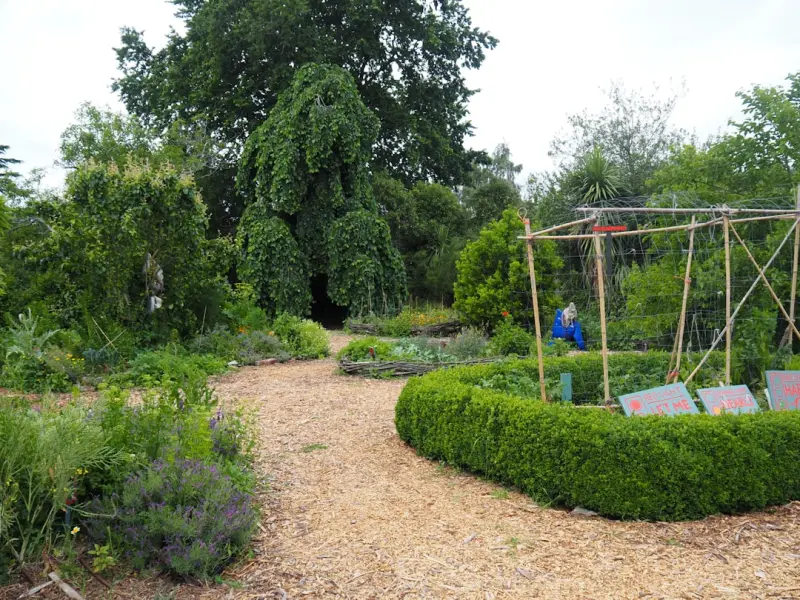
Cultivating a Sensory Garden: A Multi‑Sensory Retreat for Home & Garden Lovers
Learn step‑by‑step how to build a sensory garden that awakens all five senses, offering a soothi... Read More
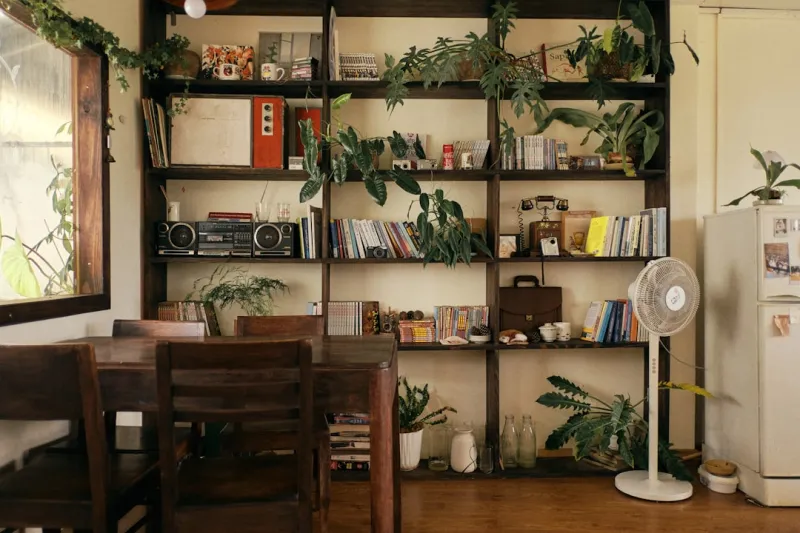
How a Garden Desk Transformed My Home Life
From a sunny patch to a thriving workspace, a garden desk changed my daily routine, family dynamics,... Read More
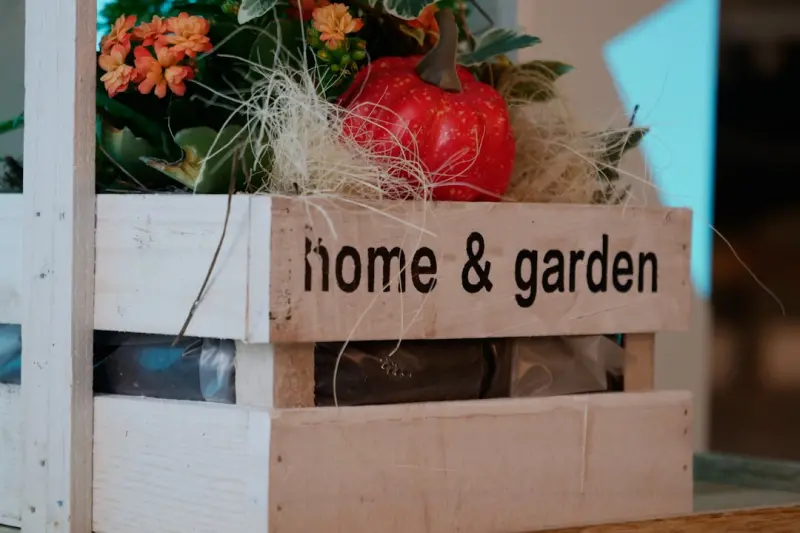
How to Craft a Welcome‑Mat Worthy Entryway That Sets the Day Right
A well‑designed entryway can lower stress, improve flow, and set a positive tone for the day. Disc... Read More
Top Posts

Ritualizing Personal Care to Supercharge Remote Performance
A deep dive into turning everyday personal care routines—skin shielding, hand hygiene, and posture checks—into measurable performance enhancers for remote w...Read More

Create a Sonic Sanctuary at Home with Simple Tweaks
Learn how to transform each area of your home—living room, office, bedroom, kitchen, and bathroom—into a sound‑optimized sanctuary with practical, low‑c...Read More

The Hidden Palette: Using Color to Rewire Your Mood
Explore the science of color psychology and learn practical ways to use hue in your environment and wardrobe to uplift mood and strengthen mental health....Read More

Reimagining Employment: The Power of Networked Careers
The traditional job ladder is fading. This post explains how building a skill‑centric portfolio, embracing micro‑learning bubbles, and joining cross‑funct...Read More
0 Comments
Post Comment
You will need to Login or Register to comment on this post!