
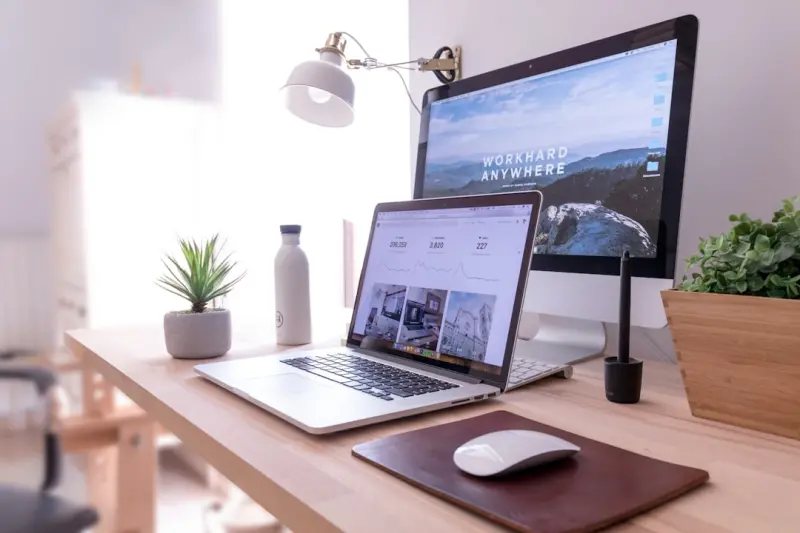
Designing a Home Workspace That Grows With You
Living in a compact apartment or a bustling house? The challenge isn’t just finding a desk; it’s creating a workspace that can stretch, shrink, and shift as your daily rhythm changes. I’ve spent the last few years experimenting with furniture that folds, walls that slide, and tech that adapts. Below is the playbook I use to turn any corner of my home into a productive hub without sacrificing style or comfort.
1. Start with a “Zone Blueprint” Instead of a Fixed Room
Instead of designating a permanent “office,” think in zones. Map out the places you spend most of your day—near the window for natural light, by the kitchen for quick coffee breaks, or a quiet nook for deep focus. Sketch a simple diagram on a napkin, marking where each activity could happen. This mental model keeps you from boxing yourself into a single layout and gives you the freedom to re‑arrange as life demands.
2. Invest in Modular Furniture That Plays Nicely Together
Modular pieces are the unsung heroes of a flexible home office. Look for desks that split into two halves, stackable shelves that can become a side table, and ottomans that double as storage. The goal is interchangeability—a piece that serves one purpose today can be repurposed tomorrow.
- Fold‑away desks: A wall‑mounted drop‑leaf can be tucked away when you need the floor for yoga or a pet play area.
- Adjustable height tables: Switch between sitting and standing with a simple crank or pneumatic lift.
- Mobile storage carts: Roll them into the kitchen for recipe research or into the living room for a quick video call.
3. Leverage Vertical Real Estate
When floor space is at a premium, the walls become your best friend. Install floating shelves at varying heights to hold books, plants, and tech accessories. Use pegboards for cables, headphones, and even a small whiteboard. The vertical approach not only declutters the floor but also encourages a more ergonomic posture—your eyes naturally look up, reducing neck strain.
4. Integrate Smart Lighting for Mood Shifts
Lighting isn’t just about illumination; it’s a productivity lever. Warm tones boost creativity, while cool daylight mimics the natural sun and helps maintain alertness. A simple lighting hack guide can walk you through affordable LED strips, dimmable bulbs, and plug‑in daylight simulators that you can control with a phone app or voice command.
Place a task light on your primary work surface for focused tasks, and add a soft ambient lamp in the background for video calls—this combo eliminates harsh shadows and keeps you camera‑ready.
5. Control Air Quality Without Over‑Engineering
Even the most stylish workspace can feel draining if the air is stale. While you could invest in high‑end HVAC upgrades, there are low‑cost tricks that still make a big impact. A small desk‑size air purifier, a few houseplants, and regular window ventilation can dramatically improve oxygen flow. For a deeper dive on breathable indoor environments, check out this home health hacks article.
6. Create a “Reset” Corner for Micro‑Breaks
Research shows that short, intentional breaks boost focus. Set aside a tiny area—just a cushion and a small plant—where you can step away from the screen. Keep a timer on your phone, and every 45‑minutes, take a two‑minute stretch, sip water, or glance outside. Over time, this habit becomes a natural part of your workflow, preventing burnout without sacrificing productivity.
7. Use Acoustic Buffers Sparingly
While a full‑blown soundproof room is overkill for most homes, a few strategic acoustic solutions can quiet distractions. A heavy rug under the desk absorbs footfall, a bookshelf filled with books acts as a sound diffuser, and a folded blanket behind your monitor reduces echo. These low‑effort tweaks improve concentration without the need for costly panels.
8. Personalize the Space to Reflect Your Brand
Even if you’re working from home for a corporate gig, a touch of personal branding can elevate your mood. Add a framed piece of art that inspires you, a small trophy from a recent achievement, or a custom mouse pad with your favorite quote. These visual cues remind you of your purpose and keep the environment feeling fresh.
9. Make the Transition Seamless with a “Work‑End” Ritual
One of the biggest challenges of remote work is drawing a line between “work mode” and “home mode.” I’ve adopted a simple ritual: when the day ends, I close the laptop, switch off the desk lamp, and move the modular desk to the dining table for evening reading. This physical act signals to my brain that it’s time to unwind, reducing the mental residue of lingering tasks.
10. Keep a “Future‑Fit” Mindset
Technology evolves, and so will your needs. Choose furniture that can accommodate future accessories—like a built‑in wireless charger or a hidden cable management system. When a new gadget arrives, you won’t need to overhaul the whole setup; you’ll simply add a module or rearrange existing pieces.
Putting It All Together: A Sample Day
Morning: I start at the window‑facing fold‑away desk, basking in natural light while the cool LED task lamp stays off. A quick 2‑minute stretch at the reset corner follows my first coffee.
Mid‑day: I slide the desk to the kitchen island, pull the mobile cart for extra screen real estate, and use the ambient lamp to keep the vibe relaxed during video calls.
Afternoon: The desk folds away, the modular shelves become a mini library, and I take a walk to open the windows, letting fresh air circulate.
Evening: The workspace converts into a reading nook—soft lighting, a cozy cushion, and my favorite novel. The transition feels natural because the furniture itself tells the story of change.
Final Thoughts
Creating a home workspace that adapts isn’t about buying the most expensive gear; it’s about thinking in layers—zones, modularity, verticality, and simple sensory cues. When each element can serve multiple purposes, you free up both physical space and mental bandwidth. Give these strategies a try, and you’ll find that your home can support any professional ambition while still feeling like, well, home.
For a deeper dive into turning ordinary rooms into personal retreats, you might enjoy reading about how to craft a personal grooming oasis that doubles as a meditation spot.

Jimmy Anand is a content creator that gets inspired by many aspects of life, internet or whatever inspires him at that moment. When he's not online he's gaming and when he is not gaming he is online trolling discussion boards.
Related Posts
Transform Your Entryway into a Stress‑Free Welcome Hub
A step‑by‑step guide to turning a chaotic foyer into a serene welcome hub, featuring practical z... Read More
Houseplant Haven: Curating a Living Green Space for Health, Mood, and Productivity
Learn practical steps to build a thriving indoor garden, from selecting low‑maintenance plants to ... Read More
Transform Your Home into an Acoustic Sanctuary with Simple DIY Hacks
Discover practical, low‑cost strategies to tame household noise, from repurposed fabrics to strate... Read More
Top Posts

How Breathwork Can Reboot Your Health in a Screen‑Heavy World
A practical guide to integrating breathwork into daily routines, showing how a few mindful breaths can lower stress, enhance focus, and support overall health w...Read More

AI‑Enabled Empathy Engines: Turning Data into Compassionate Collaboration
Explore the rise of AI‑enabled empathy engines that analyze sentiment, provide real‑time nudges, and deliver actionable insights, helping teams communicate ...Read More

Vertical Gardens: Maximizing Space and Style in Small Homes
Learn to turn walls into thriving vertical gardens, blending design, sustainability, and budget‑friendly DIY tricks for compact living spaces....Read More
Quiet‑Crafting Your Home: Simple Acoustic Hacks for a Calmer Life
Learn easy acoustic upgrades—from plush rugs and DIY panels to smart tech and quiet‑zone habits—that transform any living space into a calm, focused sanct...Read More
0 Comments
Post Comment
You will need to Login or Register to comment on this post!