

Cross‑Cultural Hackathons on the Road: Crafting Ideas While You Roam
Travel has always been a catalyst for curiosity. The moment you step off a plane, out of the familiar hum of the airport, you are thrust into a new rhythm of language, food, architecture, and social cues. For most of us, that sensation translates into a few Instagram snapshots and a handful of souvenir magnets. But what if you could harness that sensory overload and turn it into a structured, repeatable process for generating breakthrough ideas? Imagine treating each destination not just as a place to visit, but as a living laboratory where you can run micro‑hackathons, sketch prototypes on a café napkin, and leave with a notebook full of concepts that could reshape your product line, business model, or even personal habits.
Why “Hackathon” Doesn’t Have to Mean Code
The word “hackathon” has become synonymous with marathon coding sessions, yet the core principle—rapid, collaborative problem solving under a time constraint—is universal. When you blend that framework with travel, the constraints shift from bandwidth and server uptime to jet lag, language barriers, and limited resources. Those constraints, paradoxically, become the creative fuel. In a bustling market in Marrakech, a local vendor might demonstrate a low‑tech method for keeping spices fresh that sparks an idea for a sustainable packaging solution. In a co‑working space in Medellín, a group of freelancers could brainstorm a new app feature while the city’s cable cars glide overhead, reminding everyone that connectivity isn’t just digital.
Setting Up Your Mobile Idea Lab
The first step is to treat your suitcase as a portable lab kit. Here’s a quick inventory:
- Capture tools: A compact notebook, a pen with interchangeable ink colors, and a voice recorder app (keep the battery charged!).
- Visual aids: A fold‑out sketchpad, a set of water‑color pencils, and a small magnetic whiteboard (magnet strips stick to any metal surface, even a hotel safe).
- Collaboration gear: A lightweight portable projector or a Bluetooth speaker for group brainstorming sessions, plus a few deck‑of‑cards with prompts (e.g., “What problem would you solve for a night market vendor?”).
- Data anchor: A simple spreadsheet template saved offline to log ideas, participants, and the contextual triggers that sparked them.
These items are deliberately low‑tech, echoing the philosophy behind Paper‑Only Travel. The goal isn’t to replace your smartphone with a quill, but to create a tactile feedback loop that grounds abstract thoughts in concrete, physical media—a practice shown to improve memory retention and idea quality.
Choosing the Right Destination for Ideation
Not every city is equally fertile for a travel‑hackathon. Look for places that naturally blend diverse activities:
- Creative hubs: Cities with thriving art districts, maker spaces, or design schools (think Berlin’s Kreuzberg, Osaka’s Namba).
- Food corridors: Neighborhoods where culinary traditions intersect, offering a sensory buffet of flavors and techniques—perfect for a Culinary Mapping session that fuels both palate and imagination.
- Nature‑tech interfaces: Locations where sustainability meets technology, such as eco‑villages in New Zealand or regenerative farms in Denmark. These spots provide real‑world case studies for environmentally conscious design.
When you land, spend the first 24 hours simply observing. Walk the streets at sunrise, sit in a park at noon, and note the ways locals solve everyday problems without the crutch of high‑tech solutions. Those observations become the raw material for your hackathon challenges.
The 48‑Hour Hackathon Blueprint
Once you’ve settled in, structure your ideation sprint around a clear, time‑boxed agenda:
- Day 1 – Immersion (6 hrs): Conduct “field interviews” with locals, shopkeepers, and commuters. Ask open‑ended questions: “What’s the biggest inconvenience you face today?” Record answers verbatim.
- Day 1 – Synthesis (2 hrs): Review recordings, highlight recurring pain points, and cluster them into themes (e.g., “last‑mile delivery”, “temperature control”).
- Day 1 – Ideation Burst (3 hrs): Using the sketchpad and prompt cards, generate as many solutions as possible. No judgment. Quantity over quality.
- Day 2 – Prototype Sprint (6 hrs): Select the top three ideas. Build quick prototypes using everyday materials—cardboard, zip ties, recycled plastic bottles. The goal is to make something tangible you can test on the spot.
- Day 2 – Validation (4 hrs): Bring your prototypes to a local café or community center. Invite strangers to interact, give feedback, and iterate on the fly.
- Day 2 – Reflection (2 hrs): Capture lessons learned, refine the idea sheet, and plan next steps (e.g., remote follow‑up, partnership outreach).
This structure is flexible; you can compress or expand each block depending on travel constraints. The magic lies in the rapid feedback loop: observe → ideate → prototype → test, all within the span of a weekend.
Leveraging Local Talent Without Overstepping
One of the biggest pitfalls of travel‑based collaboration is the temptation to treat locals as mere “subjects.” Instead, position yourself as a facilitator. Offer a clear value proposition: you’ll co‑create a solution that addresses a problem they’ve identified, and you’ll share any potential upside—be it profit sharing, exposure, or a prototype you’ll bring back to market. This reciprocal approach respects cultural context and often yields richer, more grounded ideas.
From the Road to the Boardroom
After the trip, you’ll have a portfolio of sketches, prototypes, and user feedback. The next step is translating that raw material into a pitch deck that resonates with stakeholders back home. Here’s a quick framework:
- Problem Statement: Quote a local’s words verbatim—nothing conveys urgency like a direct voice.
- Insight: Explain the cultural nuance that made the problem unique (e.g., a market’s reliance on manual cash handling in a digitized economy).
- Solution: Show the prototype photos, highlight the low‑cost materials, and demonstrate the user test results.
- Business Model: Outline how the solution could be scaled—perhaps through a partnership with a local distributor or a crowdsourced manufacturing platform.
- Roadmap: Detail the next phases: further validation, pilot launch, and go‑to‑market strategy.
Because the idea originated from real‑world observation, it carries an authenticity that pure desk research often lacks. Executives love that kind of “evidence‑based” innovation, especially when it comes with a built‑in story for marketing.
Case Study: A Mini‑Hackathon in Oaxaca
Last year, I joined a small group of designers in Oaxaca, Mexico, for a two‑day “culture‑code” sprint. The city’s famed mole sauces, each with a secret family recipe, sparked a challenge: how might we preserve culinary heritage while reducing food waste?
We interviewed three market vendors who told us that unsold ingredients often went to waste, yet the community prized traditional flavors. Within hours, we sketched a modular, reusable spice pouch made from biodegradable plant fibers, complete with a QR code linking to a digital recipe archive. The prototype—crafted from locally sourced agave fibers—was tested by a vendor who reported a 20% reduction in waste during the next market day.
The outcome? A pitch that secured a small grant from a Mexican cultural foundation, and a partnership with a local cooperativa to pilot the pouches across the region. This success story illustrates how a brief, focused travel hackathon can produce socially responsible innovations that also have market potential.
Scaling the Model: From Solo Traveler to Global Network
If the solo‑traveler hackathon feels too isolated, consider building a network of like‑minded “travel innovators.” Platforms such as remote‑work forums, design meet‑ups, or even Airbnb Experiences can serve as recruitment channels. By standardizing the 48‑hour sprint template, you enable participants from different continents to run parallel sessions, share results in a central repository, and collectively iterate on the most promising concepts.
Think of it as a distributed R&D department, with each node embedded in a unique cultural ecosystem. The data you gather—pain points, user quotes, prototype performance—can be aggregated and fed into an AI‑enhanced analytics tool (without infringing on the Ambient AI narrative already explored on this blog). This layer of insight helps you prioritize ideas that have both local relevance and global scalability.
Travel, Mindset, and the Future of Innovation
Travel has long been romanticized as a means of escape. In the context of modern business, it’s evolving into a strategic lever for ideation. By treating each trip as a series of micro‑experiments, you convert downtime into a fertile ground for creativity. The key ingredients are intentionality, a lightweight toolkit, and a willingness to co‑create with the communities you visit.
So the next time you book a flight, ask yourself: “What problem will I solve on this journey?” Then pack a sketchpad, a few prompt cards, and an open mind. Your next breakthrough might be waiting on a bustling street corner, a quiet mountain village, or even in the aroma of a street‑food stall. All it takes is the right mindset to turn wanderlust into a workshop that travels with you.

Robert Mathews is a professional content marketer and freelancer for many SEO agencies. In his spare time he likes to play video games, get outdoors and enjoy time with his family and friends .
Related Posts

Narrative Nomad: Turning Every Trip Into a Story
Travel isn’t just about sights—it’s a living story. Discover how a capsule wardrobe, chronobio... Read More
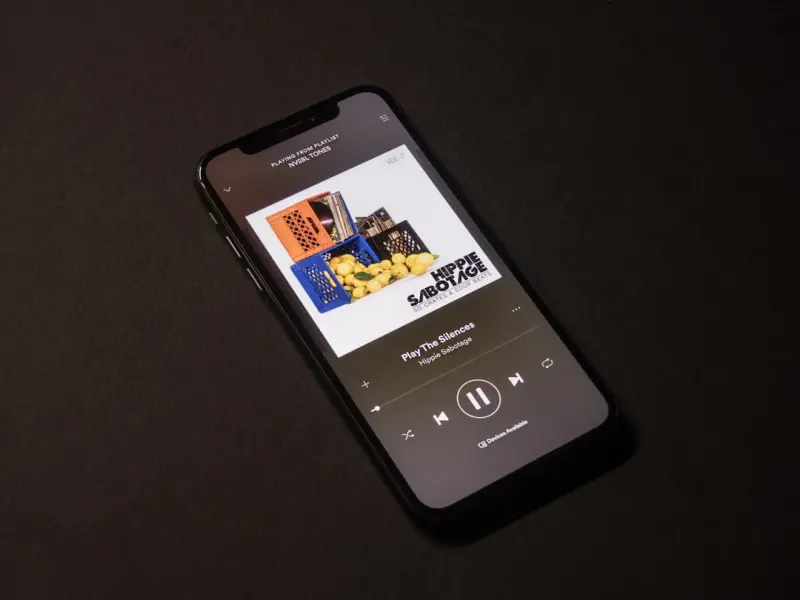
Soundtracking Your Journey: How Curated Playlists Transform Travel
A travel playlist can do more than fill silence—it shapes emotions, anchors memories, and deepens ... Read More

Taste the World: How Cooking Global Recipes Turns Home Into a Travel Hub
Explore the art of turning your kitchen into a travel hub by cooking authentic dishes from around th... Read More
Top Posts

Scented Garden Pathways: A Fragrant Walk Through Your Backyard
Discover how to design a scented garden pathway that delights the senses, attracts pollinators, and requires minimal upkeep, turning every walk into an aromatic...Read More

Pop‑Up Villages: The New Frontier of Travel
Pop‑up villages blend modular design, local partnership, and communal living to create immersive, sustainable travel experiences that foster genuine connectio...Read More

AI‑Driven Circular Economy: Turning Waste into Value
Artificial intelligence can shift waste management from reactive cleanup to proactive prevention, unlocking new revenue streams and accelerating the circular ec...Read More

When Algorithms Join the Brainstorm: AI as a Co‑Creator in Business Innovation
Discover how shifting AI from a mere tool to a collaborative partner can transform product ideation, marketing, and corporate storytelling, unlocking fresh, dat...Read More
0 Comments
Post Comment
You will need to Login or Register to comment on this post!