
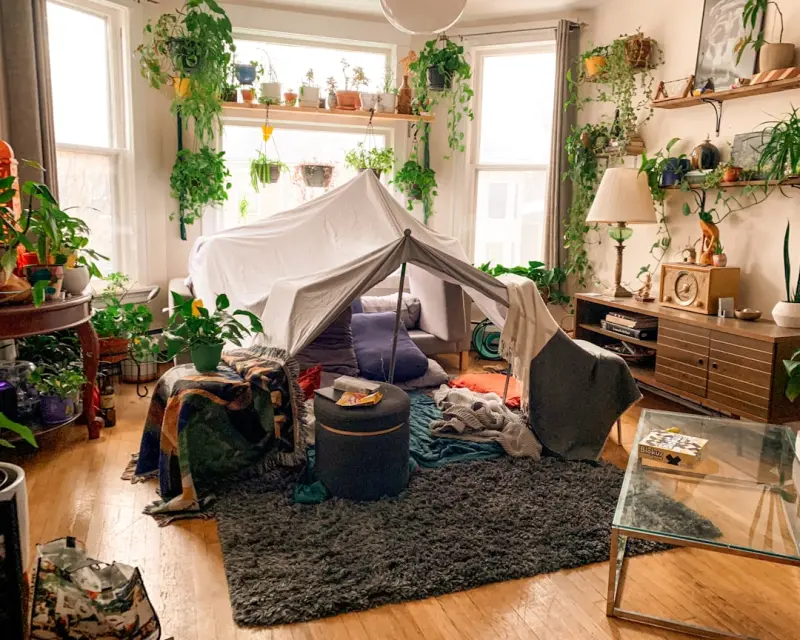
Why Tiny Comfort Zones Matter More Than You Think
Ever walked into a room and felt an instant sense of calm, even if the space is modest? That’s the magic of a micro‑comfort zone – a deliberately crafted pocket of serenity that invites you to pause, breathe, and reset. In our hyper‑connected lives, we often underestimate the power of small, intentional corners. Yet research in environmental psychology tells us that even a five‑minute retreat in a well‑designed nook can lower cortisol, sharpen focus, and improve overall mood.
Mapping Your Home for Micro‑Comfort
Before you start moving furniture or buying décor, take a quick walkthrough of your home and ask yourself three questions:
- What activities recharge me? (Reading, sipping tea, stretching, meditating?)
- Which spots already feel naturally soothing? (Near a window, under a skylight, beside a bookshelf?)
- What constraints exist? (Space, lighting, traffic flow?)
Jot down each answer next to the room name. You’ll soon see patterns emerge – perhaps the kitchen island gets a lot of foot traffic, while the hallway receives a stray ray of sunlight each afternoon. Those are clues for where to embed your micro‑comfort zones.
Design Principles for Pocket‑Sized Retreats
Creating a micro‑comfort zone doesn’t require a full‑blown renovation. Follow these five design principles, and you’ll have a functional sanctuary in any corner.
1. Anchor with a Sensory Trigger
Choose one dominant sense to guide the space: a textured throw, a scented candle, a soft rug, or a gentle soundscape. Consistency is key – the trigger becomes a mental cue that says, “It’s time to unwind.”
2. Keep It Minimal, Keep It Intentional
Less is more. A single chair, a small side table, and a purposeful object (like a journal) are enough. Over‑stuffing dilutes the calming effect and makes the zone feel cluttered.
3. Optimize Light Naturally
If possible, position the nook near a source of natural light. Daylight regulates circadian rhythms, boosting alertness during the day and encouraging relaxation in the evening. If natural light isn’t an option, a warm‑toned lamp with a dimmer works wonders.
4. Introduce Subtle Movement
Gentle movement—whether a slow‑turning fan, a small tabletop water feature, or a curated playlist of soft ambient tones—adds a layer of tranquility without demanding attention. For inspiration on sound, explore ambient sound healing techniques that can be integrated discreetly.
5. Make Maintenance Easy
Choose materials that are easy to clean and maintain. A washable cushion cover, a dust‑resistant lamp shade, and a simple cleaning schedule keep the space inviting without becoming a chore.
Room‑by‑Room Micro‑Comfort Ideas
Below are practical, budget‑friendly suggestions for each major area of the house. Feel free to mix, match, and adapt based on your personal preferences.
Living Room: The “Sip & Scan” Corner
- Seat: A comfortable armchair or a low‑profile pouf.
- Surface: A narrow side table that holds a mug, a book, and a small plant.
- Trigger: A scented candle with notes of cedar or vanilla.
- Tech: A Bluetooth speaker set to a curated ambient playlist.
Kitchen: The “Flavor Pause” Nook
- Seat: A high‑back stool tucked under a counter.
- Surface: A decorative tray for a tea infuser and a small fruit bowl.
- Trigger: A citrus‑scented diffuser that subtly awakens the senses.
- Tip: Keep a “quick‑mindful‑break” journal nearby to jot down a single gratitude note each day.
Home Office: The “Focus Micro‑Den”
- Seat: A ergonomic swivel chair positioned slightly away from the main desk.
- Surface: A slim table that holds a single notebook, a pen, and a small desk lamp.
- Trigger: A tactile desk pad made of natural cork.
- Tech: Pair the zone with a air‑purifying plant like a snake plant to improve air quality while you concentrate.
Bedroom: The “Dream Drift” Alcove
- Seat: A plush floor cushion or a small chaise lounge.
- Surface: A low table for a lavender sachet, a soft‑cover book, and a dimmable lamp.
- Trigger: A weighted eye pillow to gently press the eyes and signal relaxation.
- Tip: Keep the zone free of electronic devices; let it be a true screen‑free sanctuary.
Bathroom: The “Refresh Retreat”
- Seat: A compact, water‑resistant stool.
- Surface: A bamboo tray for a scented bar soap and a small glass of warm water.
- Trigger: A tiny essential‑oil diffuser (eucalyptus or peppermint).
- Tip: Use a smart storage trick to tuck away toiletries, preserving the visual calm.
Integrating Technology Without Disruption
Technology can amplify the comfort of these micro‑zones, but the goal is subtlety. Here are three low‑key tech tools that blend seamlessly:
- Smart Plug Schedules: Automate a lamp or diffuser to turn on at specific times, ensuring the zone is always ready when you need it.
- Ambient Noise Generators: Devices like white‑noise machines or apps that play rain sounds can be set to a low volume, creating a soothing backdrop without overt attention.
- Energy‑Monitoring Power Strips: Keep track of the tiny devices you use in each nook, helping you stay energy‑conscious while enjoying your comfort zone.
Maintaining the Micro‑Comfort Mindset
The real challenge isn’t creating the space—it’s using it consistently. Here are three habits to embed the micro‑comfort mindset into daily life:
- Set a Cue: Pair the zone with an existing habit (e.g., after brushing teeth, sit in the bathroom nook for two minutes of breathing).
- Time‑Box It: Allocate a specific duration—five to ten minutes—to avoid over‑indulgence that can disrupt productivity.
- Reflect Weekly: Keep a simple log of how often you visited each zone and note any shifts in mood or focus. Adjust elements (lighting, scent, sound) based on feedback.
Budget‑Friendly Hacks for Instant Impact
Not everyone wants to splurge on designer furniture. Below are ten cost‑effective tweaks that instantly elevate any micro‑comfort zone:
- Use repurposed jars as candle holders.
- Swap a regular lamp shade for a fabric‑covered one to soften light.
- Place a rolled towel under a cushion for extra plushness.
- DIY a herb sachet with dried lavender for aroma.
- Hang a small fabric panel for acoustic dampening.
- Install adhesive LED strips for subtle backlighting.
- Use a trivet as a mini‑table for mugs and books.
- Gather found objects like vintage keys or stones for visual interest.
- Apply temporary wallpaper to a single wall section for a pop of pattern.
- Rotate seasonal décor to keep the space feeling fresh.
Measuring the Impact: Simple Metrics
If you love data, treat your micro‑comfort zones like a personal experiment. Track these three simple metrics for a month:
| Metric | How to Measure |
|---|---|
| Frequency of Use | Count visits per day in a notebook or phone note. |
| Mood Shift | Rate your mood on a 1‑5 scale before and after each visit. |
| Productivity Boost | Log any noticeable increase in focus or task completion after a break in the zone. |
When you see positive trends, you’ll have concrete proof that these small sanctuaries are more than decorative—they’re performance enhancers.
Future‑Proofing Your Comfort Zones
Homes evolve, and so should your micro‑comfort zones. As you acquire new furniture or redesign spaces, revisit each nook and ask:
- Does the lighting still feel right?
- Is the scent still appealing, or has it become overwhelming?
- Can the technology be upgraded for better energy efficiency?
By treating each zone as a living element, you ensure it continues to serve your wellbeing for years to come.
Take the First Step Today
Pick a single room, identify a corner, and apply the five design principles. Within minutes you’ll have a pocket of peace ready to welcome you after a hectic day. Remember, the goal isn’t perfection—it’s presence. Let these micro‑comfort zones become the gentle anchors that keep you grounded, energized, and ready to thrive in every aspect of life.

Melanie Wilson, Freelance writer with a flare for everything. I am passionate about topics I write crafting stories and compelling content that connect with audiences. Journeying through the realms of creativity as a freelance creator. #WriterLife #ContentCreator
Related Posts
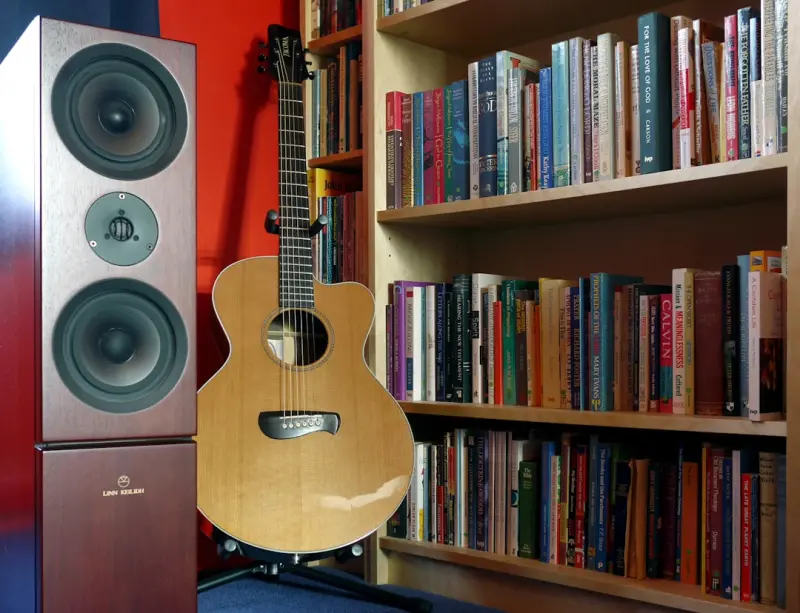
Quiet Corners: Simple Acoustic Fixes for a Calmer Home
A practical guide to making your home quieter: from adding rugs and curtains to DIY acoustic panels ... Read More
Hidden Storage Hacks for Modern Living Spaces
Learn practical, under‑the‑radar storage ideas—from vertical wall solutions to hidden nooks an... Read More

Revamp Your Entryway: Small Changes for Big Home Flow
Discover how to turn a chaotic entryway into a functional, calming hub with practical storage ideas,... Read More
Top Posts

The Healing Power of Forest Bathing: A Modern Guide to Natural Wellness
Forest bathing, the Japanese practice of mindful immersion in nature, offers measurable stress reduction, immune support, and creative boosts. This guide explai...Read More

Travel as a Language Lab: One Phrase a Day to Unlock Hidden Worlds
Learn the power of a single daily phrase to turn ordinary trips into immersive cultural adventures, unlocking hidden gems and deeper connections....Read More
Why Small Spaces Deserve Big Attention
Ever walked into a room and felt that subtle, almost invisible tug? It’s the same feeling you get when a favorite song pops on the radio at just the right mom...Read More
Reimagining the Bathroom: A Zero‑Waste Personal Care Blueprint
A step‑by‑step guide shows how to turn your bathroom into a zero‑waste sanctuary, covering refillable systems, upcycled storage, sustainable products, and...Read More
0 Comments
Post Comment
You will need to Login or Register to comment on this post!